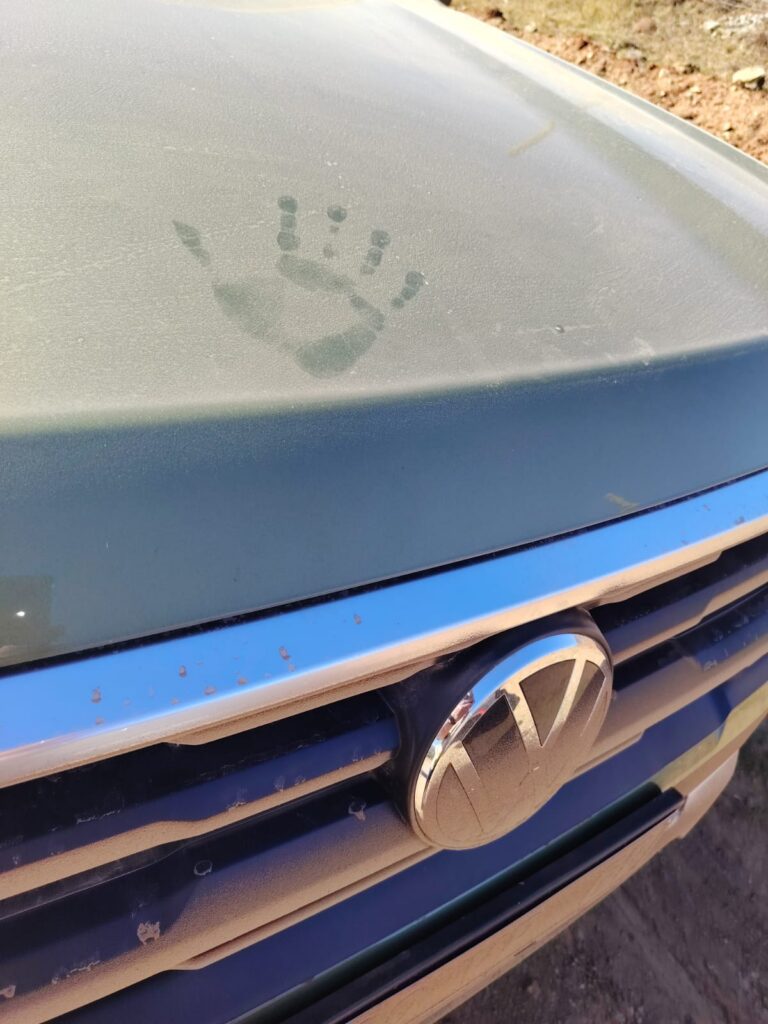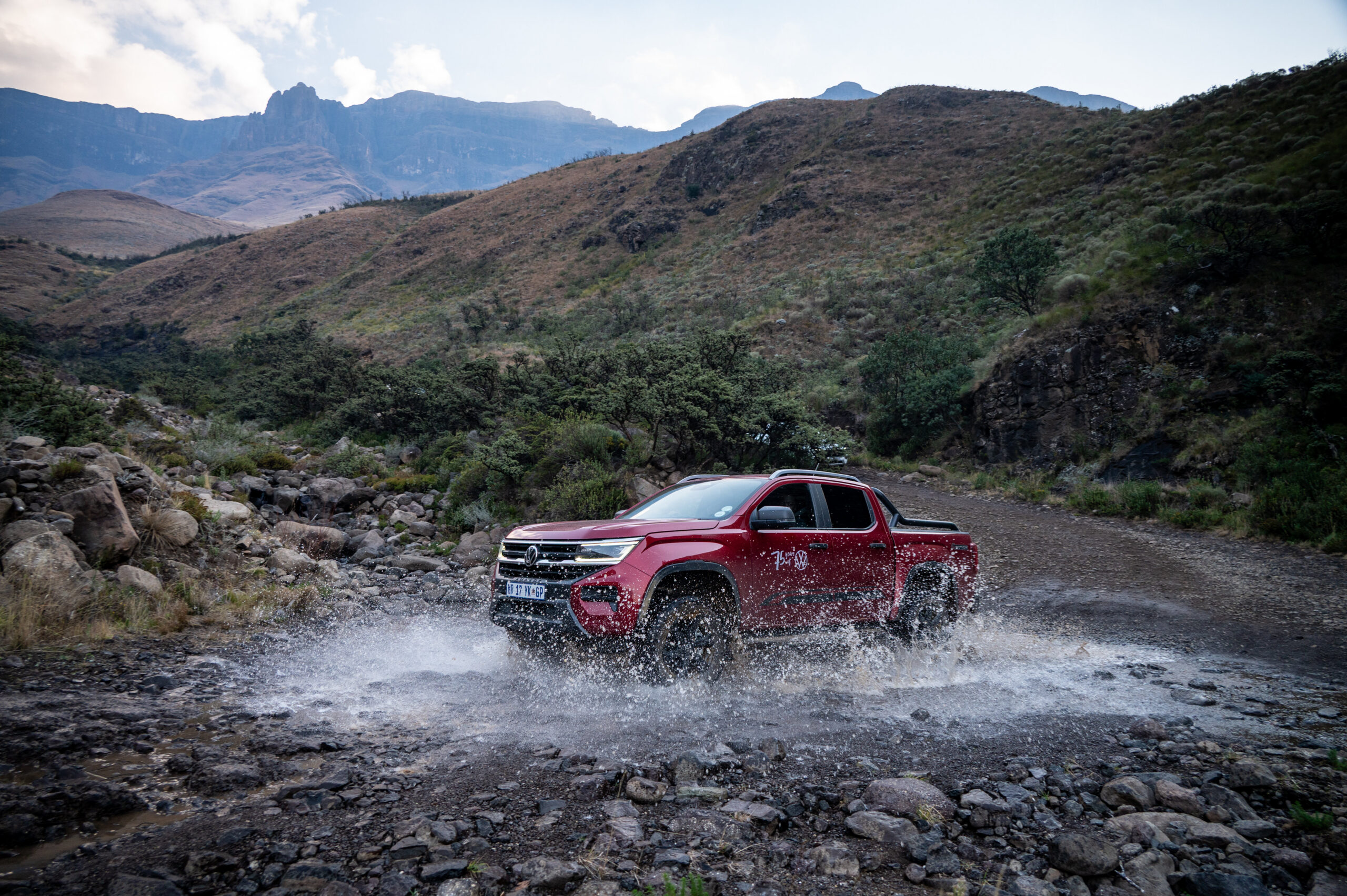
Five days. Three Amaroks. Two iconic mountain passes. One missed flight. Looking back, it sounds like the opening line of a joke. Instead, it became one of the most memorable journeys I’ve experienced in years. Volkswagen South Africa’s Amarok Adventure took us from the green hills of the KwaZulu-Natal Midlands to the snow-covered heights of Lesotho and deep into the Eastern Cape highlands. Along the way there were mountain passes, gravel roads, spectacular scenery, plenty of laughter and enough unexpected moments to remind us that the best adventures rarely go exactly according to plan.
After 34 years as a motoring journalist, I have driven thousands of kilometres on roads across Southern Africa. I’ve crossed deserts, explored remote corners of the continent and tackled more gravel roads than I care to count. Yet somehow, a few iconic destinations had always managed to evade me.
Until now. Volkswagen South Africa’s Amarok Adventure would finally take me up Sani Pass, across Naude’s Nek and through towns such as Rhodes and Barkly East. Throw in snow, freezing temperatures, spectacular scenery, plenty of gravel roads and three very different Amarok models, and the result was an adventure that delivered far more than I expected.
The five-day journey started in Durban, where a group of motoring journalists gathered before heading into the KwaZulu-Natal Midlands for our first overnight stop at Fordoun Hotel & Spa. At first glance, the route looked straightforward enough. In reality, it would become one of the most memorable media drives I’ve experienced in years.

Three Amaroks, one mission
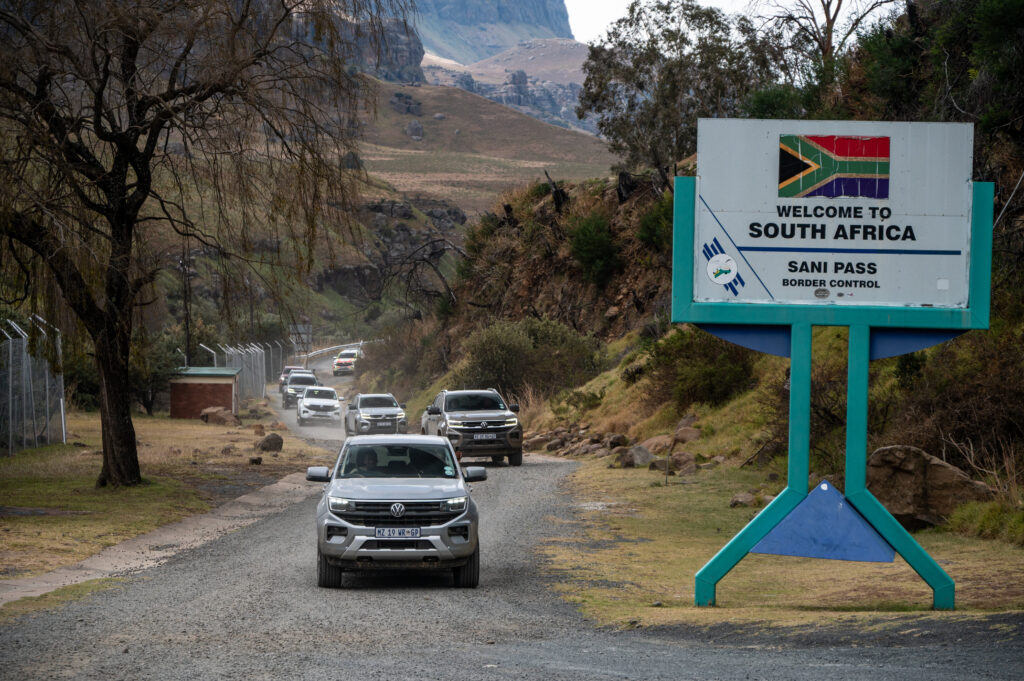
Volkswagen supplied three Amarok derivatives for the journey, with participants rotating between vehicles throughout the trip. Our convoy consisted of the Amarok Life 2.0 TDI, the Amarok PanAmericana V6 TDI and the range-topping PanAmericana 2.3 TSI petrol.
My driving partners and I started the trip with limited Amarok experience. While I had driven it before before, I had never spent enough time behind the wheel to form a meaningful opinion. Five days later, that had changed considerably.
The entry-level Amarok Life is powered by a 2.0-litre four-cylinder turbodiesel producing 125kW and 405Nm, coupled to Volkswagen’s slick 10-speed automatic transmission. On paper, it might appear overshadowed by its more powerful siblings, but over the first two days of the trip it proved itself more than capable of handling everything thrown at it.
The PanAmericana V6 employs a 3.0-litre turbodiesel producing 184kW and a substantial 600Nm of torque. It is arguably the sweet spot in the range, offering effortless performance and relaxed cruising characteristics that make long-distance touring almost embarrassingly easy.
Then there is the 2.3-litre turbo-petrol PanAmericana. Producing 222kW, it is the powerhouse of the family and brings a different personality to the Amarok range. While diesel remains the default choice for many South African bakkie buyers, this engine offers performance that few would find lacking.
All three models share Volkswagen’s 10-speed automatic transmission and a cabin that feels more premium SUV than traditional double-cab bakkie.
Into the mountains
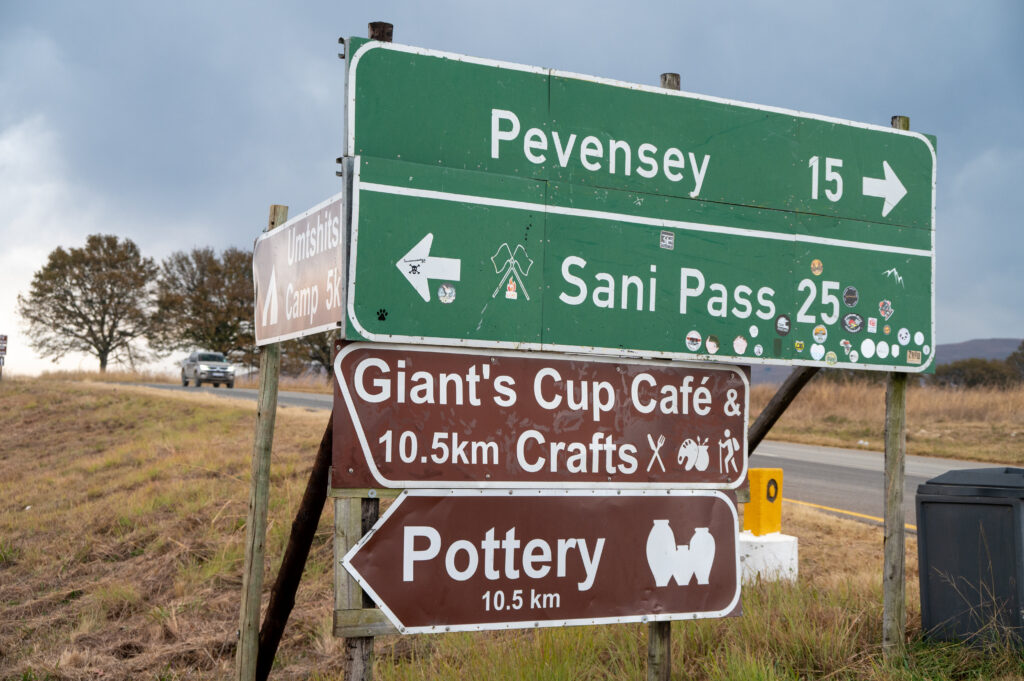
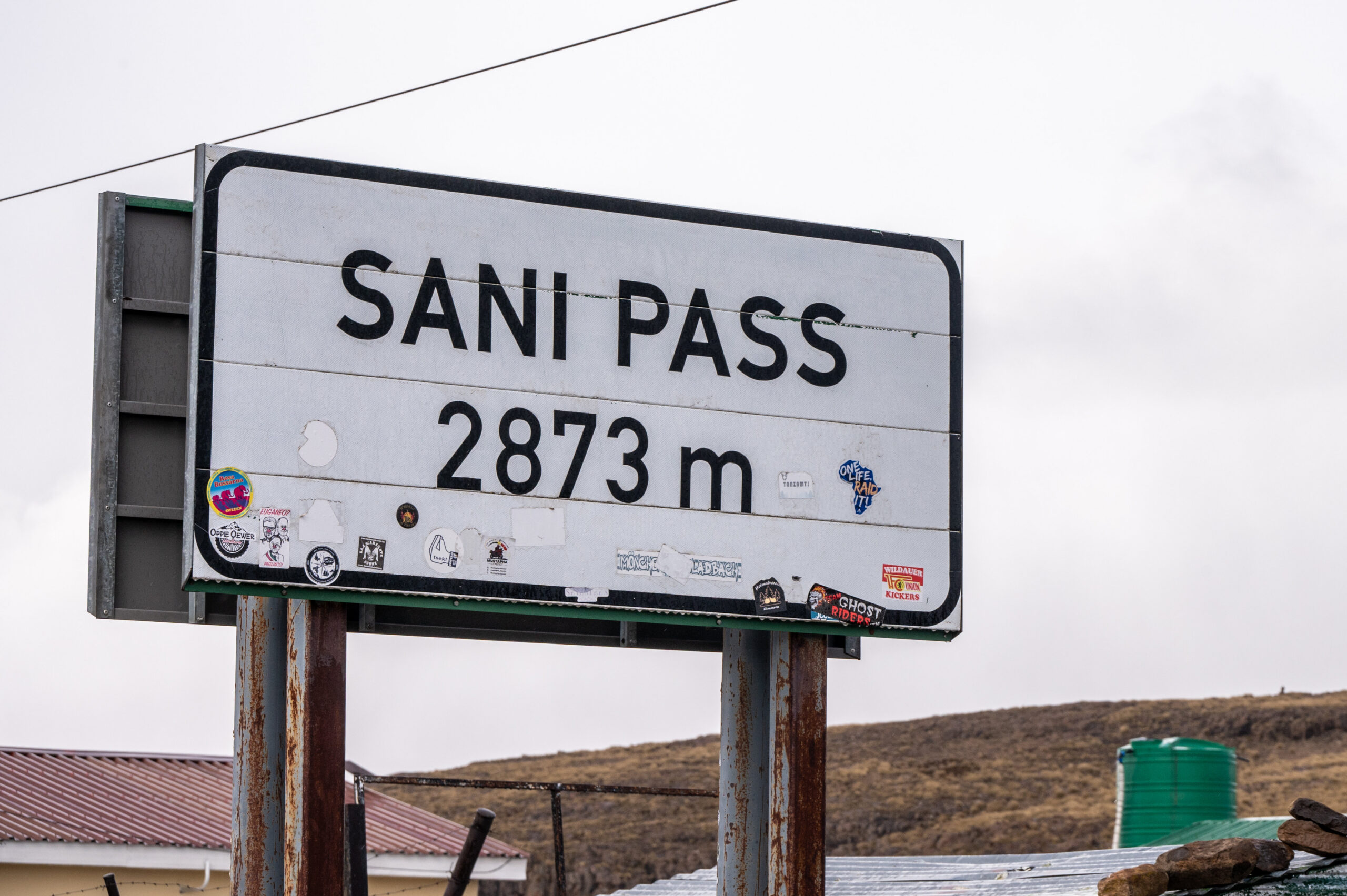
The following morning, we left the Midlands behind and headed for the Lesotho border. For years, Sani Pass had been one of those destinations I had read about, written about and admired from afar. Yet I had never actually driven it. That changed on day two.
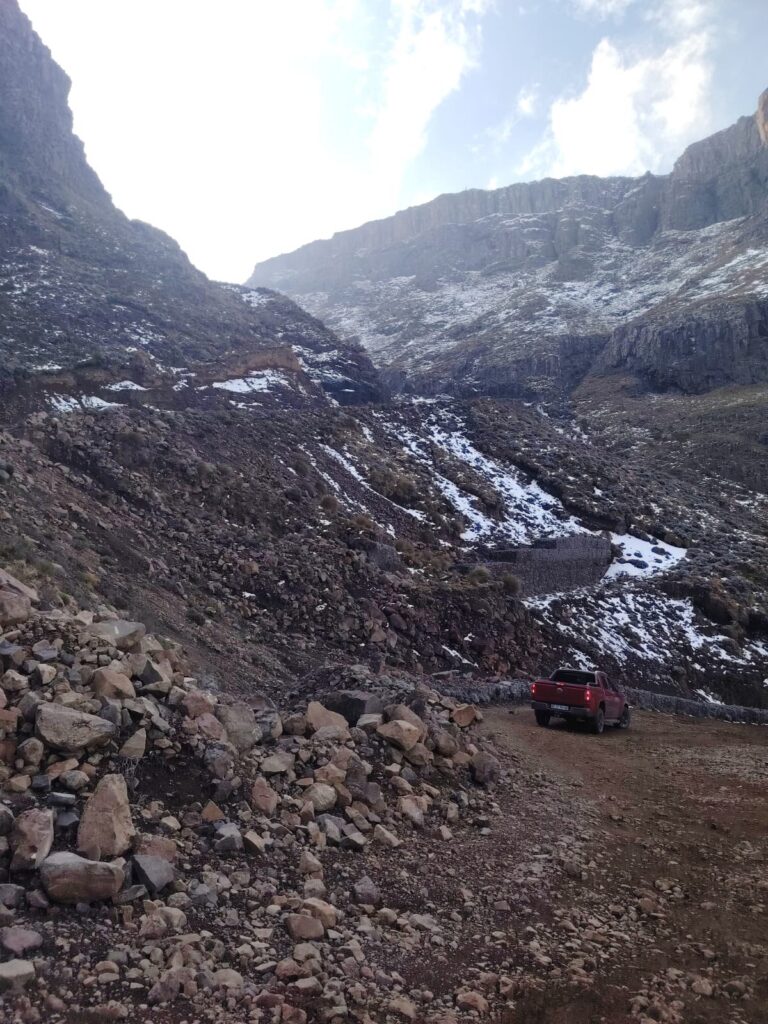
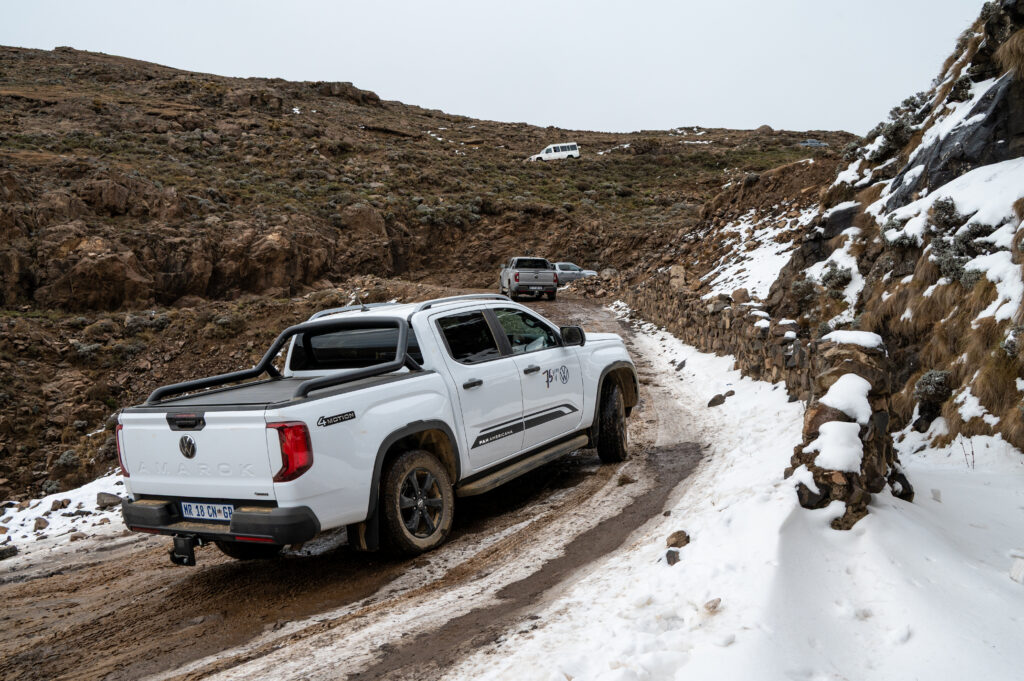
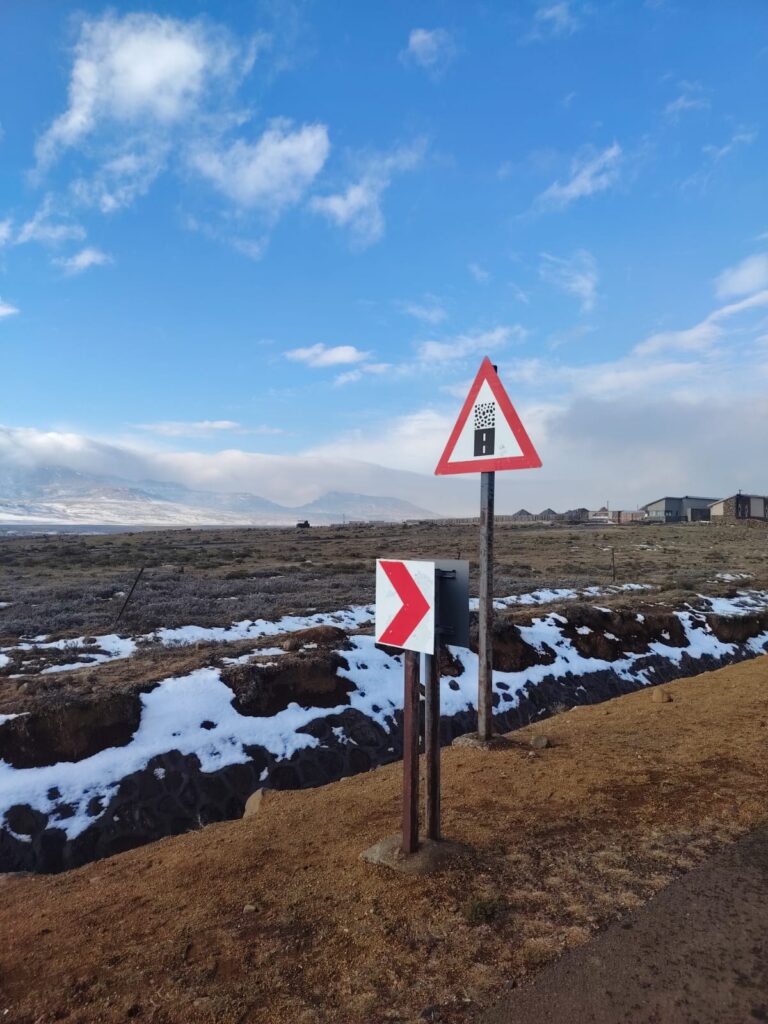
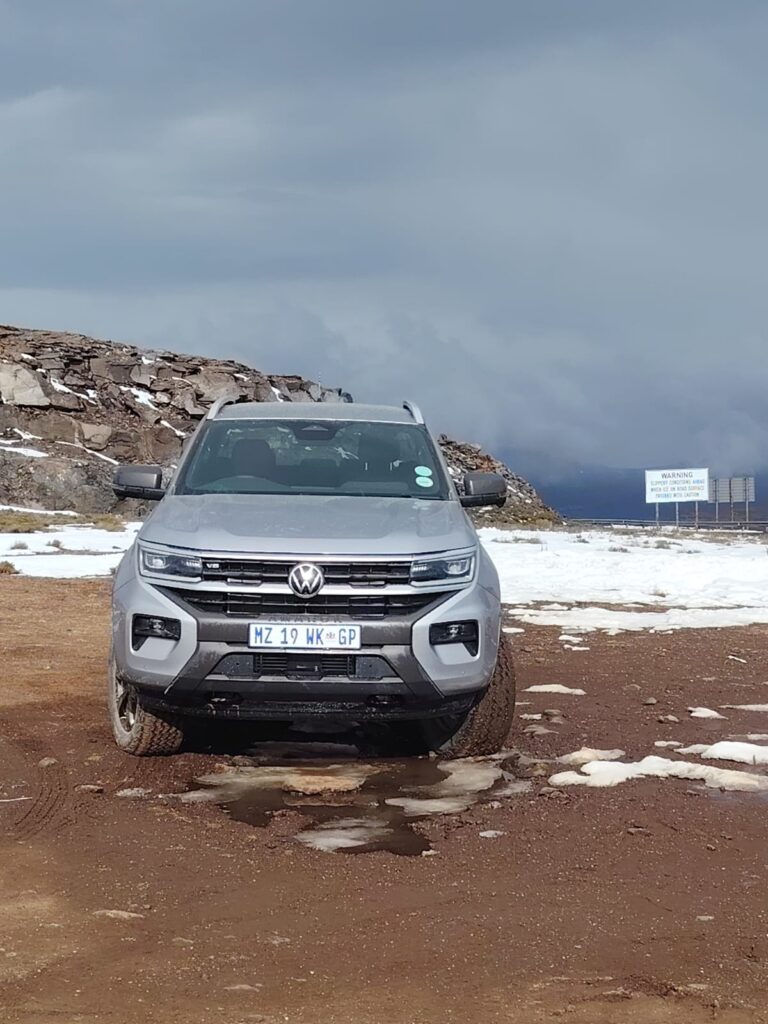
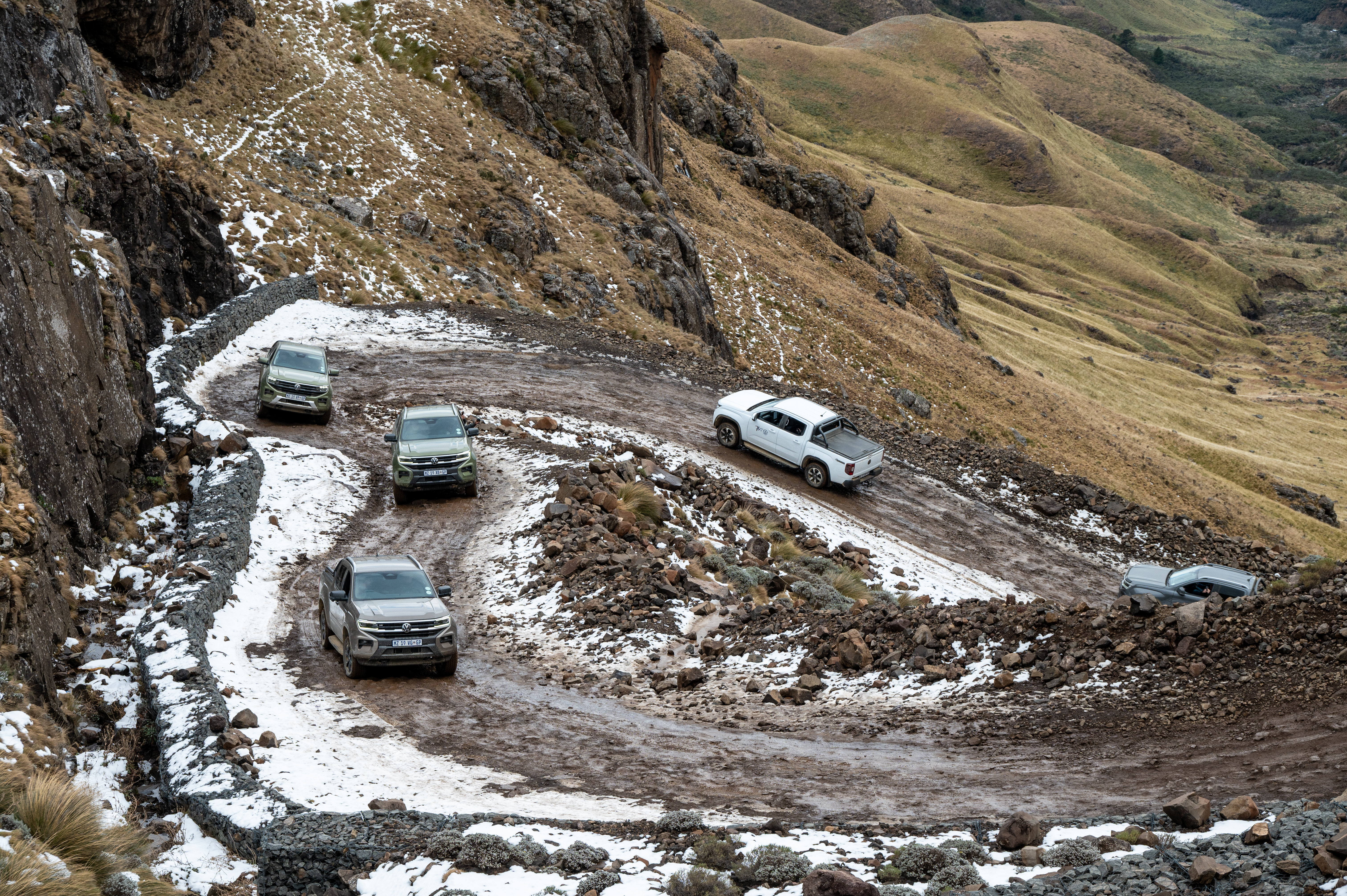
As we climbed higher into the mountains, patches of snow began appearing alongside the road. The higher we climbed, the deeper it became. The Amarok Life tackled the climb with complete confidence. The steep gradients and loose surfaces never appeared to trouble the drivetrain, while the 10-speed automatic continuously found the right ratio without fuss or drama.
More impressive was the overall refinement. Despite the rugged surroundings, the Amarok never felt strained or unsettled. At the summit, professionalism quickly gave way to excitement as the snow started falling. There is something magical about seeing snow in Southern Africa, particularly when you are experiencing it from behind the wheel of a vehicle specifically designed to venture beyond the beaten track.
After lunch at Masoba-Soba Lodge, we continued to Black Mountain, where the views stretched seemingly forever across the highlands. The sight of fresh snow transformed a convoy of seasoned journalists into a group of overgrown children. Cameras emerged from every pocket. Snowballs flew. Laughter echoed across the mountains. It was impossible not to get caught up in the moment.
Eventually, we descended once again and returned to South Africa, spending the night at Premier Resort Sani Pass. The V6 doesn’t necessarily encourage you to drive faster. Instead, it simply makes everything feel easier.
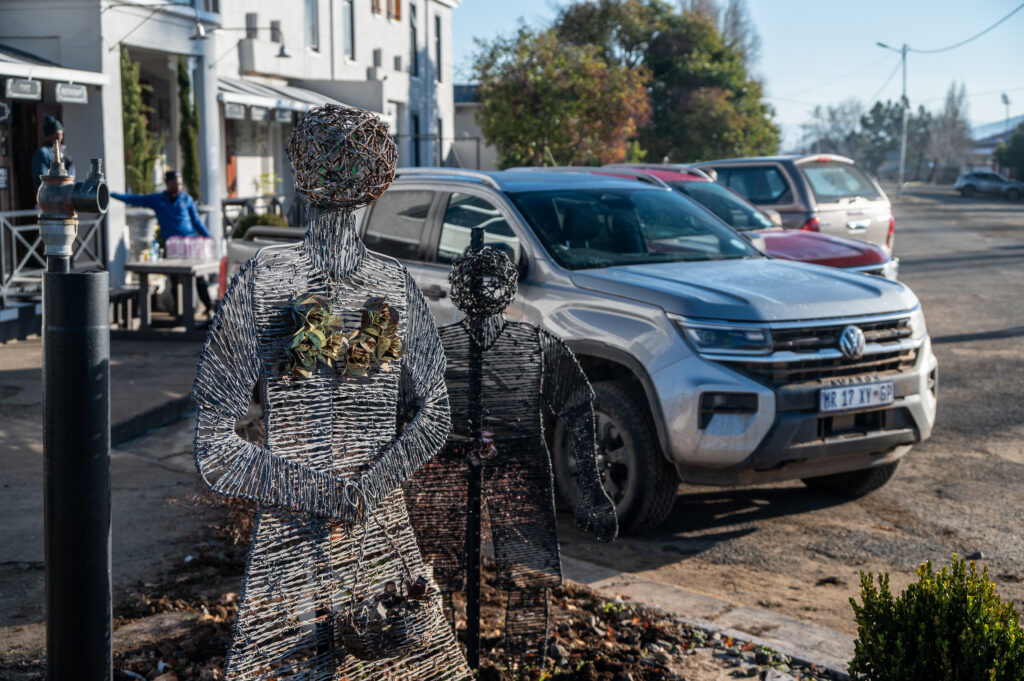
The route eventually brought us to Rhodes, another first for me. Like many South Africans, I had heard stories about this tiny Eastern Cape village for years. Arriving there at last felt strangely familiar and entirely new at the same time. Nestled amongst mountains and surrounded by endless scenery, Rhodes feels wonderfully disconnected from the pace of modern life.
A quick coffee stop soon turned into an extended opportunity to absorb the atmosphere. Eventually, the convoy rolled on towards Barkly East.
More than just a driver’s vehicle
What made the Amarok Adventure unique was the opportunity to experience the vehicle from every seat in the cabin. With three occupants per vehicle, we rotated regularly. I spent time driving. I spent time in the front passenger seat. I also spent plenty of time in the rear.
That last point is particularly important. Double-cab bakkies have traditionally prioritised front-seat occupants. Rear-seat comfort has often been something of an afterthought. Not here. The Amarok’s rear accommodation proved impressively comfortable throughout the trip.
In fact, one of the greatest compliments I can pay the vehicle is that I managed to fall asleep more than once while travelling in the back. Some may call it exhaustion. I prefer to call it a testament to the Amarok’s ride quality. Whether cruising on tar, traversing gravel roads or negotiating mountain passes, the vehicle remained composed and comfortable.
Winter roads and warm hospitality
One of the joys of a journey like this is that the memories extend far beyond the driving itself. There were hearty lunches and excellent dinners. There was enough daily padkos to feed a small expedition. There were conversations around dinner tables and stories shared between destinations. At the historic Drostdy Hotel in Graaff-Reinet, we joined fellow guests to watch Bafana Bafana’s match in the hotel bar.
Simple moments, perhaps. Yet these are often the experiences that remain long after vehicle specifications have been forgotten.
When plans change
The final day delivered an important reminder that adventure rarely sticks to the itinerary. By now we had moved into the 222kW PanAmericana petrol model for the final leg towards Gqeberha. The plan was straightforward. The reality was anything but.
Two overturned trucks blocked our intended route, forcing us to turn around and seek an alternative. The diversion led us onto a lengthy gravel road via Waterford before eventually reconnecting with the N2.
To describe the road surface as poor would be generous. Corrugations, washaways and rough sections combined to create conditions that would quickly expose weaknesses in any vehicle.
At the same time, the pressure was mounting. We had flights to catch. Suddenly the pace increased. Yet even under these circumstances, the Amarok remained composed. The petrol-powered PanAmericana delivered strong performance when needed, while the suspension absorbed punishment without complaint.
Ironically, this unexpected detour may have been the most realistic test of the entire trip. Not the snow. Not Sani Pass. Not Naude’s Nek. But a badly deteriorated gravel road tackled under genuine time pressure.
Unfortunately, despite our best efforts, the detour ultimately cost us our flight. Strangely enough, nobody seemed particularly upset. After five days of mountain passes, spectacular scenery and shared experiences, it simply felt like one more story to add to the collection.
The road less travelled
Looking back, the Amarok Adventure was about far more than three vehicles. It was about discovering places I should probably have visited years ago. It was about seeing snow on Sani Pass. It was about standing on Black Mountain and staring across the Lesotho highlands. It was about finally experiencing Rhodes and Naude’s Nek. It was about friendships, laughter, padkos and the occasional snowball.
And yes, it was also about discovering just how capable the Amarok has become. Whether in Life, V6 or petrol PanAmericana guise, the Amarok consistently impressed with its balance of comfort, refinement and genuine off-road ability.
But perhaps the greatest lesson from the trip was this: No matter how many kilometres you’ve travelled, there are always new roads waiting to be explored. Sometimes all you need is the right vehicle to take you there.