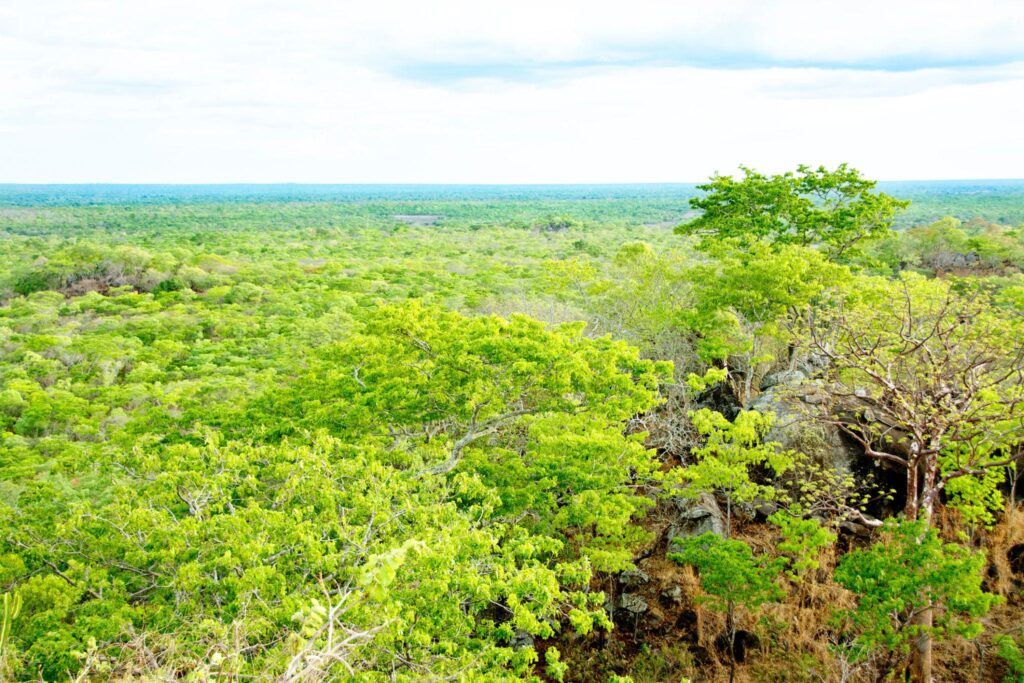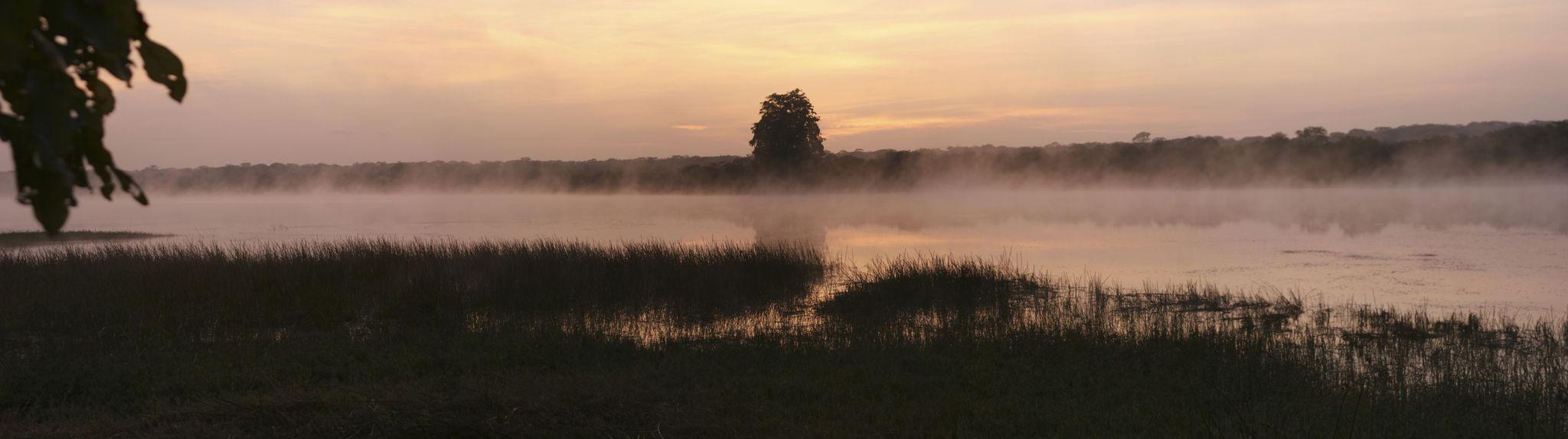
Stretching across the central plateau of Malawi, along the border with Zambia, Kasungu National Park is one of the country’s largest and oldest protected areas. Established in 1970, it covers roughly 2,300 square kilometres of rolling miombo woodland, open grassland, and river systems that quietly sustain a growing wildlife population.
Kasungu doesn’t chase attention-and that’s exactly its appeal. Far from the busy circuits of East and Southern Africa, this park offers a slower, more introspective safari experience. You won’t find convoys of vehicles here; instead, expect long stretches of silence broken only by birdsong or the distant crack of a branch under an elephant’s weight.
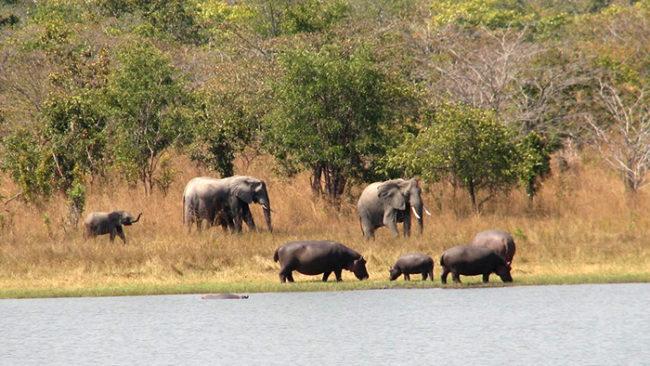
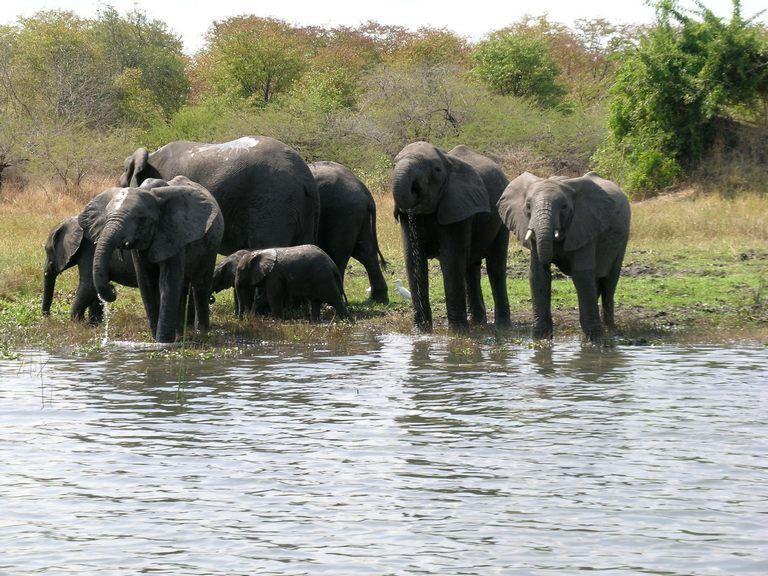
Years of conservation effort-particularly through partnerships with organizations like African Parks-have begun restoring Kasungu’s ecosystems. Elephant populations are stabilising, and species such as buffalo, sable antelope, kudu, and even elusive predators are becoming more visible again.
For overlanders and travellers seeking something unpolished and authentic, Kasungu offers a compelling middle ground: remote enough to feel wild, yet more accessible than some of the continent’s truly extreme frontiers.

Frequently Asked Questions (FAQ)
1. Where is Kasungu National Park located?
The park lies in central Malawi, west of the town of Kasungu, bordering Zambia.
2. What is the best time to visit?
The dry season (May-October) is ideal. Roads are easier to navigate, and wildlife congregates around rivers and waterholes.
3. What are the park entry fees for 2026?
Fees are relatively affordable:
- International visitors: ~USD 10-15 (±R180-R280) per person per day
- Vehicle fees and camping fees are additional
4. Can I self-drive in Kasungu?
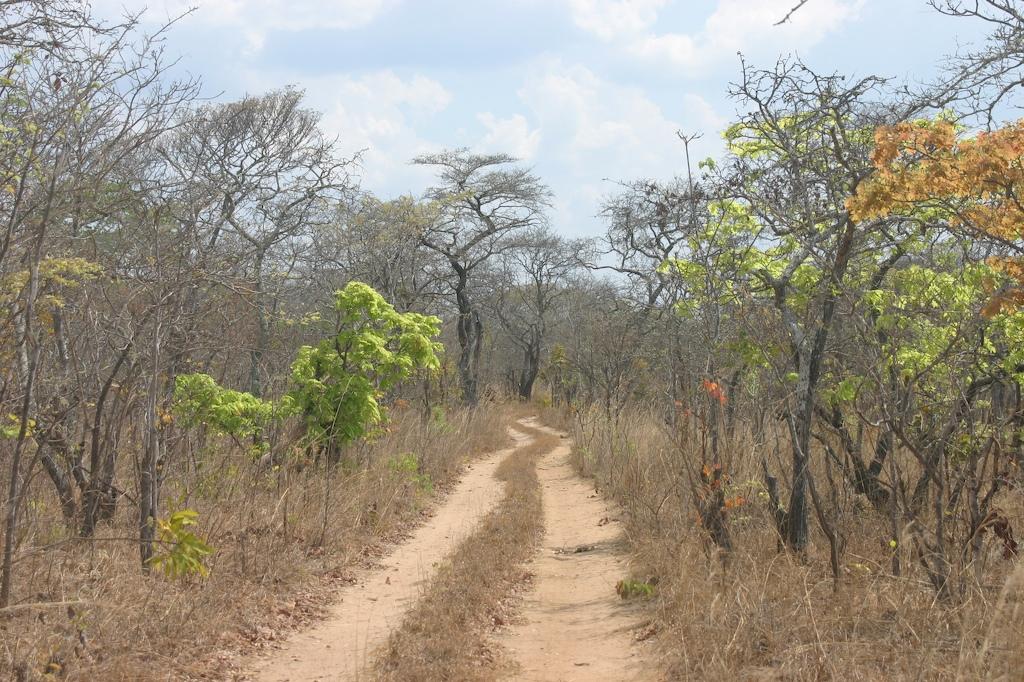
Yes. A high-clearance vehicle is recommended, especially in the wet season, but it’s generally more accessible than extreme overland destinations.
5. What wildlife can I expect to see?
Elephant, buffalo, sable antelope, kudu, impala, warthog, and a variety of birdlife. Predator sightings (lion, leopard) are possible but rare.
6. Are there lodges inside the park?
Facilities are limited. Basic lodges and campsites exist, but most travellers opt for simple bush camping.
7. Is Kasungu a malaria area?
Yes. Malaria precautions are strongly advised.
8. What are the road conditions like?
Main tracks are manageable in dry conditions. Secondary routes can become muddy and difficult after rains.
9. Can beginners visit the park?
Yes-Kasungu is a good introduction to remote African parks, provided you prepare properly.
10. What should I pack?
Fuel, water, food supplies, camping gear, basic recovery equipment, offline maps, and medical supplies.
Accommodation & Contact Details
| Accommodation Type | Example Provider | Estimated Price (2026) | Contact Info |
| Bush Camping | Kasungu Campsites | ~USD 15-30 (±R280-R550) per night | dnpw.gov.mw |
| Lodge | Lifupa Lodge (near main gate) | ~USD 50-120 (±R900-R2,200) | lifupalodge.com |
| Guided Safari | African Parks (Kasungu Project) | Varies | africanparks.org |