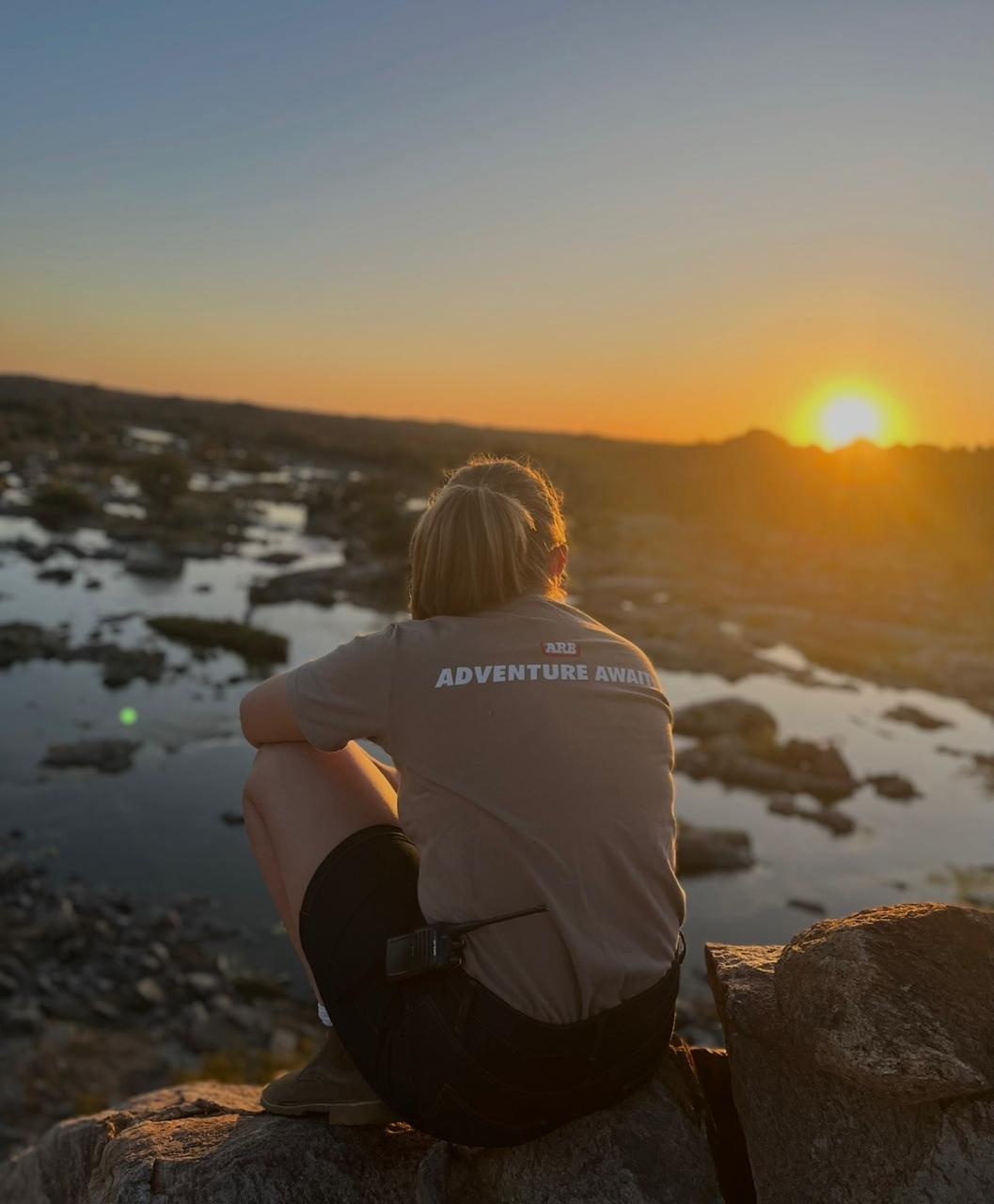
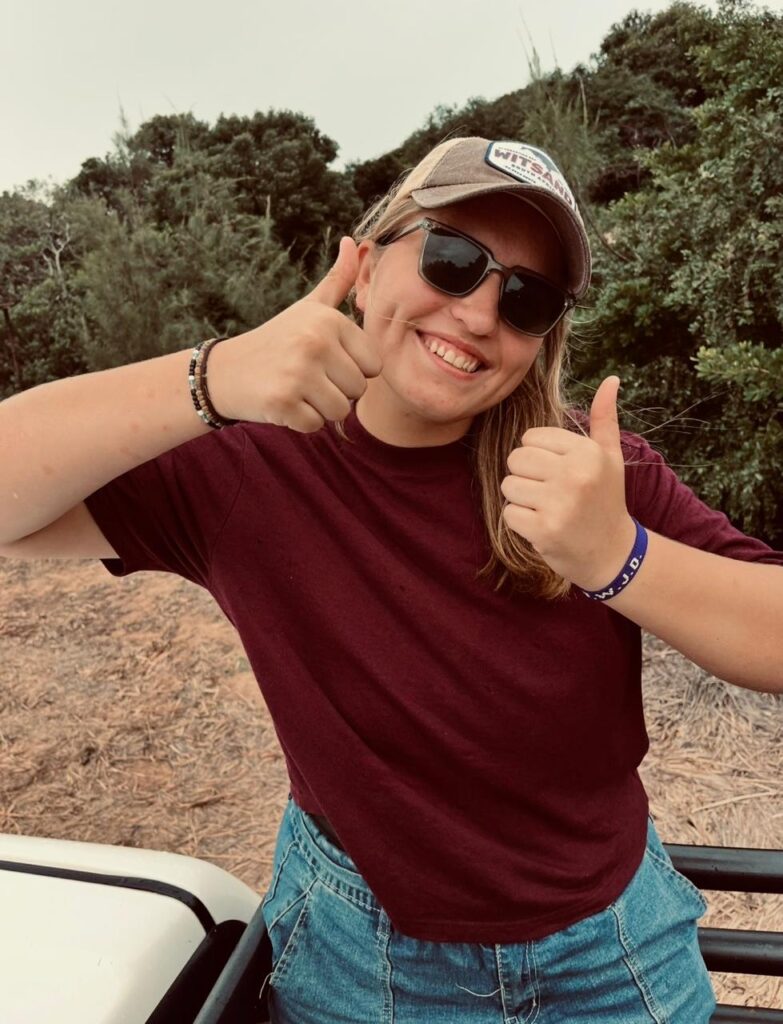
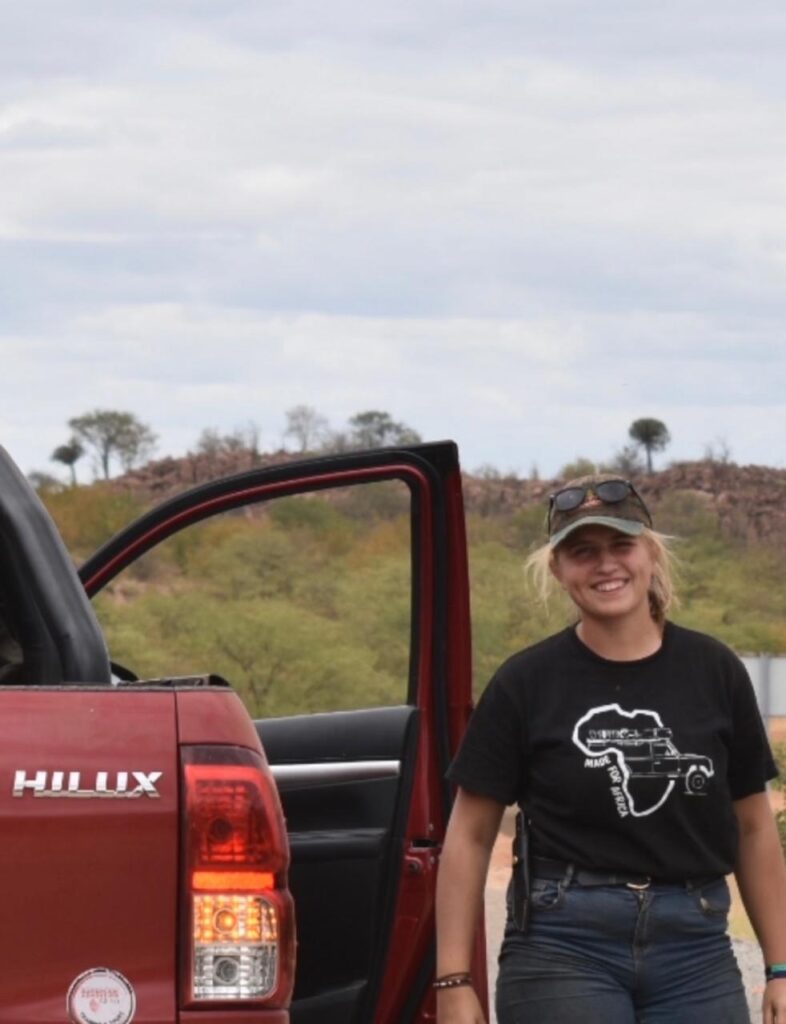
Marli Willemse is Adventure Afrika’s newest team member. At just 19, she is discovering overlanding from behind the wheel rather than from the comment section, offering a fresh, first-hand perspective on what it really means to start young, start small and learn the fundamentals before the accessories.
There is a specific kind of magic that happens when the tar road ends and the gravel begins. For a 19-year-old standing at the threshold of adulthood, the appeal of overlanding isn’t just about the vehicle or the gear; it’s about the ultimate expression of freedom. In a world increasingly lived behind screens, the call of the wild – whether it’s the red dunes of the Kalahari or the rugged tracks of the Tuli Block – offers a grit and authenticity that nothing else can match.
Getting into overlanding and 4x4ing at such a young age is one of the best investments you can make in yourself. It teaches self-reliance, mechanical sympathy and a deep respect for the environment. That said, scrolling through social media feeds filled with heavily kitted rigs can be intimidating. The truth, however, is that you don’t need a six-figure budget to start. You just need the right mindset and a solid foundation.
Building that foundation is less about the accessories you bolt onto a vehicle and more about the fundamentals: safety, capability and knowledge. For a young adventurer, a “solid foundation” means ensuring that when things go wrong – because they eventually will – you have both the tools and the mindset to deal with it.

So, where do I start?
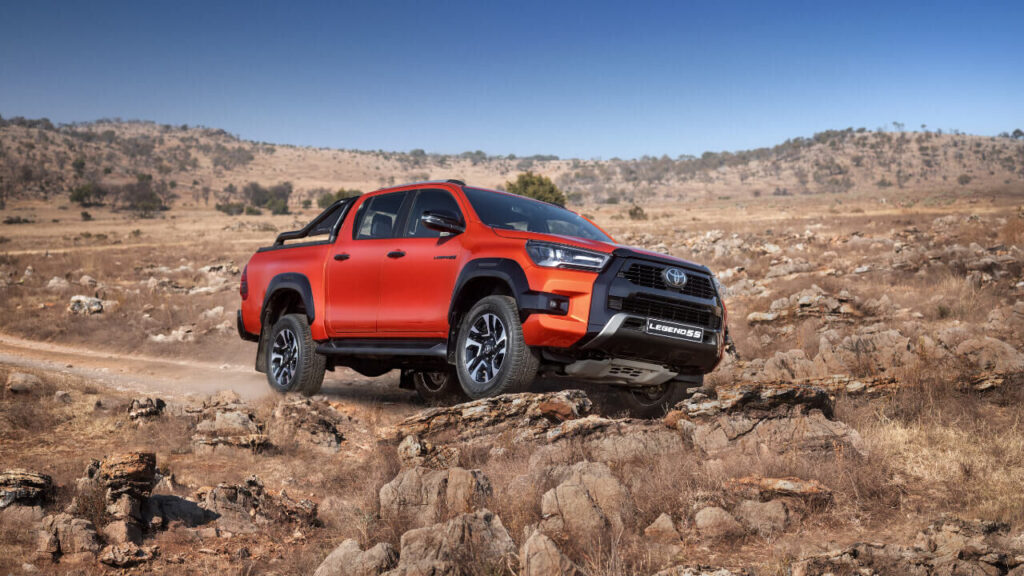
The vehicle is a good place to begin, which is also slightly terrifying, because at 19 your budget is likely your biggest concern. The good news is that you don’t need a brand-new double-cab Hilux or Ranger (even though I wish I could start there – have you seen the new Hilux 2.8?).
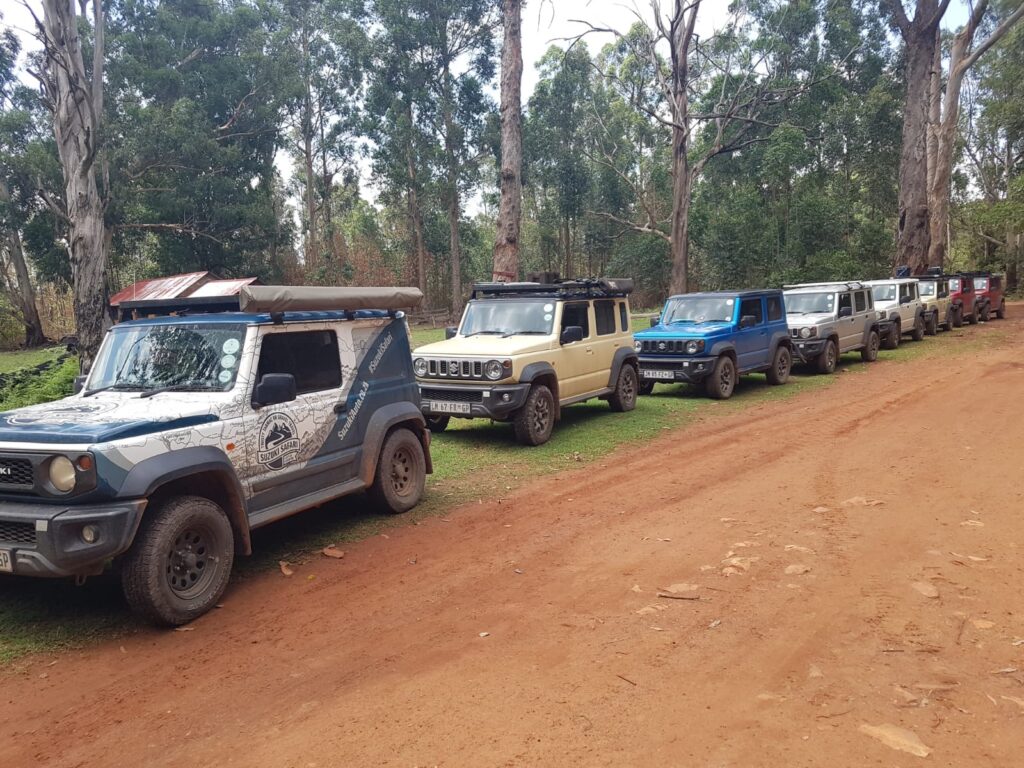
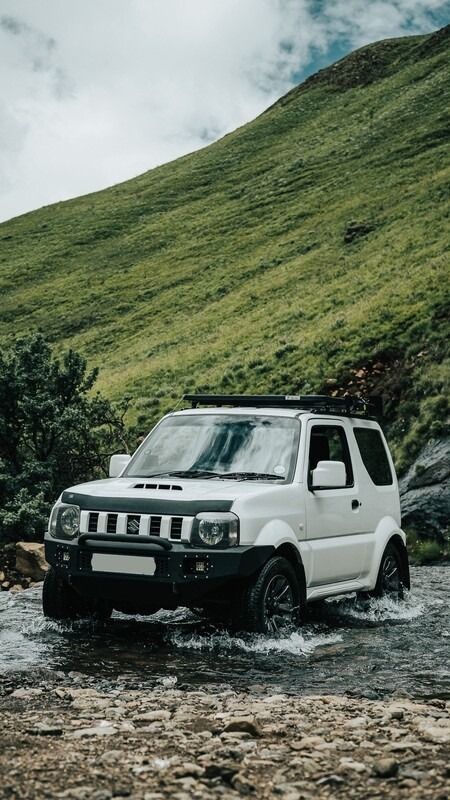
When choosing a vehicle for overlanding, it’s far more important to prioritise reliability over aesthetics. Look for a used, preferably Japanese, 4×4 with a solid service history. An older Toyota Hilux, an Isuzu KB, or – arguably the best option for a young, enthusiastic traveller – a Suzuki Jimny are all excellent entry points.
The Jimny, in particular, is a giant-killer off-road and very light on fuel, which is a major bonus for a young traveller – or any traveller, for that matter.
Know your vehicle before you trust it
Learning the basic mechanics of your vehicle is essential. Before heading into the bush, you need to understand what can break, why it breaks, and whether you can fix it yourself. Can you change a fuel filter? Do you know where the fuses are? Could you identify a loose hose or a damaged wire after a rough section of road?
Spend time under the bonnet. Learn where everything lives and why it matters. Understanding how your 4×4 works is the best “recovery gear” you can have.
Essential gear for the first-timer
It’s very tempting to buy every gadget in the outdoor shop, but “less is more” is one of the
golden rules of overlanding. Before buying a brand-new tent or fridge, check Facebook Marketplace and 4×4 community forums. Many seasoned overlanders upgrade perfectly good gear every few years, which means you can often find high-quality tents or recovery equipment for a fraction of the retail price.
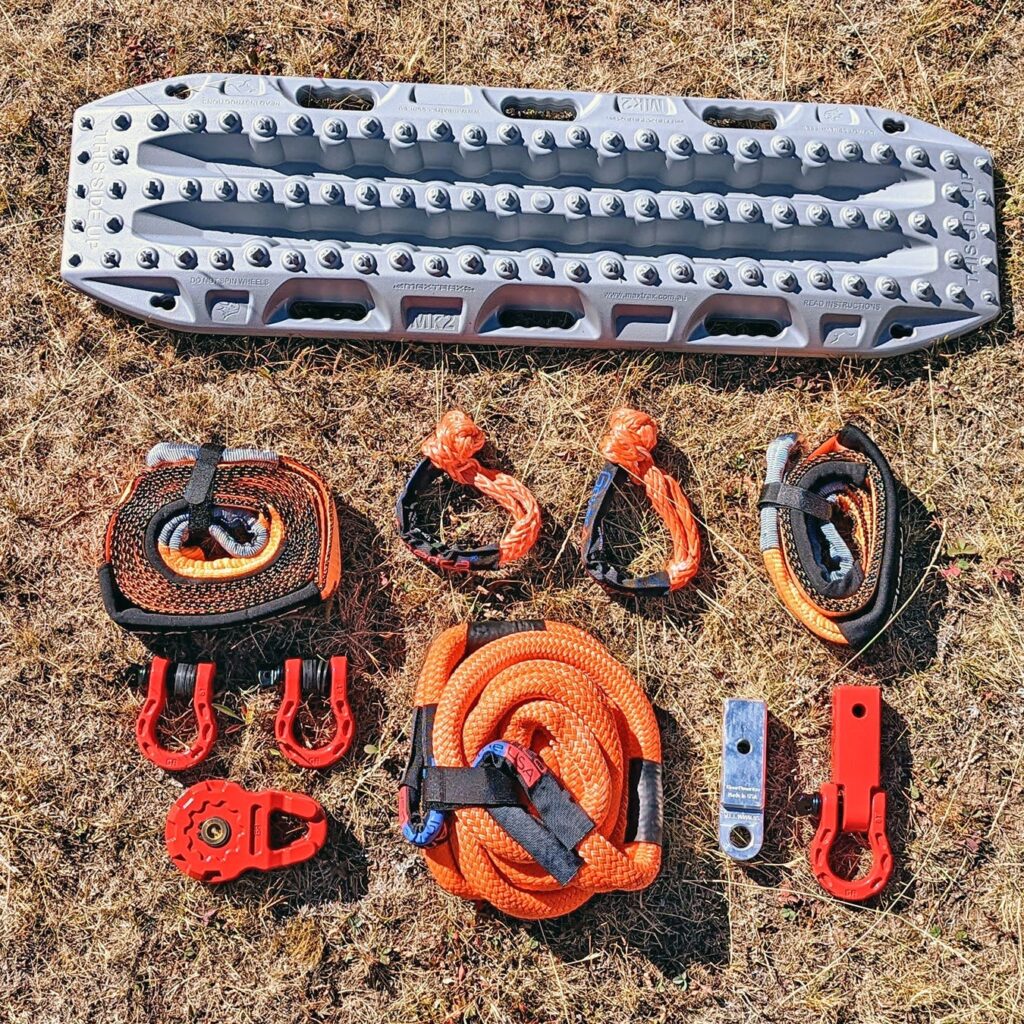
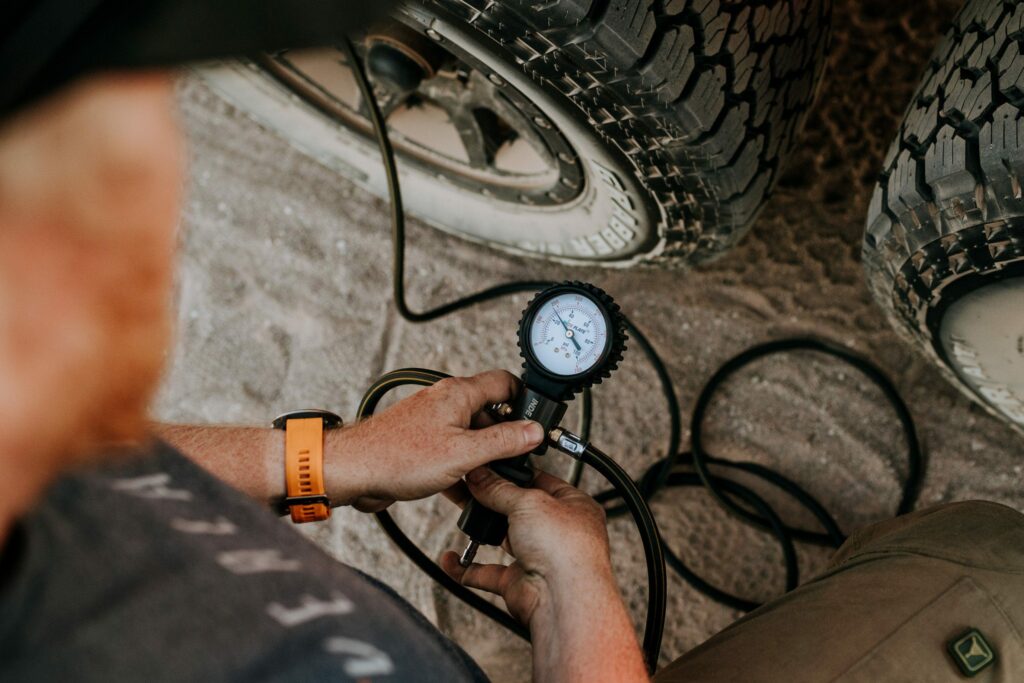
When buying gear, it helps to separate essential from non-essential. Must-haves include a proper spade (a full-size one is far better than a foldable version), a good-quality kinetic strap, two rated shackles, a 12V compressor and a reliable tyre pressure gauge. These aren’t optional – airing down is the secret to off-road comfort and traction.
Learning to drive off the road
Many people assume that if they can drive on the road, they can drive off it. In reality, 4×4 driving is a completely different discipline that requires an understanding of vehicle physics on unstable terrain.
A proper 4×4 training course teaches you that off-road driving isn’t about speed, but about controlled power. You learn how to use low range and gearing to let the vehicle do the work, rather than burning clutches or stressing components.
Training also covers the correct use of diff-locks. Engaging them at the wrong time, or on the wrong surface, can lead to expensive breakages. Knowing when to use them – and when not to – makes a huge difference.
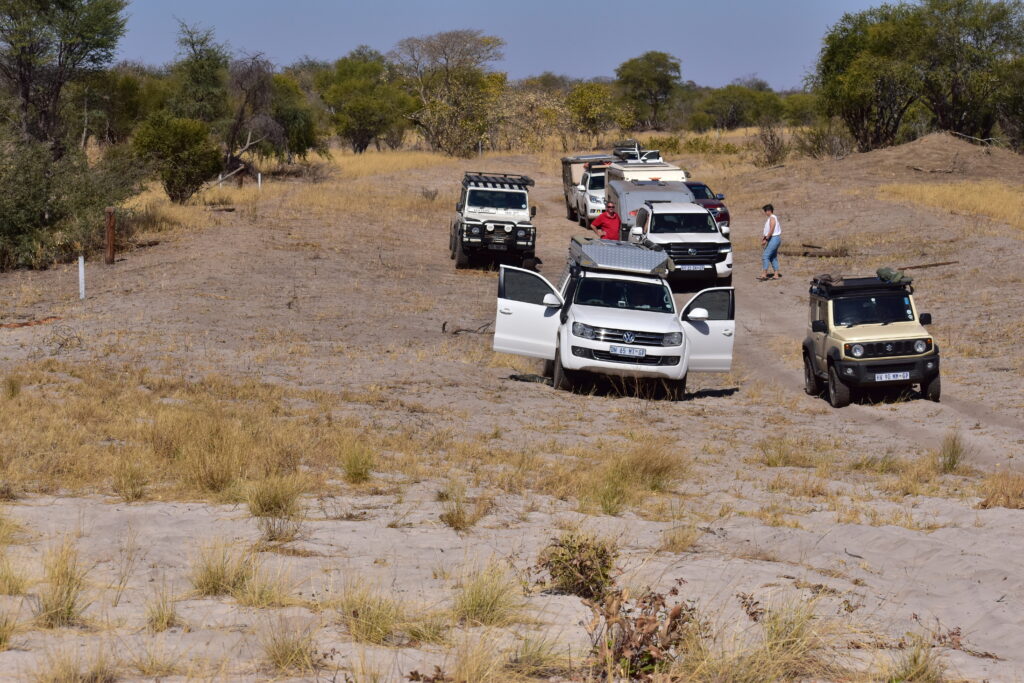
Reading terrain is another skill that takes time to develop. Learning to identify safe lines through rocks, judge water depth and spot soft sand that could swallow a vehicle is invaluable. A good course will also teach vital safety techniques, such as how to deal with a stalled vehicle on a steep incline without rolling backwards.
Navigation is another area where beginners often get caught out. Google Maps works well until the moment you lose signal. An offline GPS app such as Tracks4Africa, or even a second-hand Garmin unit with the relevant maps preloaded, is a worthwhile investment.
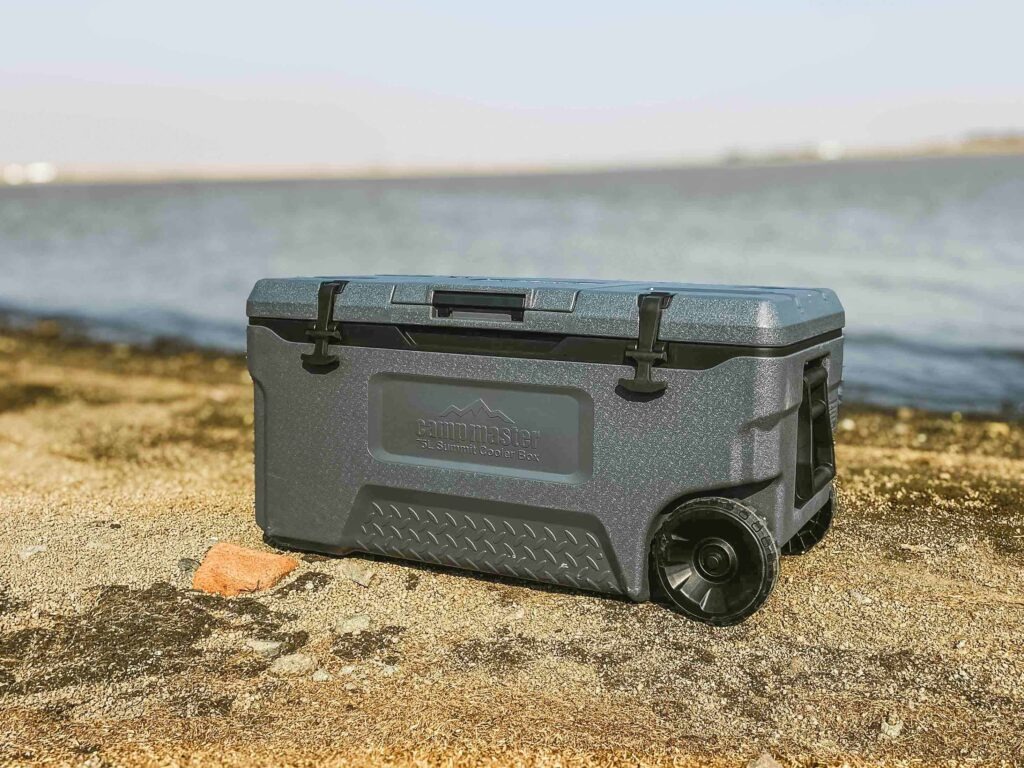
For your kitchen, keep things simple. A two-burner gas stove, a cast-iron potjie and a reliable way to keep water cool will take you far. You don’t need a 12V fridge immediately; a good icebox can easily last three days if packed correctly.
Don’t go it alone
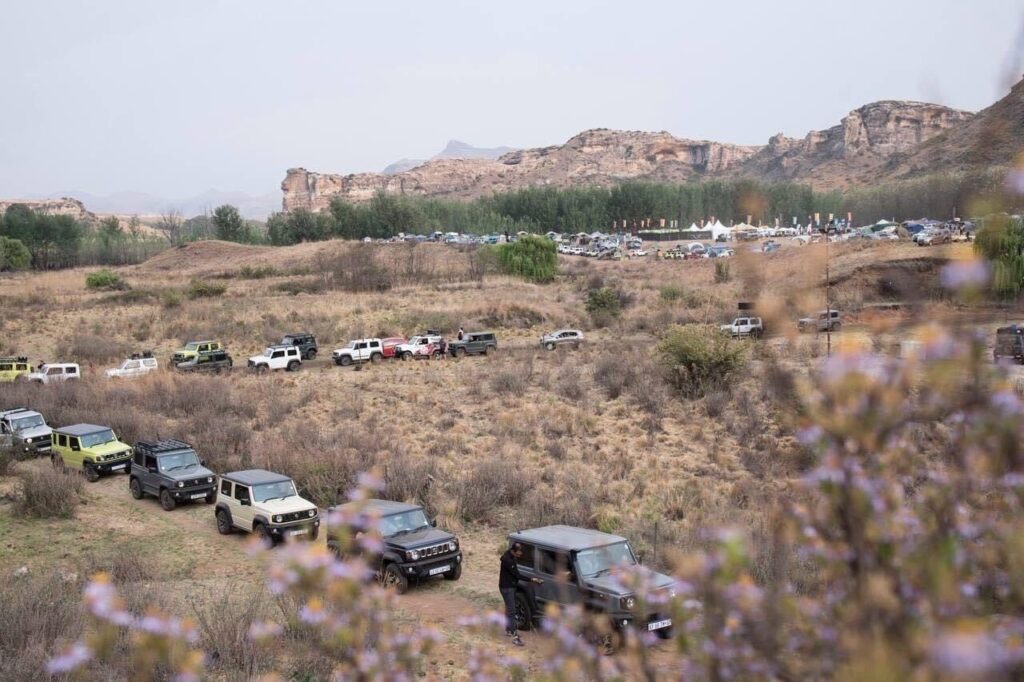
Joining local 4×4 and overlanding clubs is a game-changer, especially for younger adventurers. These communities are incredibly welcoming and offer a wealth of real-world knowledge you won’t find in a manual.
Don’t be afraid to ask “stupid” questions – every experienced overlander started somewhere. Travelling with a group gives you a built-in safety net and access to mentors who can guide you through technical challenges, ensuring your first trips are both safe and memorable.
Why starting young matters
Overlanding at 19 is about far more than driving dirt roads. It’s about the confidence that comes from knowing you can handle whatever the African continent throws at you. This stage of life is the perfect time to build resilience and problem-solving skills that extend far beyond the driver’s seat.
When you find yourself negotiating a tricky mountain pass or setting up camp under a canopy of stars, you’re learning self-reliance in its purest form. It’s an expression of freedom that digital life simply can’t replicate.
The key is to start small, buy used and spend your hard-earned money on fuel and memories rather than chrome accessories and unnecessary gadgets. A solid foundation is built on mechanical soundness and reliability, not on how many lights are bolted to your roof rack.
By choosing a pre-owned, dependable vehicle, you free up your budget to actually explore – whether that’s the red dunes of the Kalahari or the rugged tracks of the Tuli Block. Every litre of fuel becomes an investment in experience, shaping your character and creating stories that will last far longer than any shiny aftermarket part.