Our latest expedition reminded us of a simple truth. In today’s overlanding world, there is a growing belief that you need a fully kitted vehicle to explore places like northern Botswana. From heavy-duty bumpers and winches to complex battery systems and rooftop setups, the trend leans towards more.
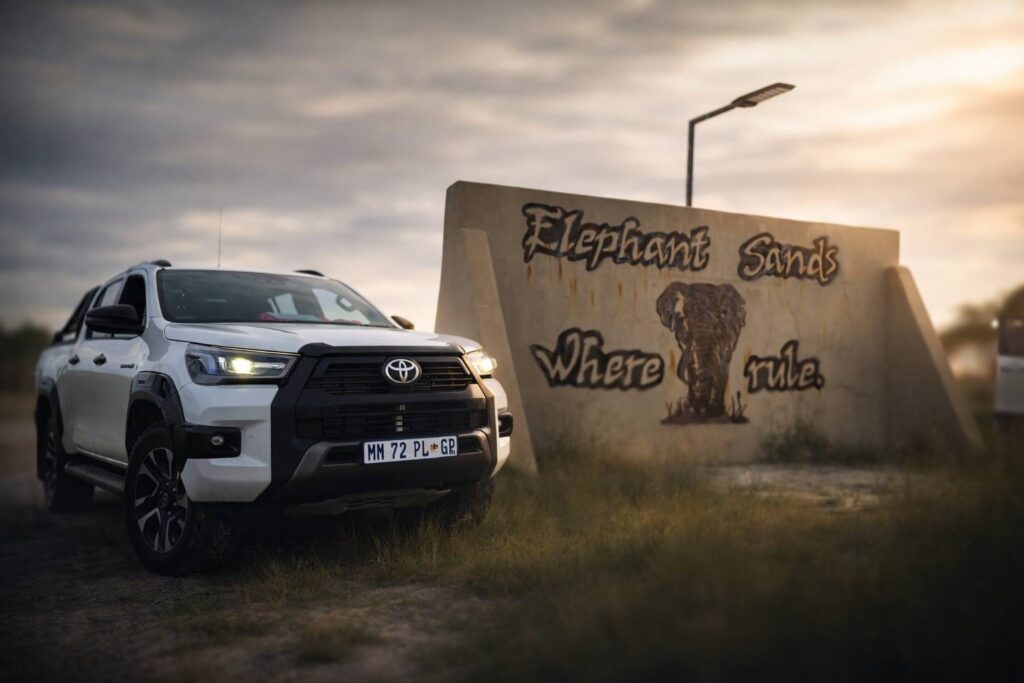
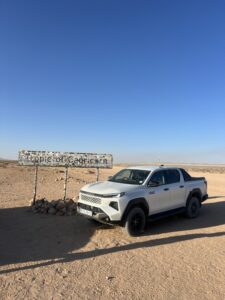
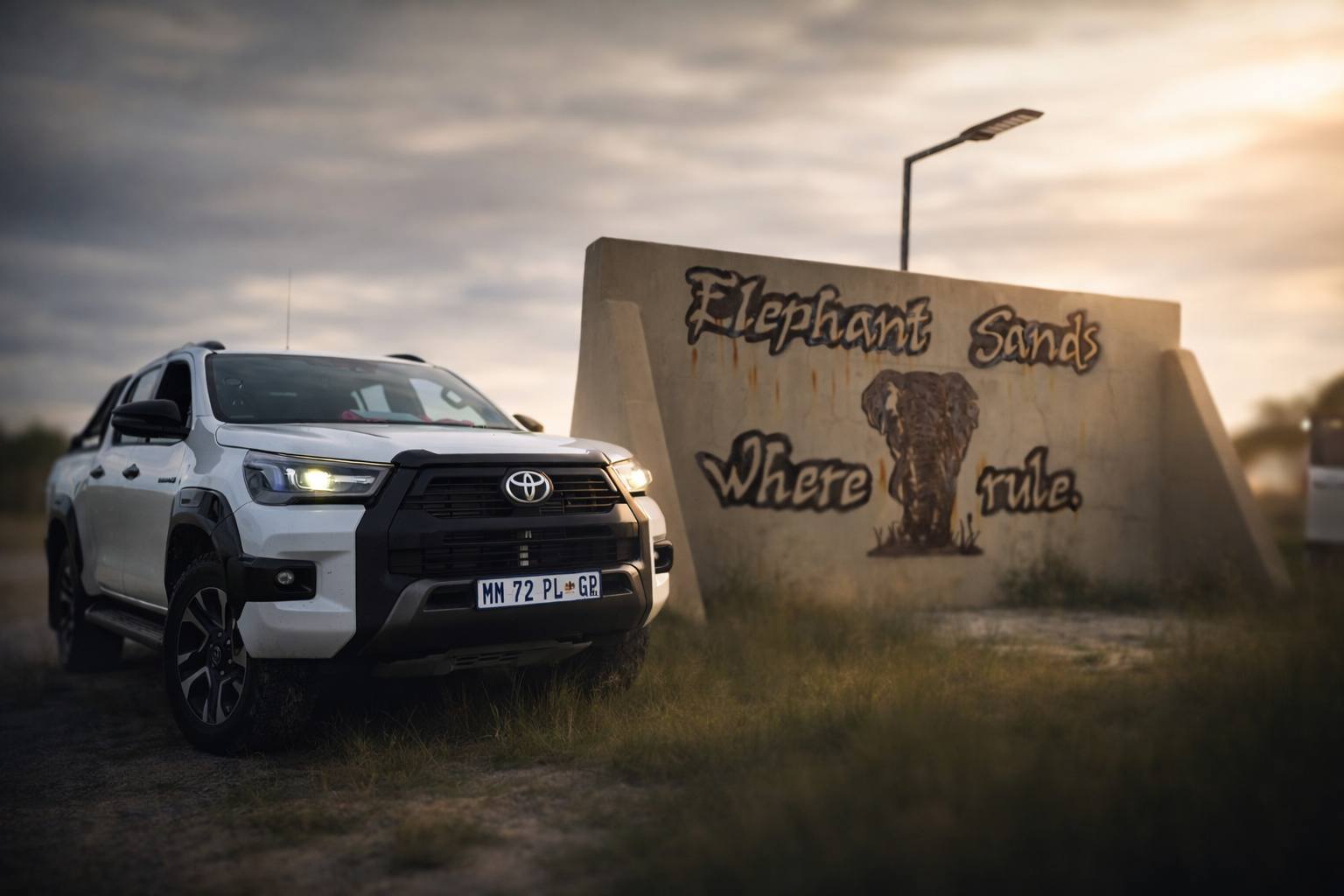
However, George van Deventer of Trans Africa Self Drive Adventures and Tours recently proved that less can often be more. During a “back to basics” expedition, a showroom-standard Toyota Hilux Legend 55, affectionately known as Cinderella, turned that thinking on its head.
The beauty among the beasts
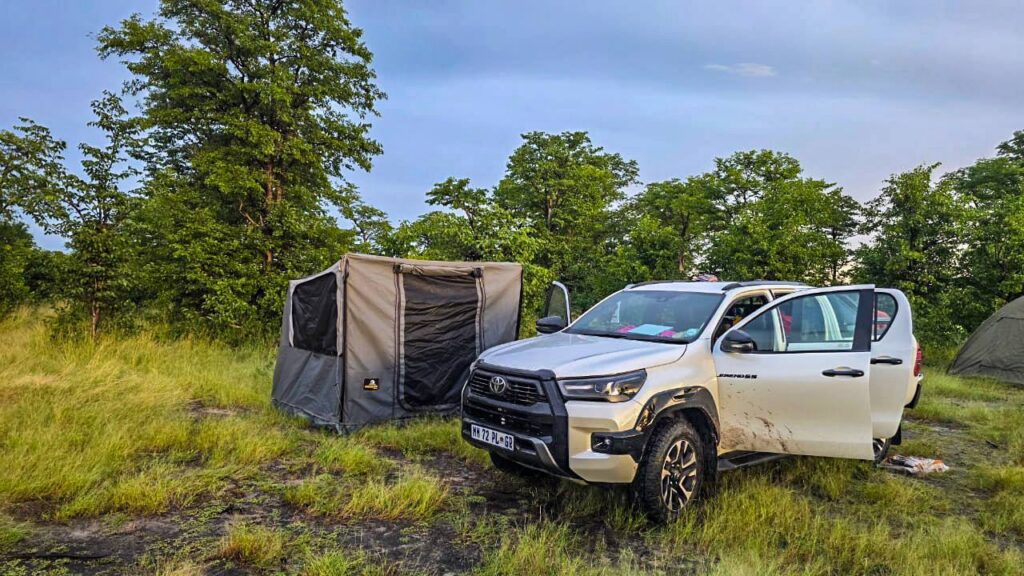
Cinderella arrived for the trip as a stock-standard vehicle straight from the showroom floor, with just 4 000km on the clock. Remarkably, she was running highway-terrain tyres rather than the aggressive mud-terrain options typically associated with the Kalahari.

Other members of the convoy packed extra recovery gear, expecting the standard Hilux to struggle. George’s approach was simple. He wanted to test the vehicle exactly as it comes from the showroom.
The result spoke for itself. Despite heavy rains and the infamous black cotton soil of the Hunter’s Road, the Hilux did not need to be recovered once. Even in sections where the mud became a genuine obstacle, its lighter footprint and factory diff-locks allowed it to reverse, reassess and continue where heavier vehicles might have bogged down.
Weight matters
The trip served as a practical reminder of an important overlanding principle. Weight is your enemy.
George, who has built heavy-duty vehicles like Ubuntu, admitted that the experience changed his thinking.
Once you have travelled light, you do not want to go back to a heavy build. Ride comfort improves, handling is noticeably better and the vehicle feels more responsive.
Weight affects more than just capability. It places additional strain on the brakes, suspension and cooling system, and it has a direct impact on fuel consumption. The lighter setup also delivered impressive efficiency, even under demanding conditions.
Crossing from South Africa into Botswana, George found himself double-checking the fuel gauge after a full day of 4×4 driving, surprised by how little fuel had been used.

A wet Botswana
The trip took place during an unusually wet March. Rainfall around Elephant Sands and Pandamatenga was more than double the annual average. The Hunter’s Road turned into a mix of water crossings and muddy detours, creating challenging but valuable learning conditions.
Lessons from the road
One of the most common misconceptions in off-roading is the role of a snorkel. Many believe it is designed for water crossings, but its primary purpose is dust intake.
Unless a snorkel is properly sealed and tested, it can allow water into the system. George recommends a simple test. Place a flat object over the snorkel intake while the engine is idling. If the engine stops immediately, the system is properly sealed. If it continues running, there are gaps where both air and water can enter.
Life in the wild
Beyond the driving, the trip offered a deeper look into the natural systems of the region.
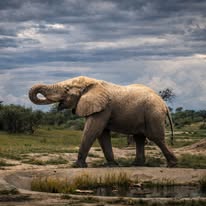
Botswana’s elephants follow migration routes that can take up to three years to complete, moving between Zimbabwe, Zambia, the Caprivi and the Okavango region. These routes are passed down through generations, with matriarchs leading and teaching younger members of the herd.
Interestingly, elephants are one of the few species where females experience menopause. This allows older matriarchs to focus on leadership rather than reproduction, improving the survival of the herd.
This highlights the importance of keeping migration corridors open and unfenced, particularly in areas stretching from the Kavango to the Hunter’s Road.
Respect the wild
The team was fortunate to see wild dogs near Elephant Sands. These animals are among the most efficient hunters in Africa, and sightings like this are always special.
However, George warned against the growing trend of trying to get too close for the sake of social media. A predator can close a 20-metre gap in seconds, and situations can escalate quickly.
Respecting wildlife means maintaining a safe distance and never encouraging animals to associate humans with food or water.

What you really need
For those starting their overlanding journey, the key lesson is to avoid overcomplicating things.
You do not need an expensive, fully modified vehicle to explore Africa. A few essentials go a long way.
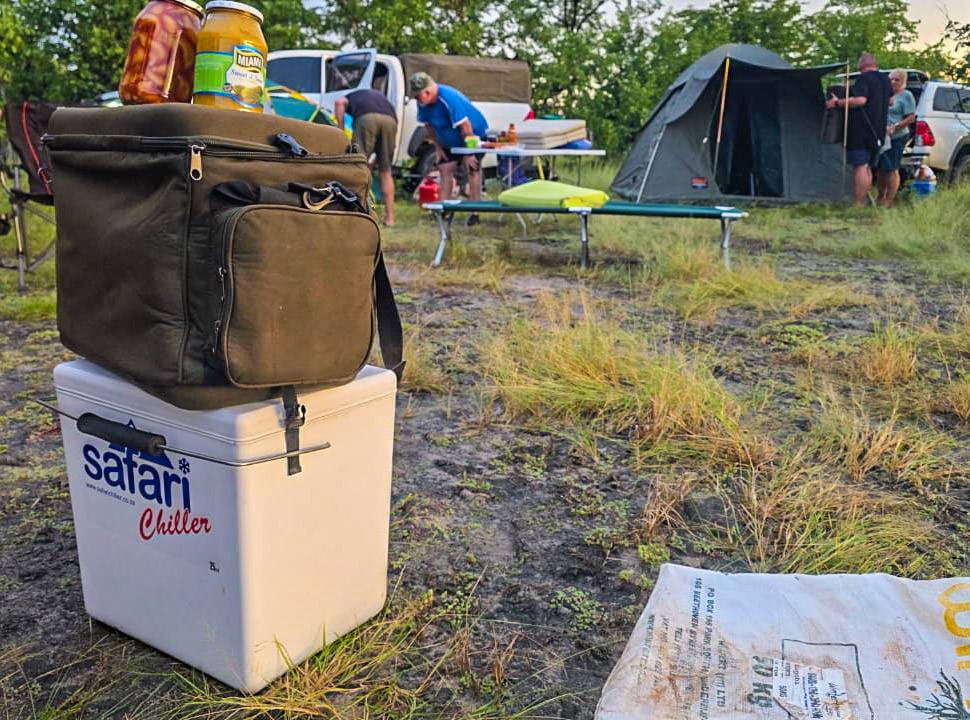
A quality fridge is one of the most valuable upgrades, allowing for fresh food and cold drinks. Power management is equally important. Switching a fridge off at night can save a significant portion of battery life without compromising food safety.
A simple dome tent is more than adequate for getting started. Suspension upgrades should come last, once the vehicle is fully loaded and its requirements are clear.
The real highlight
One of the standout moments of the trip had nothing to do with vehicles.
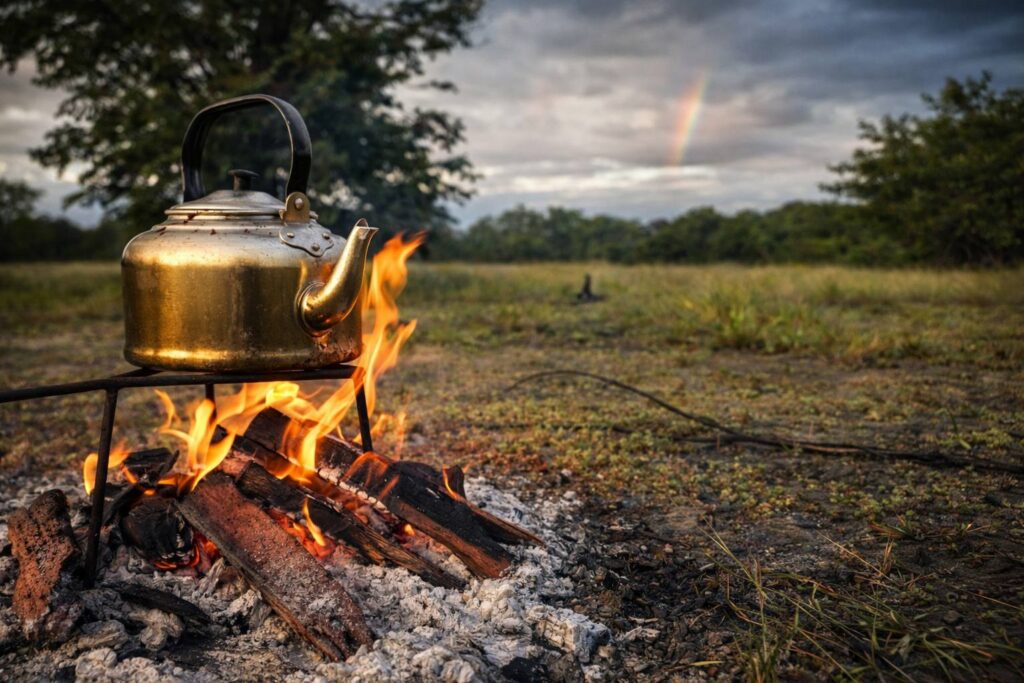
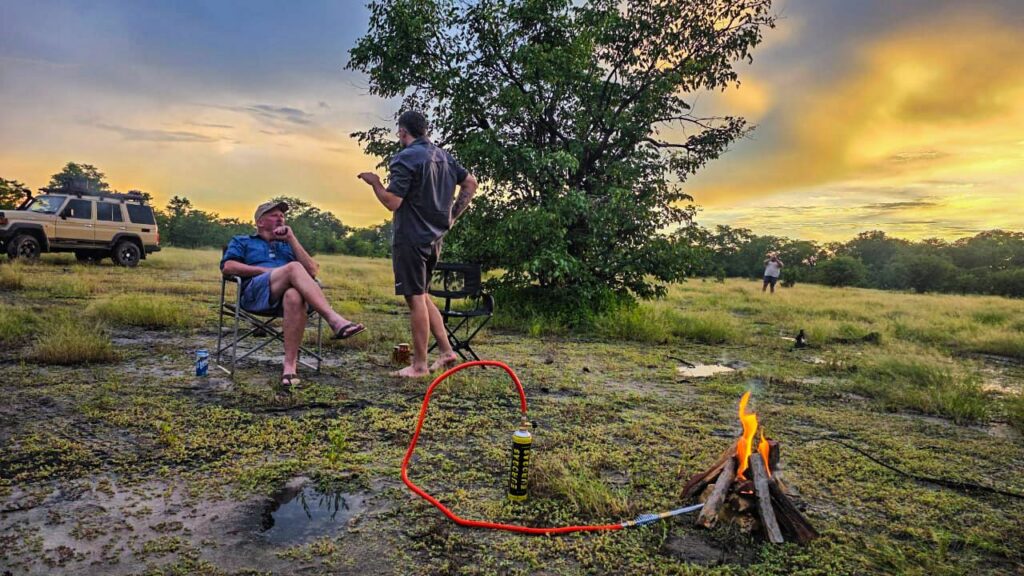
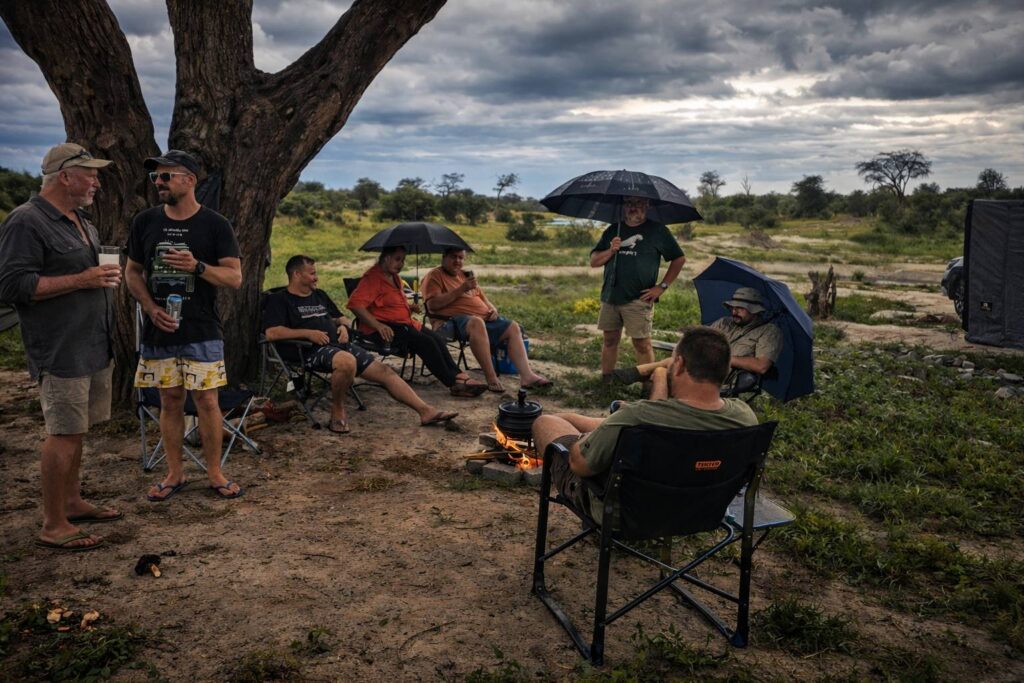
During a night of heavy rain, the team found themselves trying to cook a potjie while lightning struck nearby and water ran through the campsite. Instead of packing up, they adapted. A trench was dug, the fire was lifted on bricks and an umbrella was used to keep things going.
Standing around that fire, working together in difficult conditions, became the highlight of the trip.
Final thoughts
The back-to-basics approach is not about doing without. It is about removing unnecessary layers that separate you from the experience.
Whether it is travelling lighter, simplifying your setup or being more present in your surroundings, the reward is a deeper connection with the journey.
As preparations begin for the next adventure, the lesson remains clear. Travel light, think carefully and respect the environment.
Sometimes, like Cinderella, you do not need the most elaborate setup to stand out.