Selecting all-terrain (AT) tyres for light trucks involves evaluating sidewall ply ratings, typically 2-ply or 3-ply. A common misconception is that 3-ply tyres have thicker sidewalls, but modern light truck (LT) tyre construction often results in similar sidewall thicknesses, with differences in strength, flexibility, and application. This guide explores the nuances of 2-ply and 3-ply LT all-terrain tyres, debunks myths, and recommends top options for 2025 – featuring the new BFGoodrich All-Terrain T/A KO3. Measurements use standard tyre size notation (e.g. 265/70R17), with metric units for weight (kg), distance (km), speed (km/h), and pressure (kPa or bar), ensuring clarity for informed decision-making.
What are 2-ply and 3-ply tyres?
The “ply” rating refers to the layers of material – such as polyester, nylon, or steel – in a tyre’s sidewall and tread. Historically, ply ratings indicated layer count, but modern materials allow fewer plies to achieve equivalent or greater strength. In LT tyres, 2-ply and 3-ply ratings describe sidewall construction, but sidewall thickness is often similar (e.g. 3.8–6.4 mm). For example, a 2-ply tyre might use two denser cords, while a 3-ply tyre uses three thinner cords, resulting in comparable thickness but distinct performance. This is critical for all-terrain tyres, which balance on-road comfort with off-road capability.
Debunking the sidewall thickness myth

Manufacturers like Michelin and BFGoodrich clarify that 3-ply tyres are not inherently thicker. Sidewall thickness depends on rubber density, cord strength, and design. A 2-ply tyre with robust cords can match the thickness of a 3-ply tyre with lighter cords. This shifts the focus to performance differences driven by construction, load capacity, and durability – rather than ply count assumptions.
Key differences between 2-ply and 3-ply LT all-terrain tyres
Sidewall strength and puncture resistance
- 2-ply tyres: With two high-strength layers, 2-ply tyres offer reliable puncture resistance for light to moderate off-road use, such as gravel or dirt trails. They are less resistant to sharp rocks or thorns, making them suitable for occasional off-roading.
- 3-ply tyres: Three layers enhance puncture resistance, ideal for rugged terrains like rocky trails, muddy fields, or thorn-heavy areas. The extra layer adds structural integrity, though sidewall thickness remains similar due to optimised cord design.
Ride comfort

- 2-ply tyres: Denser cords allow greater sidewall flex (e.g. 12.7–25.4 mm deflection at 150–200 kPa or 1.5–2 bar), providing a smoother ride on highways at speeds of 80–110 km/h. This flexibility absorbs road imperfections – ideal for commuters.
- 3-ply tyres: Stiffer sidewalls (e.g. 7.6–17.8 mm deflection) create a firmer ride, especially at higher pressures (e.g. 350–450 kPa or 3.5–4.5 bar). This enhances stability on uneven terrain but can feel harsher on smooth roads.
Load capacity
- 2-ply tyres: Common in Load Range C (6-ply equivalent, max 350 kPa or 3.5 bar), 2-ply tyres support loads of 1 360–1 590 kg per tyre – suitable for light trucks with moderate payloads, like compact bakkies or SUVs.
- 3-ply tyres: Often in Load Range E (10-ply equivalent, max 550 kPa or 5.5 bar), 3-ply tyres handle up to 1 700–1 814 kg per tyre – ideal for towing trailers or hauling cargo.
Off-road performance
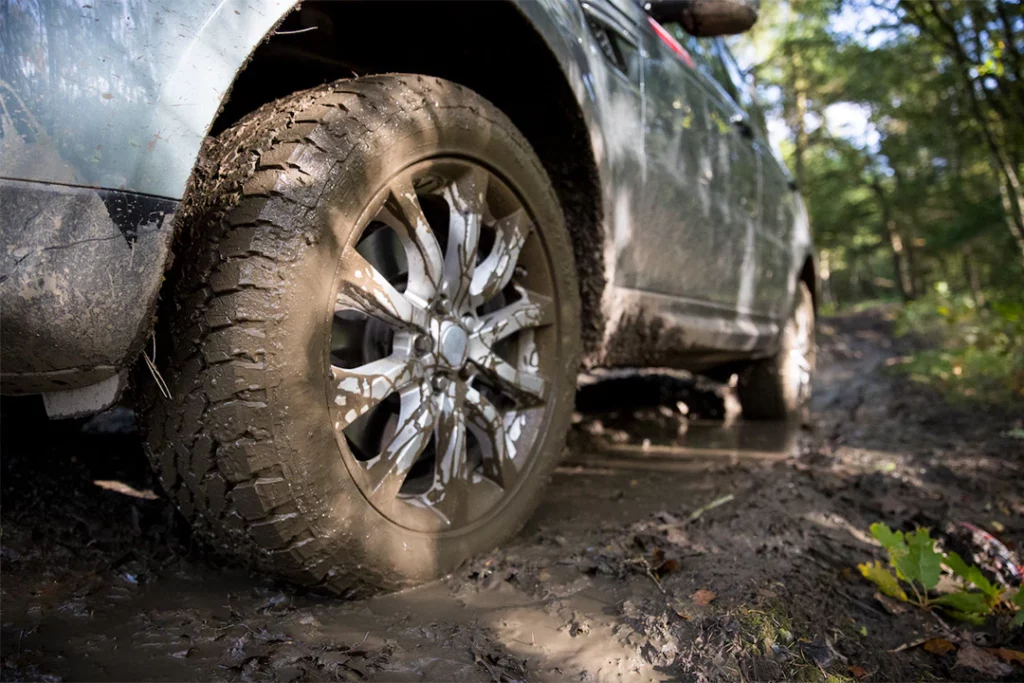
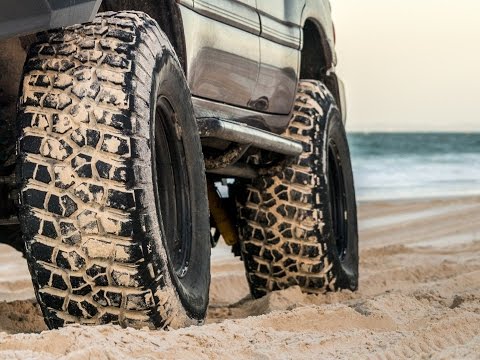
- 2-ply tyres: Flexible sidewalls improve traction when aired down (e.g. 100–140 kPa or 1–1.4 bar), conforming to surfaces like sand or mud over 8–16 km. They are less durable in extreme conditions, such as sharp rock fields.
- 3-ply tyres: Stiffer sidewalls maintain shape at low pressures, offering superior protection against punctures from sharp debris. They excel in rocky or thorny terrain but provide less footprint expansion, which can limit traction in soft surfaces.
Cost and weight
- 2-ply tyres: Lighter (e.g. 20–25 kg for a 265/70R17 tyre) and 10–15% cheaper, 2-ply tyres improve fuel efficiency slightly (e.g. 0.2–0.4 km/L), appealing to budget-conscious buyers.
- 3-ply tyres: Heavier (e.g. 25–30 kg) and more expensive due to additional materials, 3-ply tyres justify their cost with enhanced durability for demanding applications.
The controversy surrounding ply ratings
The debate over 2-ply versus 3-ply tyres stems from the misconception that ply count correlates with sidewall thickness or superiority. Manufacturer insights and user forums – such as the Ford Tremor Forum – reveal that construction factors like rubber compounds, cord density, and tyre weight are more significant. For example, the 3-ply BFGoodrich All-Terrain T/A KO3 weighs 10% more than some competitors, reflecting robust construction beyond ply count.
Some users argue that 2-ply tyres suffice for light off-roading, while 3-ply tyres are preferred for durability in harsh conditions. Others note the price difference (e.g. R1 000 per tyre) may not justify 3-ply tyres for casual use, fuelling the controversy.
Practical implications
The similarity in sidewall thickness means drivers should focus on driving needs. A 2-ply tyre’s flexibility enhances off-road traction when aired down, while a 3-ply tyre’s stiffness ensures stability under heavy loads. This nuanced understanding aligns tyre choices with specific applications – from commuting to overlanding.
Choosing the right tyre for your needs
Selecting between 2-ply and 3-ply LT all-terrain tyres depends on driving habits, vehicle type, and conditions:
- Choose 2-ply tyres for ride comfort, fuel efficiency, and cost savings – ideal for highway driving or light off-roading (e.g. gravel trails over 8–32 km). They suit bakkies with a gross vehicle weight under 2 720 kg and occasional trail adventures.
- Choose 3-ply tyres for frequent off-roading in rugged conditions, towing heavy trailers (e.g. over 2 270 kg), or hauling substantial cargo. They offer superior durability and stability.
Consult your vehicle’s tyre placard (typically on the driver’s door jamb) for recommended tyre size (e.g. 265/70R17) and load range. Consider seasonal factors, such as snow or wet conditions, and opt for tyres with a Three-Peak Mountain Snowflake (3PMSF) rating if needed.
Examples of 2-ply and 3-ply LT all-terrain tyres for 2025
2-ply LT all-terrain tyres
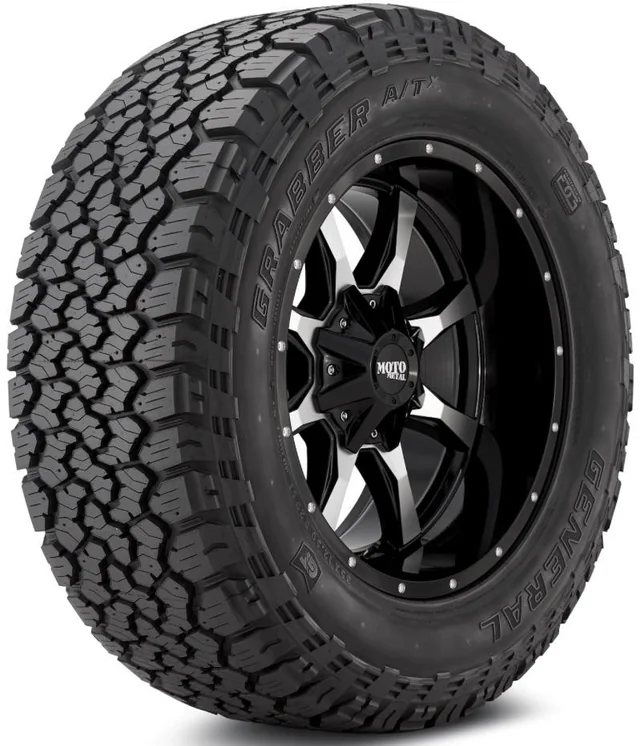
General Grabber ATX
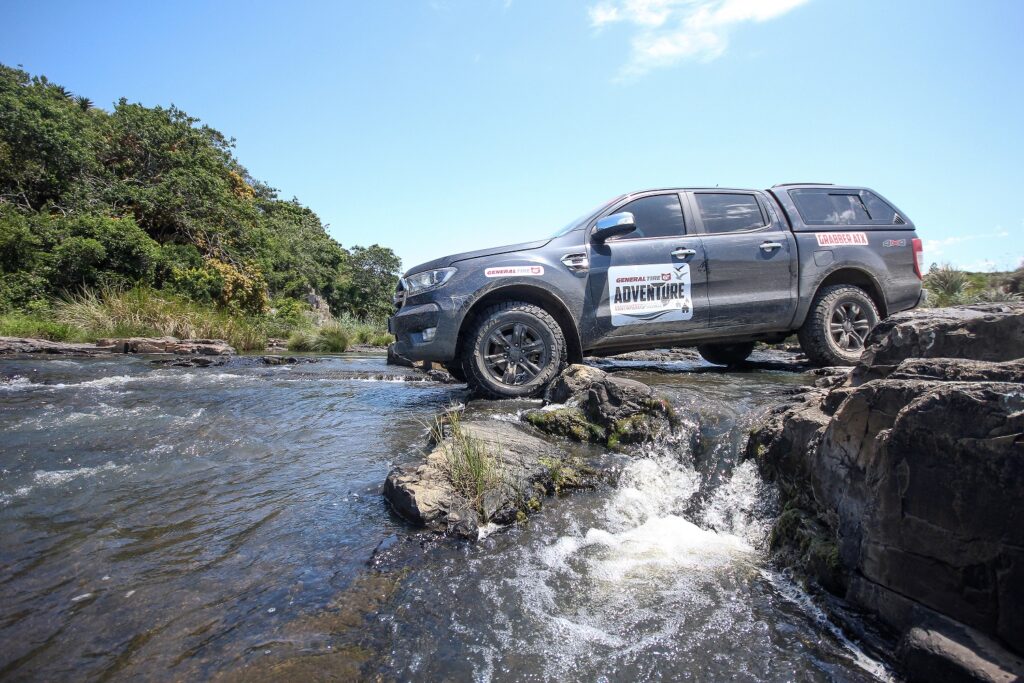
- Description: A 2-ply sidewall tyre (4.6 mm thick) offering excellent highway comfort at 95–110 km/h and moderate off-road grip. Its 3PMSF rating ensures snow performance, and flexible sidewalls excel at 120–150 kPa (1.2–1.5 bar) for aired-down traction on trails.
- Best for: Commuters with occasional off-roading, such as weekend trail drives.
- Sizes: 265/70R17, 285/70R17.
- Warranty: 96 560 km.
- Performance notes: Balances on-road smoothness with light off-road capability – ideal for versatile daily use.
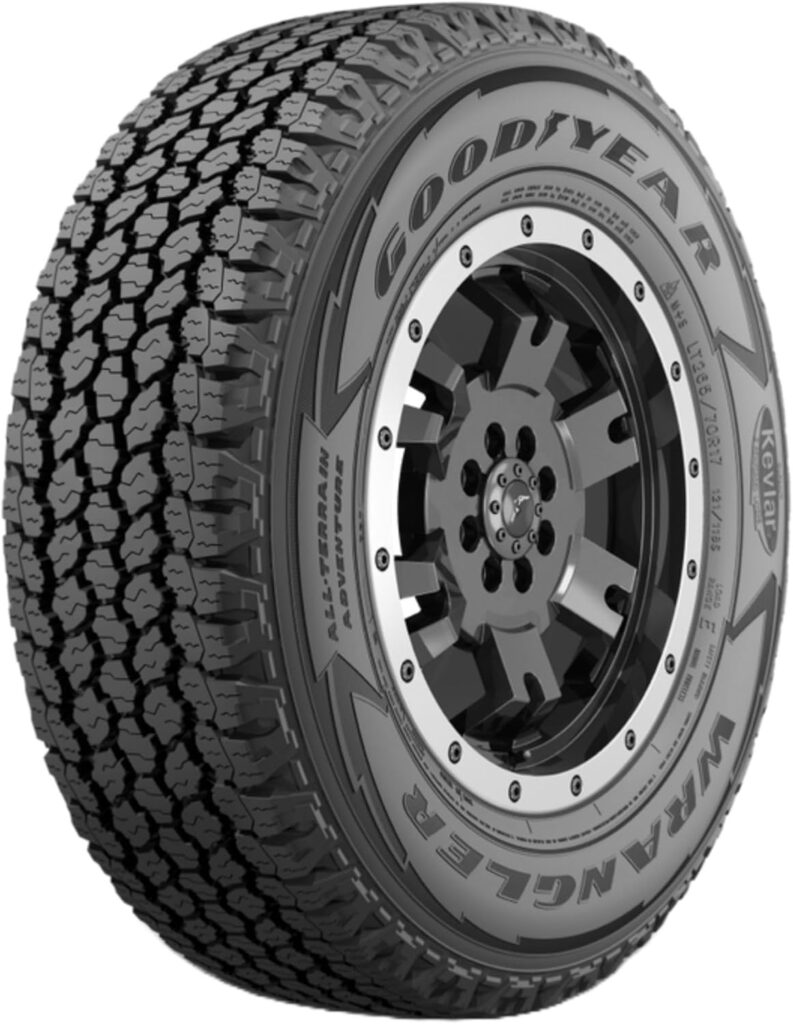
Goodyear Wrangler All-Terrain Adventure
- Description: A 2-ply tyre (4.1 mm sidewall) designed for long-distance highway driving and light off-road use. Smooth at 300–350 kPa (3–3.5 bar), it handles gravel and dirt trails effectively.
- Best for: Long-distance drivers needing all-season reliability.
- Sizes: 265/65R17, 275/65R18.
- Performance notes: Its durable tread compound ensures longevity – perfect for commuting trucks.
3-ply LT all-terrain tyres
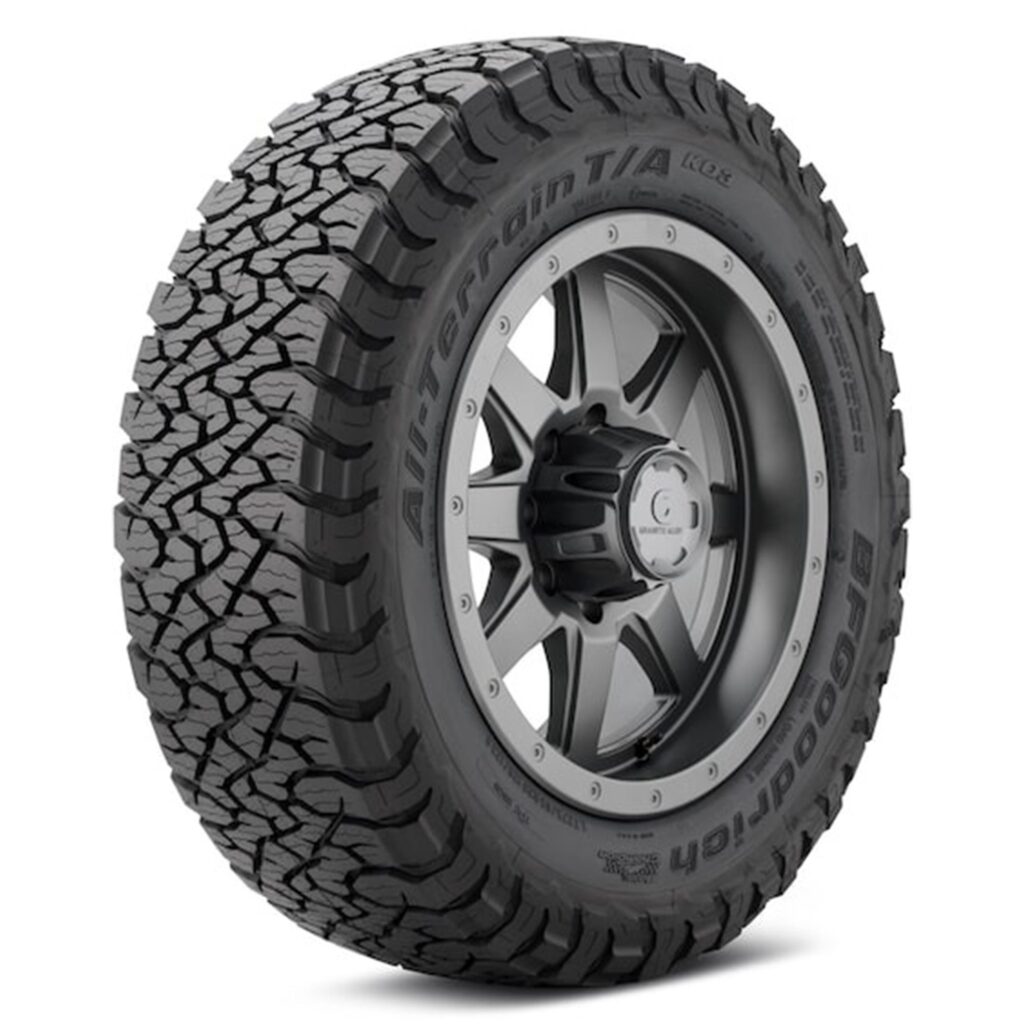
BFGoodrich All-Terrain T/A KO3
- Description: A 3-ply sidewall tyre (4.8 mm thick) with superior puncture resistance, launched in 2024 as the successor to the KO2. Featuring CoreGard Technology and a new tread compound, it excels at 400–550 kPa (4–5.5 bar) in mud, rocks, and snow, with a 3PMSF rating. Its serrated shoulder design and mud-phobic bars enhance traction. Note: Some Load Range C KO3s may have 2-ply sidewalls, so verify sidewall markings.
- Best for: Off-road enthusiasts and heavy haulers tackling challenging conditions.
- Sizes: 285/70R17, 315/70R17.
- Performance notes: Its optimised footprint and 3D locking sipes ensure even wear and quiet on-road performance – making it a top choice for overlanding.
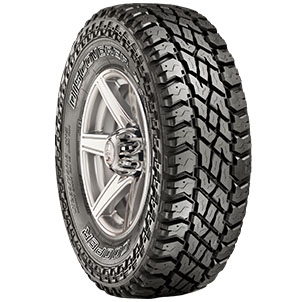
Cooper Discoverer S/T Maxx
- Description: A 3-ply tyre (5.1 mm sidewall) with ArmorTek3 technology for extreme durability. Weighing 10.3 kg for a 265/70R15 size (10% heavier than competitors), it performs best at 350–450 kPa (3.5–4.5 bar) in harsh environments.
- Best for: Aggressive off-roading and heavy-duty applications.
- Sizes: 265/70R15, 275/70R18.
- Performance notes: Its robust construction withstands sharp debris – ideal for contractors or off-road adventurers.
Practical tips for tyre selection
- Assess driving conditions: Evaluate on-road versus off-road driving. If 80% of your driving is on highways, 2-ply tyres may suffice. For 50% or more off-road use, opt for 3-ply tyres.
- Verify load requirements: Ensure the tyre’s load capacity matches your truck’s needs, especially for towing or hauling. A 3-ply tyre’s higher load rating (e.g. 1 814 kg) supports heavier trailers.
- Maintain tyres properly: Check tyre pressure regularly (using a gauge in kPa or bar) and rotate tyres every 8 000–12 000 km to maximise lifespan.
- Balance budget and durability: While 2-ply tyres are cheaper upfront, 3-ply tyres like the BFGoodrich KO3 may offer better long-term value for frequent off-roaders due to their durability.
- Understand tyre sizes: Standard sizes like 265/70R17 indicate width (265 mm), aspect ratio (70% of width for sidewall height), and rim diameter (17 inches). Match these to your vehicle’s specifications.
Conclusion
The choice between 2-ply and 3-ply LT all-terrain tyres hinges on performance needs, not sidewall thickness – which is often similar due to modern construction. 2-ply tyres, like the General Grabber ATX and Goodyear Wrangler All-Terrain Adventure, excel in smooth rides and flexibility for light off-road use over 8–32 km. 3-ply tyres, such as the BFGoodrich All-Terrain T/A KO3 and Cooper Discoverer S/T Maxx, offer superior durability and load capacity for rugged terrain and heavy-duty tasks. By considering your truck’s load requirements, driving habits, and terrain – and ensuring the tyre size (e.g. 265/70R17) and load range align with your vehicle’s specifications – you can select the ideal tyre for 2025, enhancing safety, performance, and enjoyment on or off the road.