Namibia, a land of breath taking contrasts, from the towering dunes of Sossusvlei to the wildlife-rich Etosha Pan, beckons adventurers with its vast, untamed beauty. A self-drive or overlanding trip is arguably the best way to experience this magnificent country, offering unparalleled freedom and immersion. However, planning such an expedition inevitably brings a host of questions. To help you prepare for an unforgettable journey, we’ve compiled answers to the ten most frequently asked questions about overlanding and travel in Namibia.
Your Top 10 Overlanding Namibia Questions Answered:
1. Is Namibia safe for overlanding and self-driving?
Namibia is widely considered one of the safest and most politically stable countries in Africa for self-drive travel. Crime rates are relatively low, particularly in tourist areas. However, standard precautions apply: keep valuables out of sight, lock your vehicle, avoid walking alone at night in urban areas, and be aware of your surroundings, especially in Windhoek and Swakopmund. In the wilderness, safety means respecting wildlife and being prepared for remote conditions.

2. Do I need a 4×4 vehicle to overland in Namibia?
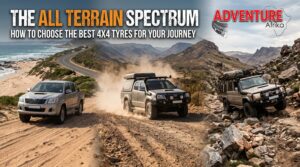
While it’s possible to visit some of Namibia’s main highlights with a high-clearance 2WD vehicle, a 4×4 is strongly recommended and often essential for a true overlanding experience. Namibia’s vast network of gravel roads, sandy tracks (especially to places like Deadvlei or remote areas), and potential seasonal water crossings are best navigated with a capable 4×4. It offers better ground clearance, traction, and overall safety and comfort on challenging terrains. Many car rental companies also specify 4×4 for certain routes.
3. What are the road conditions like in Namibia?
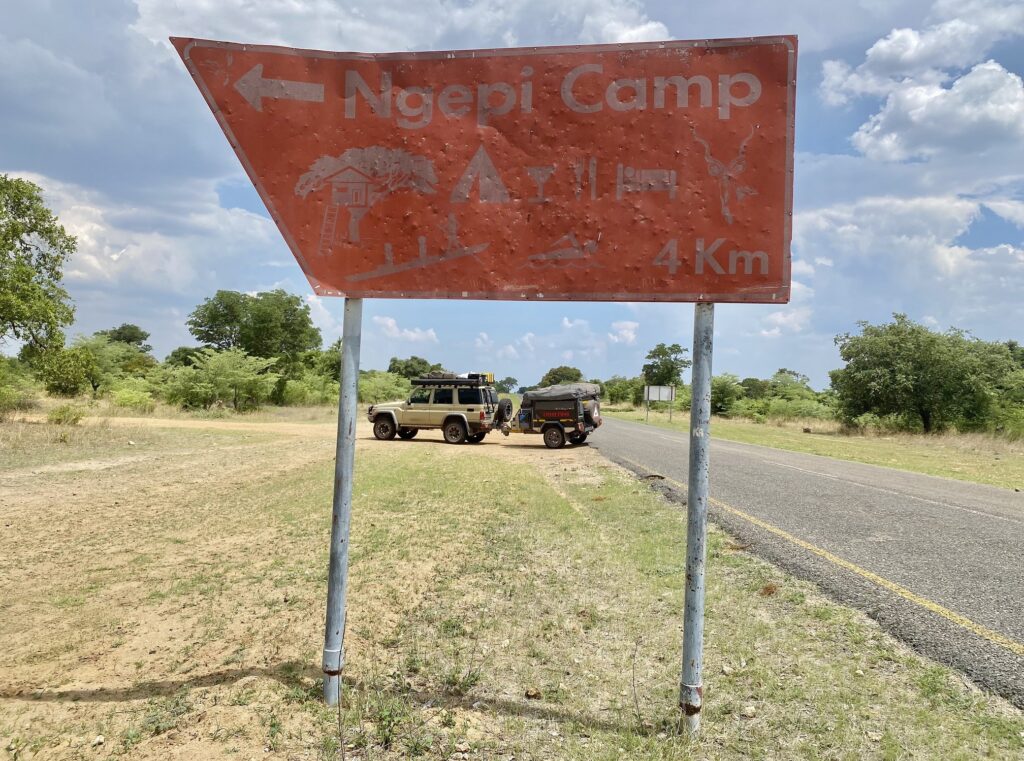
Namibia is famous for its extensive network of well-maintained gravel roads, which make up about 80% of the country’s road system. While generally in good condition, they can vary from smooth to heavily corrugated, sandy, or stony. Tar roads connect major towns and are excellent. Key driving tips include:
- Speed Limits: Adhere strictly to limits (often 80 km/h on gravel, 120 km/h on tar). Speeding is a major cause of accidents.
- Dust & Visibility: Reduce speed and maintain distance when overtaking on gravel roads due to dust.
- Night Driving: Avoid driving after dark outside of major towns due to the high risk of encountering wildlife or livestock on the roads.
- Tyre Pressure: Adjust tyre pressure for gravel roads (lower pressure for better grip and comfort).
4. How much fuel and water should I carry?
This is critical for self-sufficiency. Namibia is vast and sparsely populated, with long distances between towns and fuel stations.
- Fuel: Always fill up at every opportunity, even if your tank is half full. Calculate your vehicle’s consumption on gravel and sand, and carry jerry cans for extended remote sections (e.g., Damaraland, Kaokoveld).
- Water: A minimum of 3-5 litres of drinking water per person per day is recommended, plus extra for cooking and washing. Many lodge and campsite water sources are potable, but always confirm or purify if unsure. Carry purification tablets or a good filter.
5. When is the best time to visit and overland Namibia?
- Dry Season (May to October): This is peak season, offering excellent wildlife viewing as animals congregate around waterholes. Days are warm, and nights can be cool to cold (even freezing in winter months like June-August, especially in the desert). Roads are generally at their best.
- Green Season (November to April): Characterized by summer rains, lush landscapes, spectacular thunderstorms, and migratory birds. Temperatures are higher and humidity can be a factor. Roads can become muddy and challenging in certain areas. Prices might be lower, and tourist numbers less.
6. What essential equipment should I pack for overlanding?
Beyond your vehicle’s recovery gear, consider:
- Camping Gear: Rooftop tent or sturdy ground tent, sleeping bags (for cold desert nights), cooking equipment (gas stove, pots and pans), fridge/freezer.
- Navigation: Reliable GPS with offline maps (e.g., Tracks4Africa), and physical paper maps – do not rely solely on mobile signal.
- Communication: A satellite phone or Garmin InReach is highly recommended for remote areas where cell signal is non-existent.
- Power: Dual battery system, power bank, solar charging options.
- Health & Safety: Comprehensive first-aid kit, personal medications, insect repellent (especially for malaria areas), high SPF sunscreen, wide-brimmed hat, sunglasses.
- Clothing: Layered clothing for varying temperatures (hot days, cold nights), comfortable closed shoes, and sandals.
- Miscellaneous: Headlamp, binoculars, camera gear (with spare batteries), Ziploc bags for dust protection, firelighters (for Donkey Boilers if no electricity).
- Important Note: Plastic bags are largely banned in Namibia, so bring reusable bags.
7. How do National Park permit fees and border crossings work?
- National Parks: Entry permits for parks like Etosha can usually be purchased at the gate. While booking campsites within popular parks (e.g., Etosha) well in advance is crucial, the daily park entry fee is typically paid upon arrival. Always carry cash as card facilities might be unreliable.
- Border Crossings: Generally straightforward but can involve some waiting. Ensure you have:
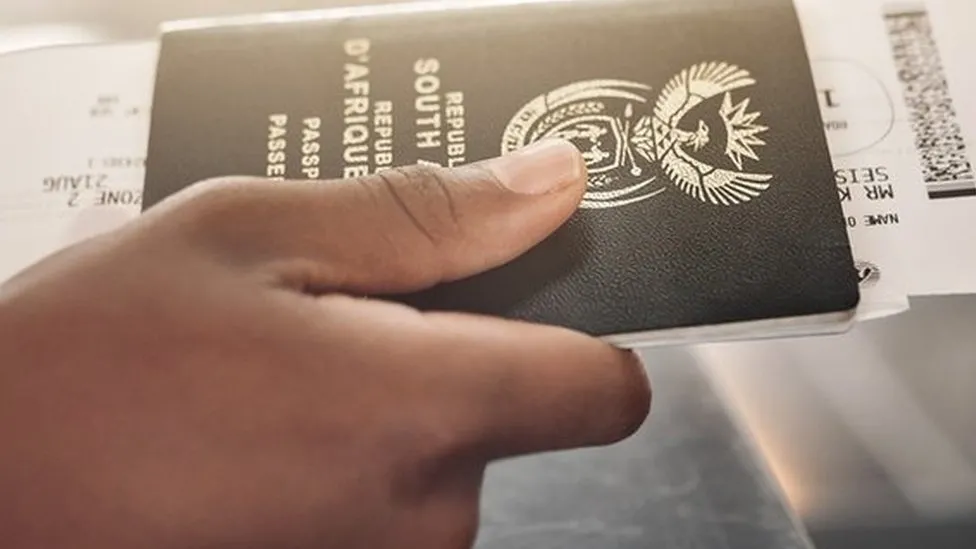
- Valid Passport (6 months validity, 2-3 blank pages).
- Vehicle Registration Documents (original or certified copies).
- Letter of Authority from owner if vehicle is not yours.
- Valid Driver’s License (International Driving Permit often recommended if yours isn’t in English).
- Proof of Third-Party Insurance (can often be bought at the border).
- Be aware of veterinary fences (vet gates) – you may not be allowed to transport raw meat across them to prevent the spread of animal diseases.
8. What about currency, ATMs, and communication?
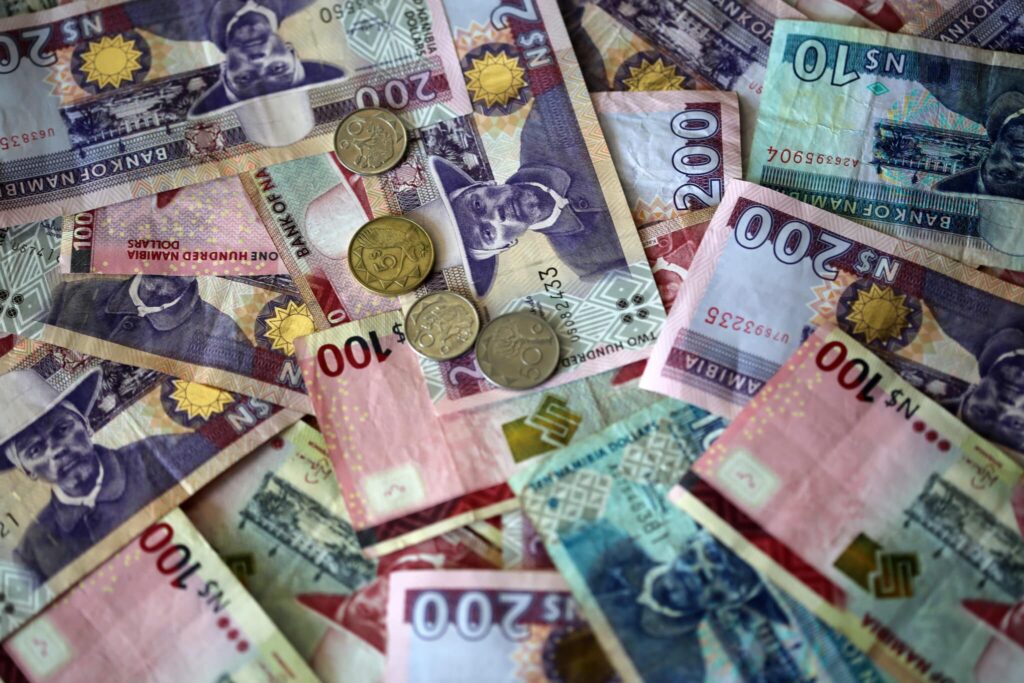
- Currency: The Namibian Dollar (NAD) is the official currency, pegged 1:1 with the South African Rand (ZAR), which is also widely accepted.
- ATMs: Available in larger towns (Windhoek, Swakopmund, Walvis Bay, Maun) but can be scarce in remote areas. It’s wise to carry sufficient cash for smaller purchases, fuel (some stations are cash-only), and park fees.
- Communication: Mobile phone coverage is decent in towns and along major routes but quickly disappears in national parks and remote areas. Hence, the recommendation for satellite phones. Wi-Fi is often available at lodges and some larger campsites.
9. Are campsites easy to find, and do I need to book in advance?

Campsites in Namibia are generally well-maintained and offer a range of facilities. While there are many options, booking campsites well in advance is highly recommended, especially for popular national park sites (like those in Etosha) and during peak season (June-October). These can book out months ahead. Wild camping is generally not advised and often illegal or unsafe due to wildlife or private land.
10. What about health concerns (Malaria, vaccinations)?
- Malaria: Namibia has varying malaria risk areas. The highest risk is in the far north, particularly the Caprivi Strip (Zambezi Region), especially during the rainy season. Consult your doctor or a travel clinic well in advance about malaria prophylaxis. Always use effective insect repellent, sleep under mosquito nets, and wear long sleeves/pants around dusk and dawn.
- Vaccinations: Consult your doctor about recommended vaccinations, which may include Hepatitis A & B, Typhoid, Tetanus, Diphtheria, and Polio. Rabies might be suggested for those spending extended time in remote areas or working with animals.
- Water: Stick to bottled water or filter/purify local water, especially outside of major towns and established lodges.
Overlanding in Namibia is an adventure that offers immense rewards: vast open spaces, unique desert landscapes, abundant wildlife, and a profound sense of freedom. Proper planning and preparation, guided by answers to these key questions, will ensure your journey through this magnificent country is safe, smooth, and utterly unforgettable.