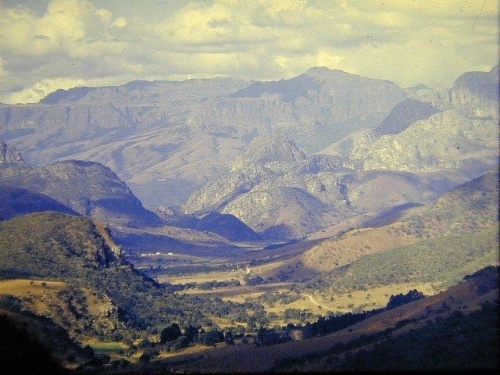
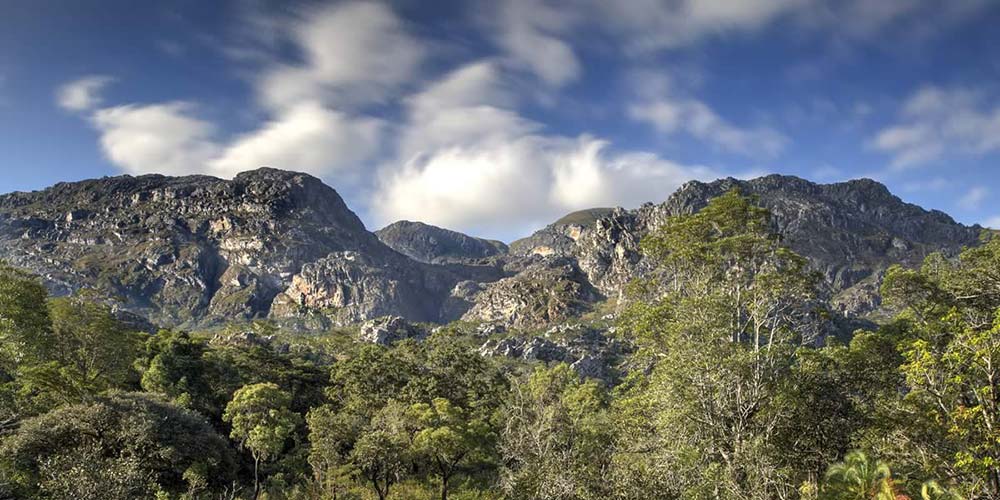
Deep in the heart of Zimbabwe’s Eastern Highlands, where the air is thin and the water runs crystal clear, lies Chimanimani National Park. Often described as a “sky island,” this 171-square-kilometer wilderness is a dramatic departure from the sun-drenched savannas of Hwange or Mana Pools. Here, the landscape is defined by jagged quartzite peaks, misty Afro-montane forests, and ancient caves that have sheltered travelers for centuries.
If you are looking for a raw, off-the-grid adventure in 2026, Chimanimani is the hiking destination of a lifetime. Unlike many African parks, there are virtually no roads inside the mountain core; this is a place where your boots do the talking and the only traffic you’ll encounter is a soaring Black Eagle or a shy klipspringer.

Getting There: The Journey to the Edge
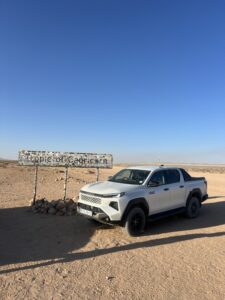
The adventure begins in Chimanimani Village, a quirky, mist-shrouded town located about 150km south of Mutare. From the village, a 19km gravel road leads to the Mutekeswane Base Camp, the primary entry point for hikers. While the road is manageable for most high-clearance vehicles, a 4×4 is highly recommended during the rainy season (November to March) when the mountain tracks can turn into slippery sludge. For those heading to the remote “Corner” area of the park, a 4×4 with low-range capabilities is mandatory.

A Unique Afro-Montane Ecosystem
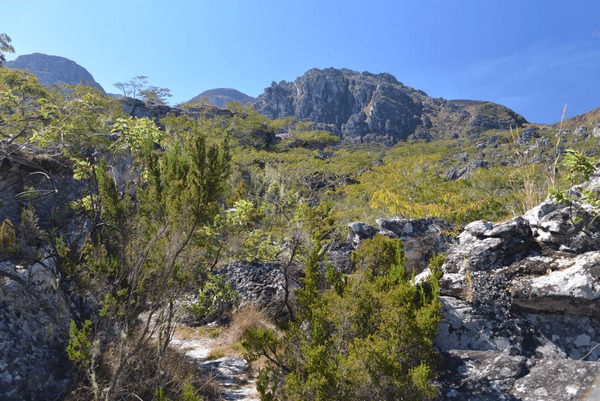
What sets Chimanimani apart is its unique flora. The park is a botanical treasure trove, home to various species of Proteas, wild orchids, and the prehistoric-looking Encephalartos (cycads). As you climb higher, the thick forests give way to high-altitude grasslands and the surreal “Bundi Plain.” The landscape is often compared to the Scottish Highlands, but with a distinctly African twist—where the granite and quartzite formations have been sculpted by wind and water into shapes resembling mythical beasts.
Camping in the Clouds: The Cave Culture
Accommodation in Chimanimani is as authentic as it gets. While the Mountain Hut (1,630m) offers communal shelter and basic facilities for up to 20 people, the real magic lies in the caves. Peter’s House and Terry’s Cave are popular natural shelters where hikers can roll out their sleeping bags and experience the mountain in its purest form. Sleeping in a cave, with the sound of the wind whistling through the quartzite cracks and the total absence of light pollution, is a transformative experience. Remember: you must be entirely self-sufficient, carrying all your food, fuel, and gear.
Nature’s Pristine Pools
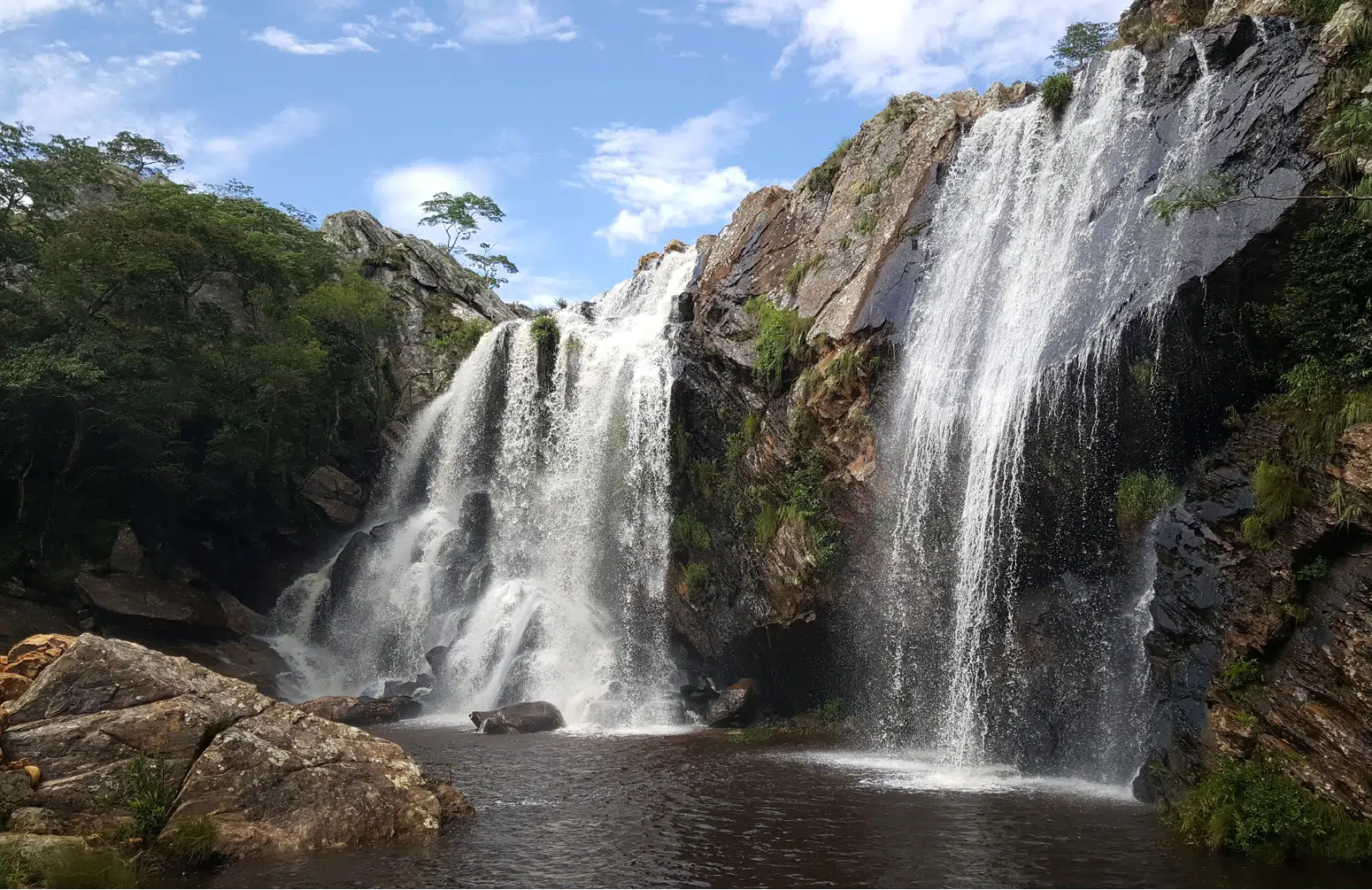
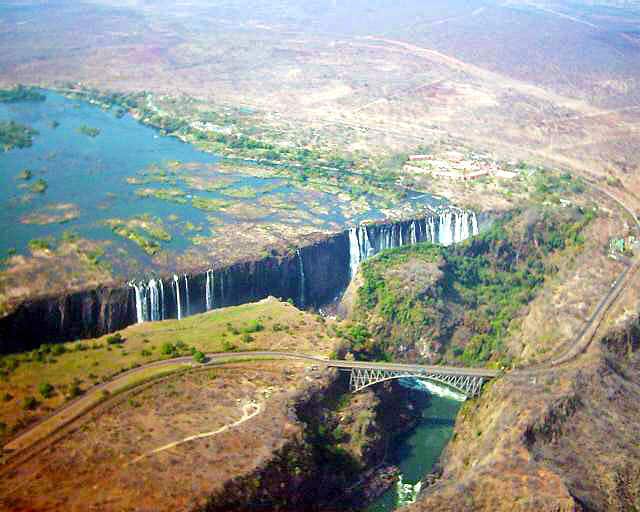
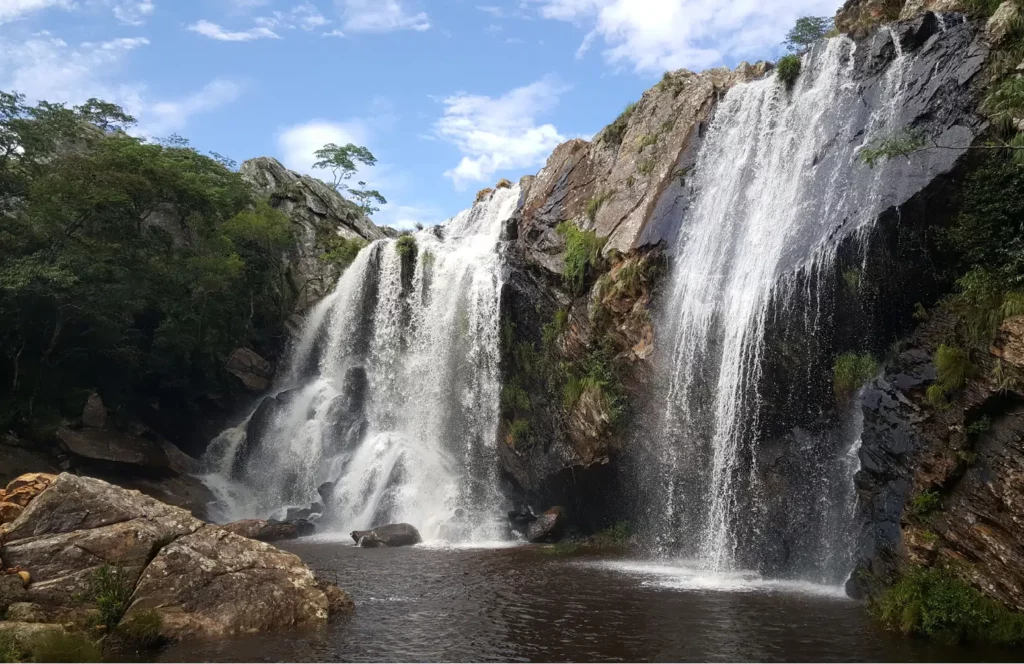
After a day of trekking, there is no better reward than a dip in Tessa’s Pool or the icy waters of the Bundi River. The water is so pure it’s often safe to drink straight from the source. For those staying closer to the village, Bridal Veil Falls is a must-see—a 50-meter silver ribbon of water cascading into a serene woodland glade, perfect for a picnic and a light stroll.
Chimanimani Pricing Guide 2026 (Estimated in ZAR)
Note: Prices are based on the March 2026 exchange rate of approx. 1 USD = 17.20 ZAR. Official payments are often requested in USD, but Rand is widely accepted in the region.
| Category | Entry Fee (Daily) | Camping/Overnight | Vehicle Entry |
| Local (Zimbabwean) | R51.60 | R86.00 | R51.60 |
| SADC Region | R137.60 | R137.60 | R172.00 |
| International | R172.00 | R137.60 | R172.00 |
Frequently Asked Questions (FAQ)
- Do I need a 4×4 to visit?
A 4×4 is recommended for the road to Mutekeswane Base Camp, especially in the rainy season. For the “Corner” area, a 4×4 is essential.
- Is it safe to drink the mountain water?
Generally, yes. The high-altitude springs are exceptionally pure, though many hikers use tablets for peace of mind.
- Are there wild animals in the park?
Yes, you can spot Eland, Sable, Klipspringer, and Samango monkeys, though they are shy. There are no dangerous predators like lions.
- Can I stay in a hotel instead of camping?
Yes, Chimanimani Village has several guest houses (like Frog & Fern) and lodges for those who prefer a bed over a cave.
- Is a guide mandatory?
No, but highly recommended for first-timers to avoid getting lost in the thick mists or “ghouts” that can descend quickly.
- What should I pack for the caves?
A high-quality 4-season sleeping bag, a camping stove, plenty of warm layers, and a waterproof jacket.
- How long is the hike to the Mountain Hut?
It typically takes 2 to 3 hours from Base Camp depending on your fitness level.
- Can I cross into Mozambique?
The border on the mountain is unmarked. While hikers often cross peaks, you should not attempt to enter Mozambique officially without proper visa clearances.
- Are there charging points for phones?
No. Once you leave the village, there is no electricity. Bring a solar power bank.
- Is there mobile reception?
Reception is very patchy in the mountains and non-existent in the deep valleys.