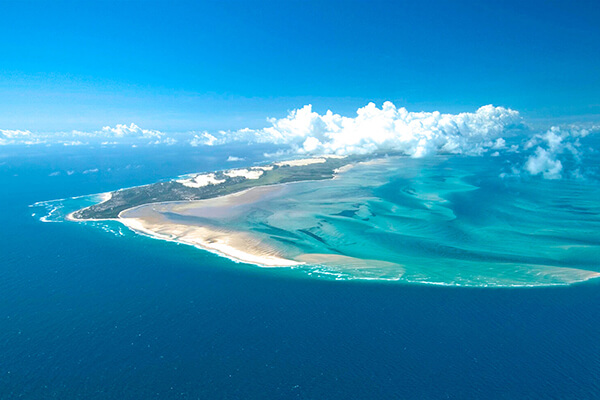
Hidden deep within southern Mozambique lies one of Africa’s least explored wilderness areas: Banhine National Park. Established in 1973 as part of the Great Limpopo Transfrontier Conservation Area, the park spans more than 7,000 square kilometres of remote floodplains, savannah, and seasonal wetlands.
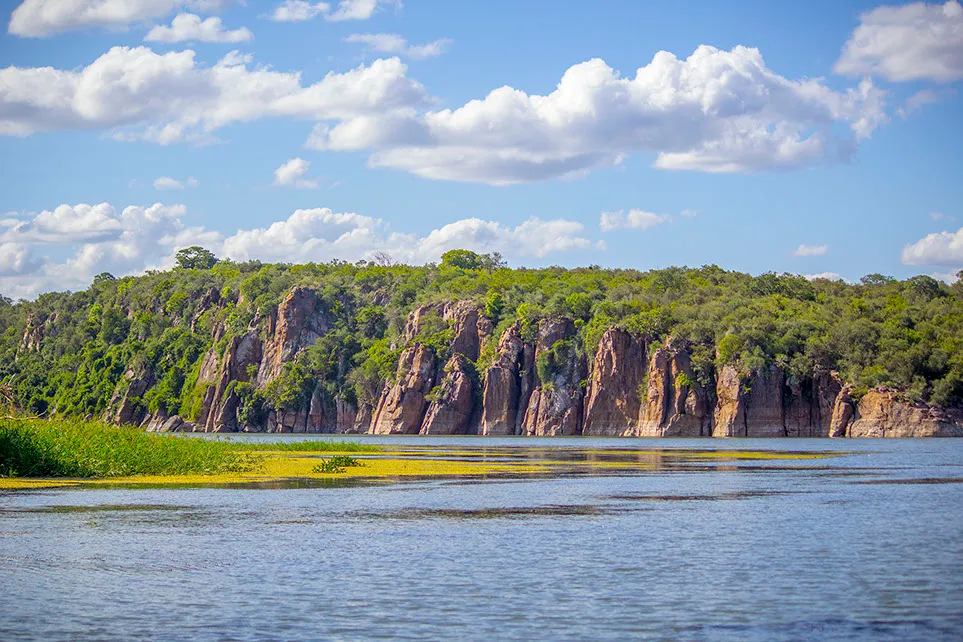
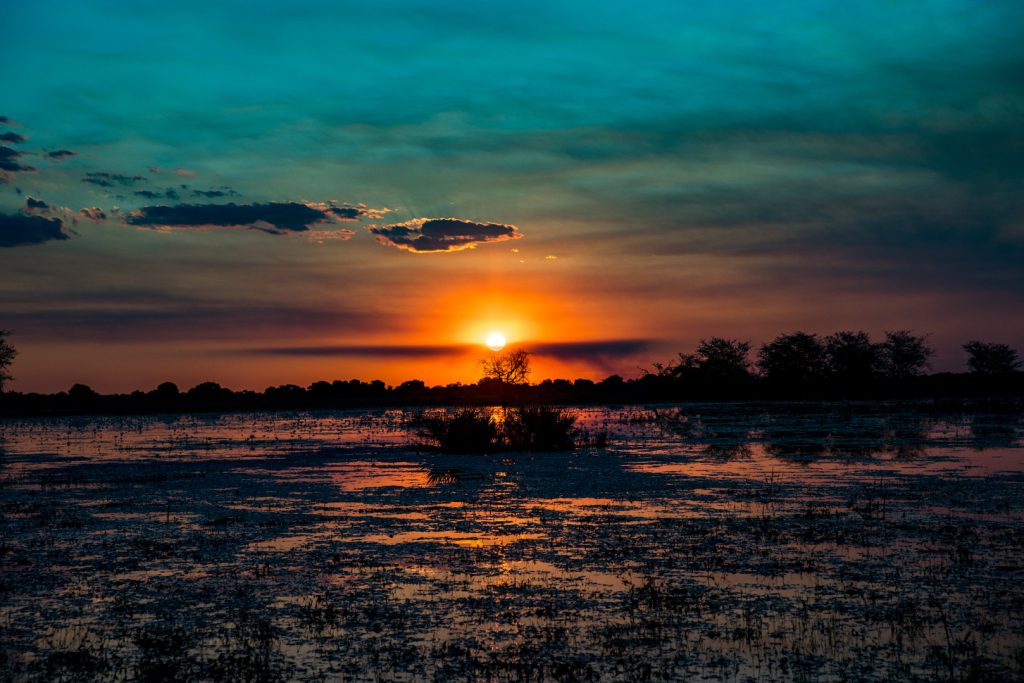
Unlike the dense tourist circuits of Southern Africa, Banhine offers true isolation and raw overland adventure. The park is famous for its vast grasslands and ancient pans that fill during the rainy season, transforming the region into a haven for birdlife and migratory animals.
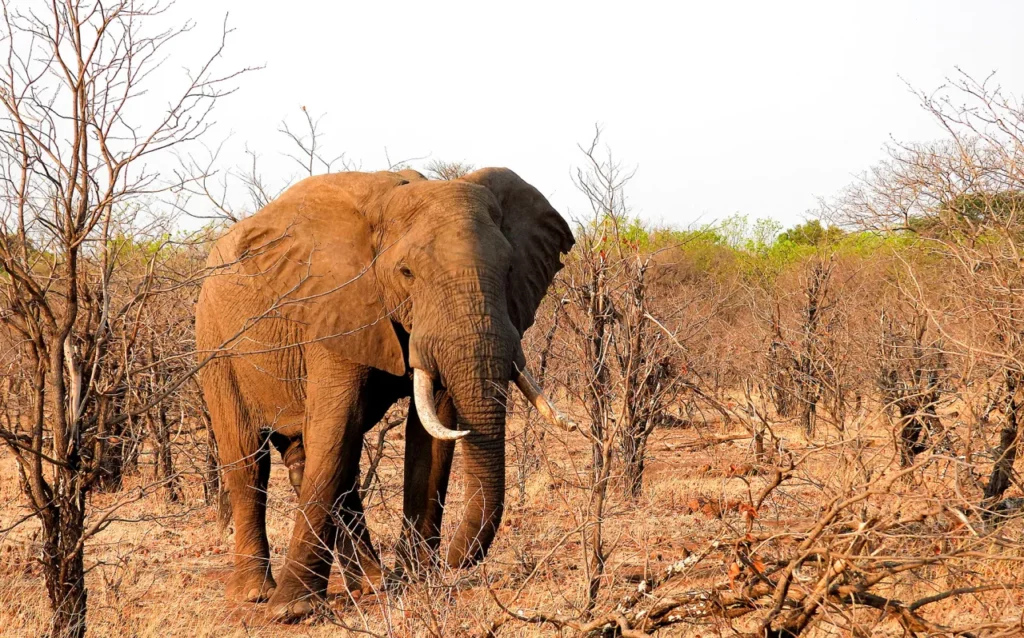
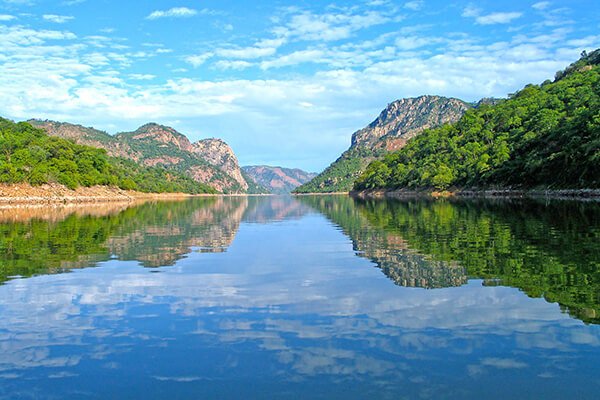
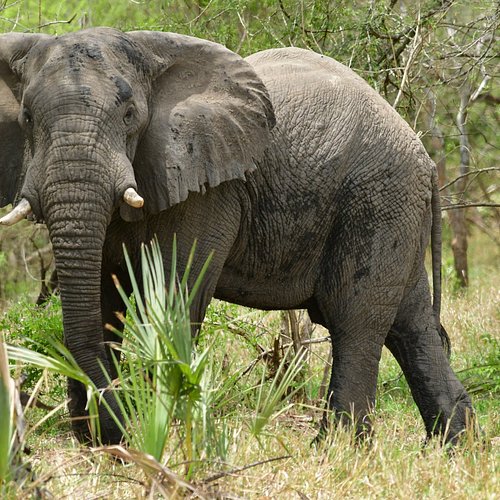
Years of conservation work have slowly restored wildlife populations after decades of regional conflict. Today, visitors may encounter elephant, sable antelope, kudu, zebra, wildebeest, and elusive predators moving through the wilderness. The park is also one of Mozambique’s best-kept secrets for birdwatching, with species thriving around the seasonal wetlands.
For overlanders and 4×4 enthusiasts, Banhine is not just a safari destination-it is an expedition into one of Southern Africa’s last truly wild frontiers.

Frequently Asked Questions (FAQ)
1. Where is Banhine National Park located?
The park is situated in southern Mozambique, within Gaza Province, northeast of Maputo.
2. What is the best time to visit?
The dry season (May-September) is the best time for travel and wildlife viewing, as roads are more accessible and animals gather near water sources.
3. What are the park entry fees for 2026?
Park fees are relatively affordable compared to other Southern African parks, with international visitors paying approximately MZN 400-600 per person, excluding vehicle fees and camping permits.
4. Can I self-drive in Banhine?
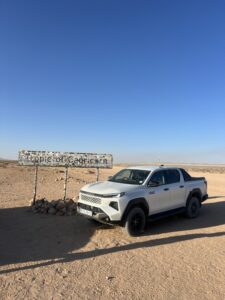
Yes, but only with a well-equipped high-clearance 4×4. Deep sand, remote tracks, and limited recovery support make this a destination suited for experienced overlanders.
5. What wildlife can I expect to see?
Visitors may encounter elephant, zebra, kudu, sable, reedbuck, wildebeest, crocodiles, and a variety of bird species. Wildlife sightings can be unpredictable due to the park’s vast and wild nature.
6. Are there lodges inside the park?
Accommodation options are extremely limited. Most visitors camp or travel fully self-sufficiently.
7. Is Banhine a malaria area?
Yes, malaria is present throughout the region. Visitors should consult a medical professional before travelling.
8. What are the road conditions like?
Roads can be very challenging, especially after rains. Recovery gear, spare tyres, extra fuel, and satellite navigation are highly recommended.
9. Can beginners visit the park?
Banhine is better suited to experienced overlanders due to its remoteness and lack of infrastructure.
10. What should I pack?
Extra fuel, drinking water, camping equipment, recovery gear, a compressor, medical supplies, and offline maps are essential.
Accommodation & Contact Details
| Accommodation Type | Example Provider | Estimated Price (2026) | Contact Info |
| Bush Camping | Banhine National Park Campsites | ~MZN 800-1,500 per campsite | anac.gov.mz |
| Guided Expedition | African Parks | Varies by operator | africanparks.org |
| Overland Support | Kambako Safaris | Custom pricing | kambako.com |