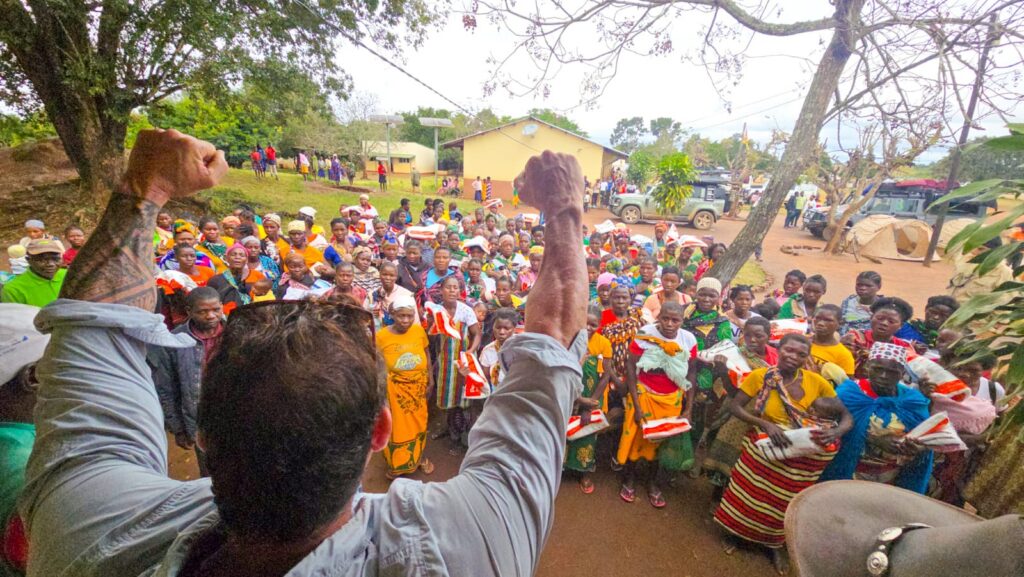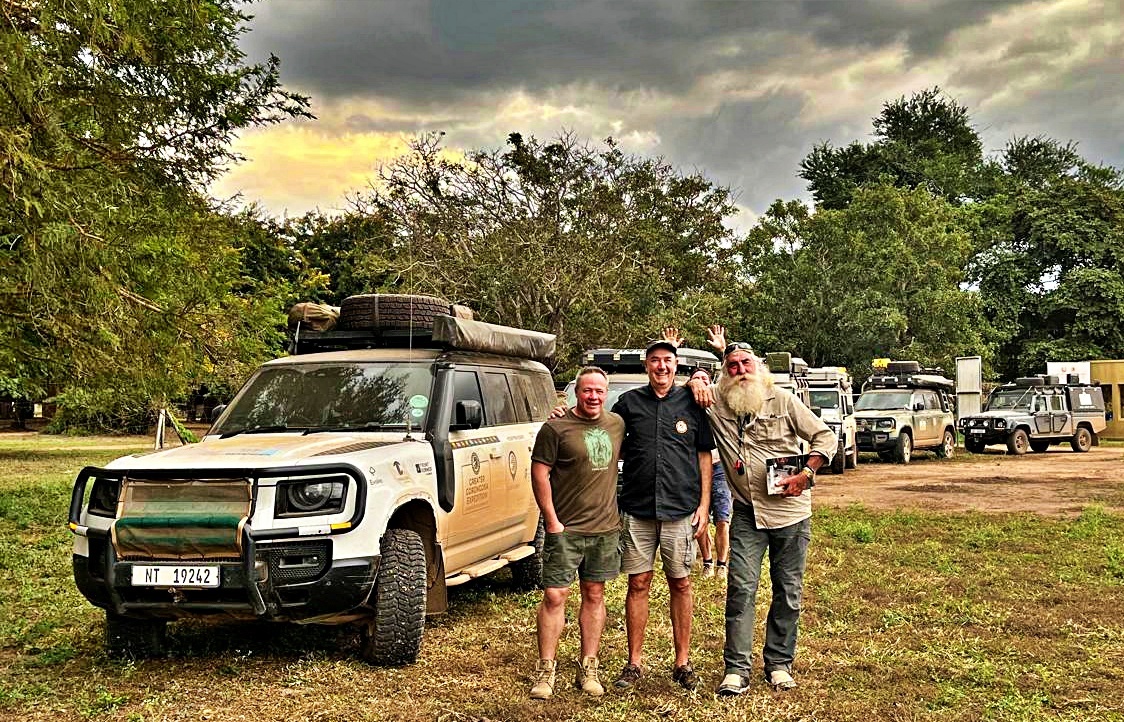
The Kingsley Holgate Foundation has long been known for its big journeys into some of Africa’s most remote corners. Led by explorer Kingsley Holgate, often referred to as the most travelled man in Africa, the Foundation has built a reputation for combining adventure with a very practical humanitarian purpose. These expeditions are not undertaken simply to reach far-flung destinations, but to deliver real support to communities that are often cut off from basic services.
A key focus of the Foundation’s work is malaria prevention, particularly among pregnant women and mothers with young children – the group most vulnerable to the disease. According to the World Health Organisation, malaria claims more than 500 000 lives globally every year. Through its expeditions, the Foundation has distributed close to half a million mosquito nets, helping to protect an estimated 1.4 million people across the continent.
Supporting this effort is the “Tchau Tchau Malaria” project – Portuguese for “Goodbye Malaria” – pioneered by Nando’s and supported by the Foundation. The programme is a large-scale indoor residual spraying campaign operating in southern Mozambique, aimed at protecting local communities while also reducing the spread of malaria into neighbouring Eswatini, as well as South Africa’s KwaZulu-Natal and Kruger National Park regions. Of the 3 000 permanently employed sprayers involved in the project, 60% are women, adding an important social upliftment element to the initiative.
Alongside malaria prevention, the Foundation also addresses another widespread but often overlooked challenge in remote areas: poor eyesight. Many elderly people in rural communities struggle with basic daily tasks simply because they do not have access to reading glasses.

The Foundation’s Mashozi’s Rite to Sight campaign was launched to address this need. According to the World Health Organisation, around 246 million people worldwide have low vision, with roughly 90% living in developing countries. Through its expeditions, the Foundation distributes reading glasses to people in isolated regions, restoring independence and quality of life. Since the campaign began, more than 224 000 people have benefited.
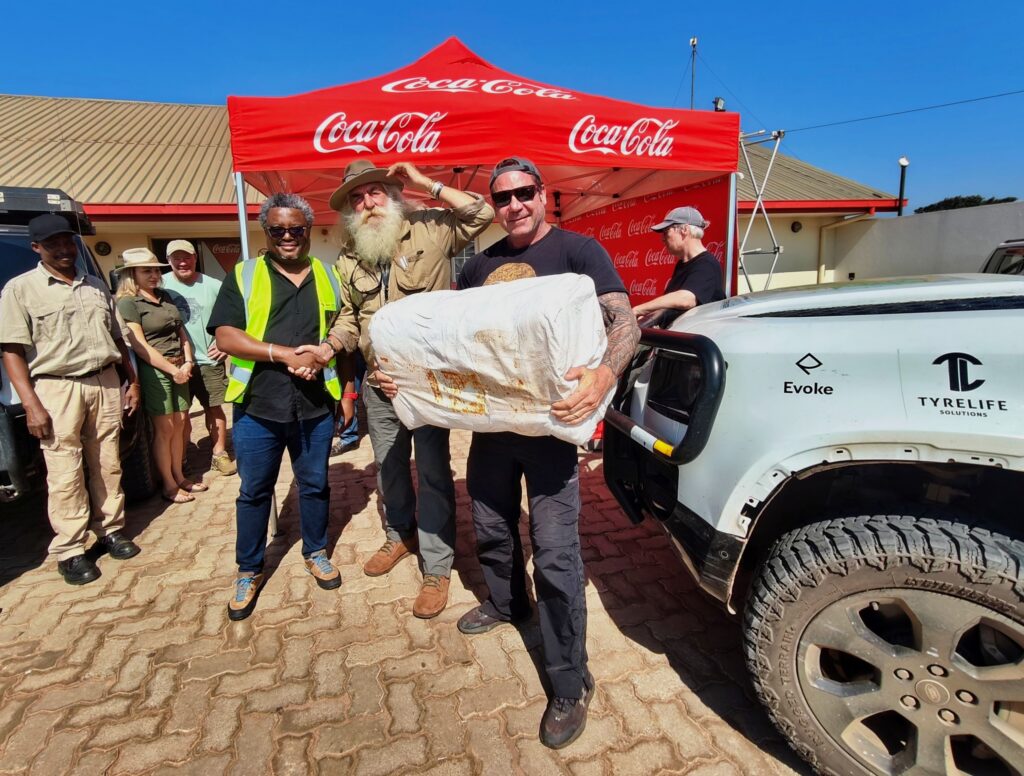
Access to safe drinking water is another critical issue tackled by the Foundation. In many rural communities, contaminated water sources remain the norm, leading to the spread of waterborne diseases such as dysentery and cholera. These illnesses are responsible for an estimated 1.5 million child deaths every year.
To help address this, the Foundation distributes Vestergaard LifeStraw water filters during its expeditions. These portable filters remove 99.9% of waterborne parasites, allowing people to safely drink from rivers, dams and other untreated water sources. To date, more than 36 000 LifeStraw units have been distributed to communities in need.
Having completed more than 40 expeditions and travelled through all 54 countries on the African continent, the Foundation has learned that success depends on every part of the team working reliably in harsh conditions. That team includes the vehicles used to reach areas where conventional transport simply cannot go.
For more than two decades, Defender vehicles have supported the Foundation’s expeditions, providing the durability and capability needed to carry people and humanitarian supplies deep into remote regions. Recent journeys such as the Greater Gorongosa and Afrika Odyssey expeditions alone covered well over 150 000km in the new-generation Defender.

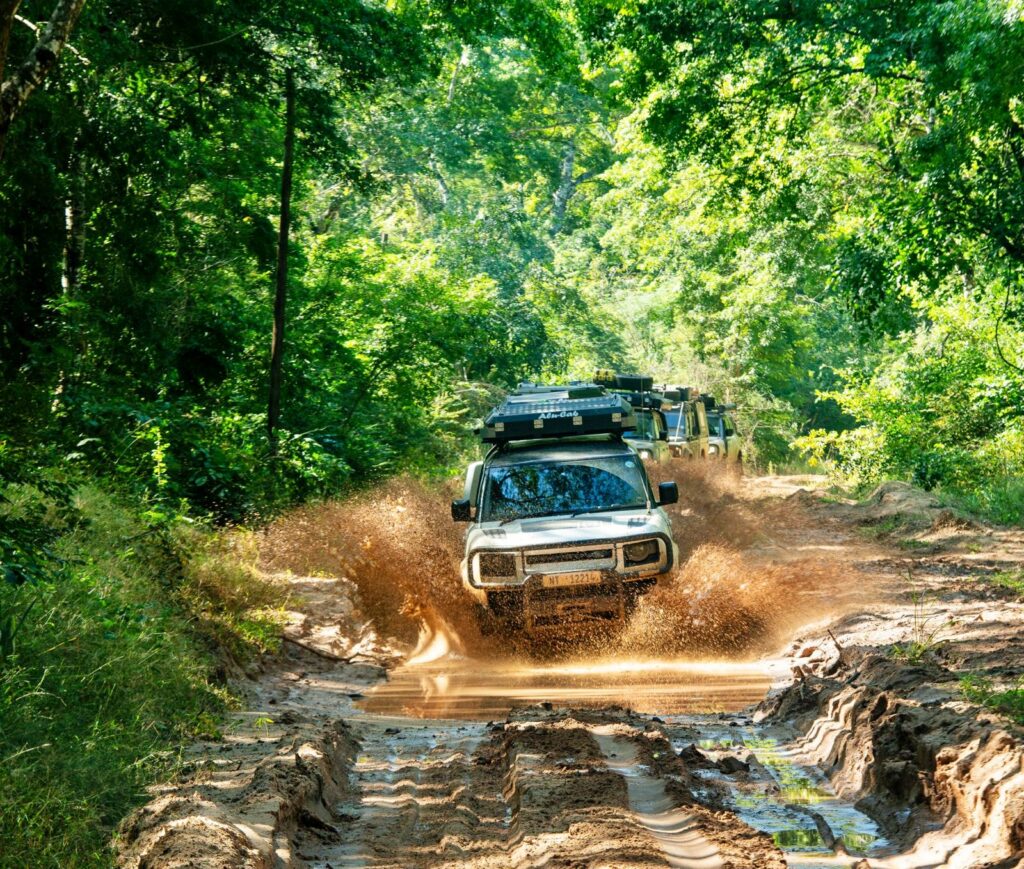
The partnership was recently strengthened with the delivery of two new Defender 130 vehicles ahead of the Africa Traverse expedition. The Defender 130 Outbound models offer up to 2 516 litres of load space, or 1 329 litres with the second-row seats in use, making them well suited to the demands of long-distance humanitarian travel.
Their all-wheel-drive systems and Terrain Response 2 technology are supported by electronic air suspension and adaptive dynamics, allowing up to 430mm of articulation and a wading depth of 900mm. Additional expedition equipment includes raised air intakes, roof racks and ladders, side-mounted gear carriers for wet or muddy items, underbody protection plates, as well as a winch and integrated compressor to assist with recoveries and tyre pressure adjustments.
For the Kingsley Holgate Foundation, these vehicles are not about image or marketing. They are tools that make it possible to reach people who would otherwise be forgotten, turning challenging journeys into opportunities to improve – and in many cases save – lives across Africa.