The Jeep Wrangler is an institution – a vehicle that has built its reputation on off-road prowess, rugged durability, and a sense of adventure that few other vehicles can match. With the introduction of the 2.0-litre turbocharged four-cylinder engine, has Jeep taken a step forward, or has it simply added complexity without much real-world benefit? We took the latest iteration for a spin to find out.
First impressions: Familiar but different
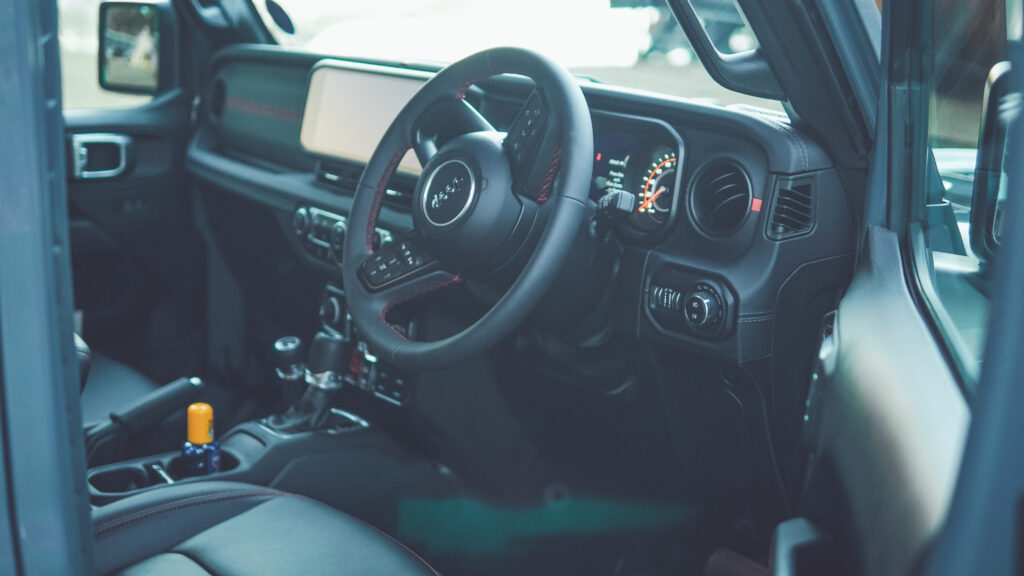
At first glance, the new Wrangler doesn’t seem all that different from its predecessors. It still boasts the boxy, utilitarian styling that makes it instantly recognisable. However, step inside, and you’ll notice a few modern touches. The cabin has been subtly updated with improved materials and additional tech, including a new 12.3-inch touchscreen running the Uconnect 5 system, adaptive cruise control, blind spot monitoring, and six airbags. The removable roof panels and doors are still present, reinforcing the Wrangler’s commitment to open-air adventure.
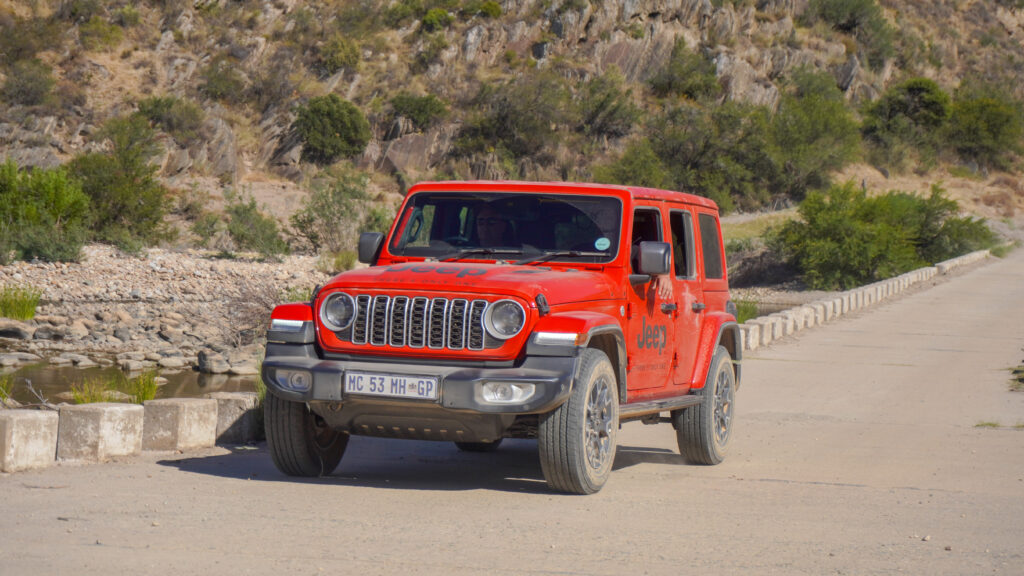
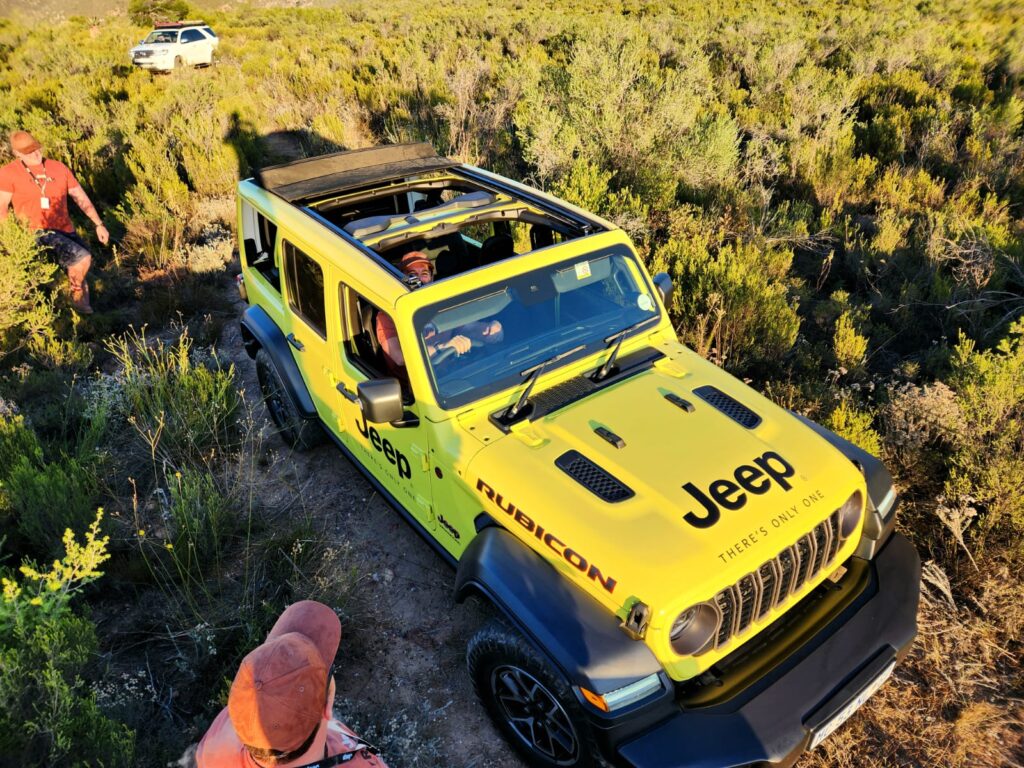
One of the most exciting new additions is the Sky One-Touch Power Top, a fully electronic roof that can be opened or closed at the push of a button, adding a new level of convenience to the Wrangler’s open-air experience.

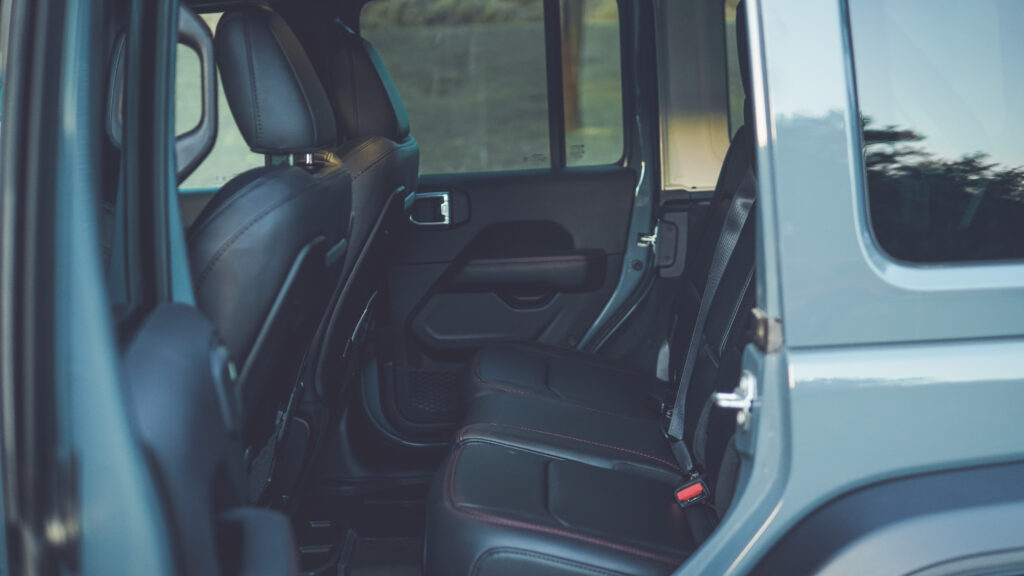
Jeep has also worked on making the cabin much quieter than previous iterations. Wind and road noise have been significantly reduced, making highway driving far more comfortable. The Rubicon variant, however, still suffers from some noise due to its aggressive off-road tyres.
However, the biggest talking point is what lies under the bonnet. The 2.0-litre turbocharged four-cylinder replaces the naturally aspirated 3.6-litre Pentastar V6, promising improved efficiency and better emissions compliance. But does it actually deliver?
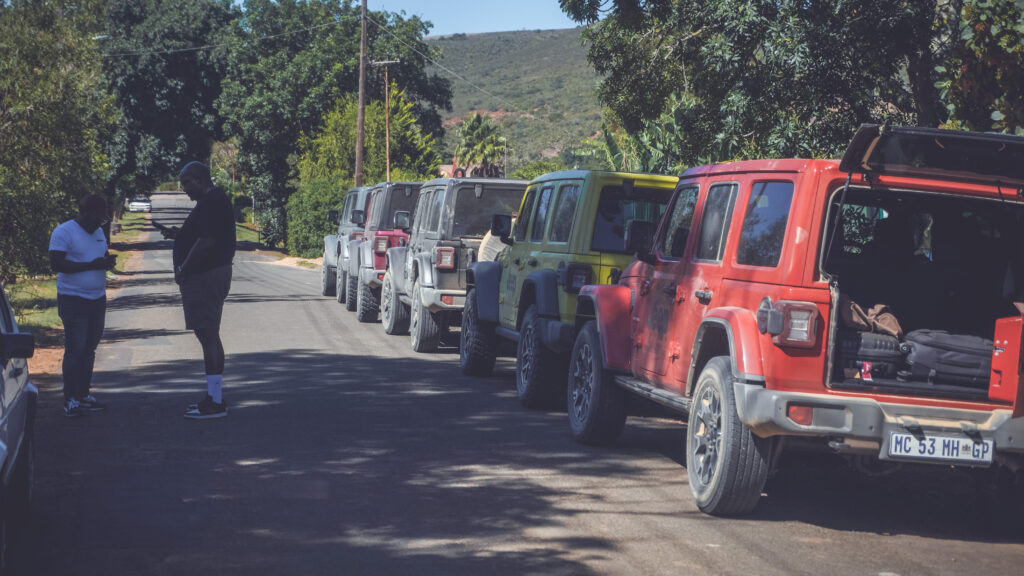
Performance and handling: A mixed bag
The new turbocharged engine produces 200kW and 400Nm of torque, which on paper seems impressive. In reality, it does feel peppier than the outgoing V6, with a noticeable surge of low-end torque. On-road, the Wrangler is far more refined than it used to be. Previous models were notorious for their vague steering and wandering front end, but Jeep seems to have addressed this issue, making the drive more stable and composed.
Yet, there’s an elephant in the room – or rather, a very thirsty elephant. Despite the smaller displacement, fuel consumption is still remarkably high. Across a mix of tar, gravel, and some highway driving, we struggled to get figures below 13 litres/100km, with consumption frequently creeping up to 17 litres/100km. This is territory usually reserved for V8-powered off-roaders, and for many, it negates any theoretical efficiency benefits of downsizing.
Off-road capability: Still a beast
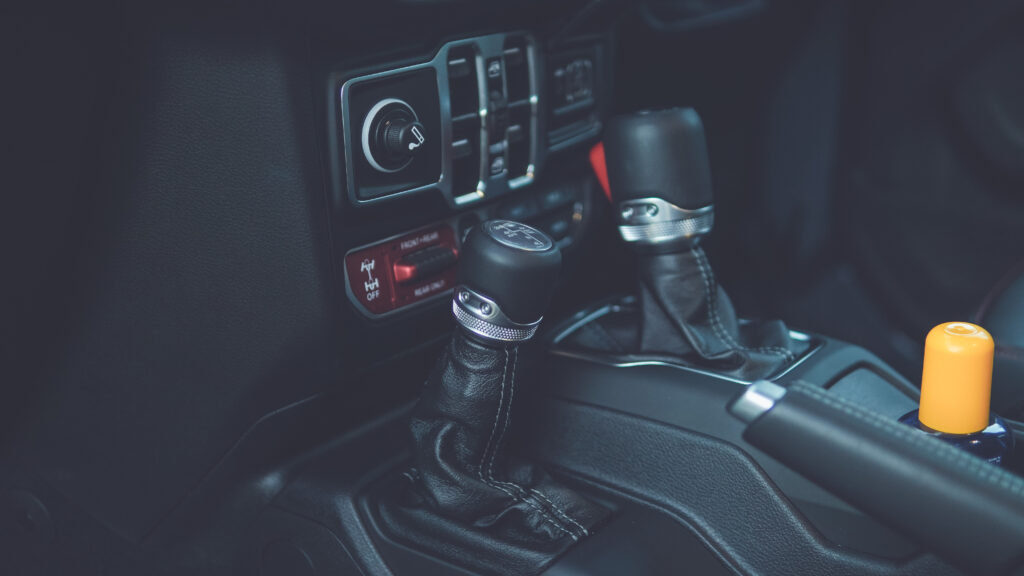
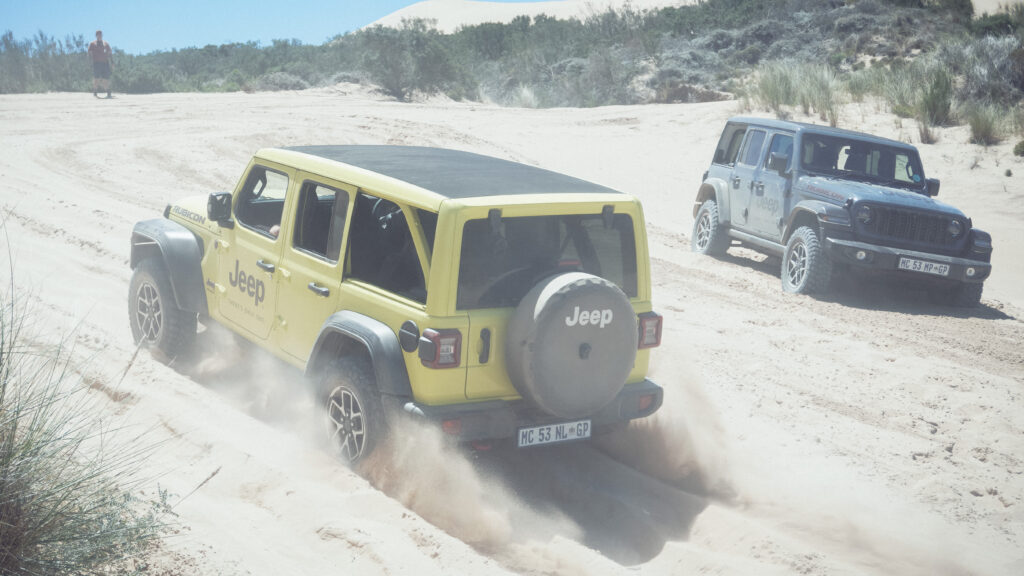
Let’s be honest – nobody buys a Wrangler for its fuel economy. The real test is off-road, and here, the Jeep remains as capable as ever. The Rubicon variant, with its front and rear locking differentials, rock rails, and disconnecting sway bars, is particularly impressive. If you’re into serious rock crawling, you’d be hard-pressed to find a more capable factory-standard vehicle.
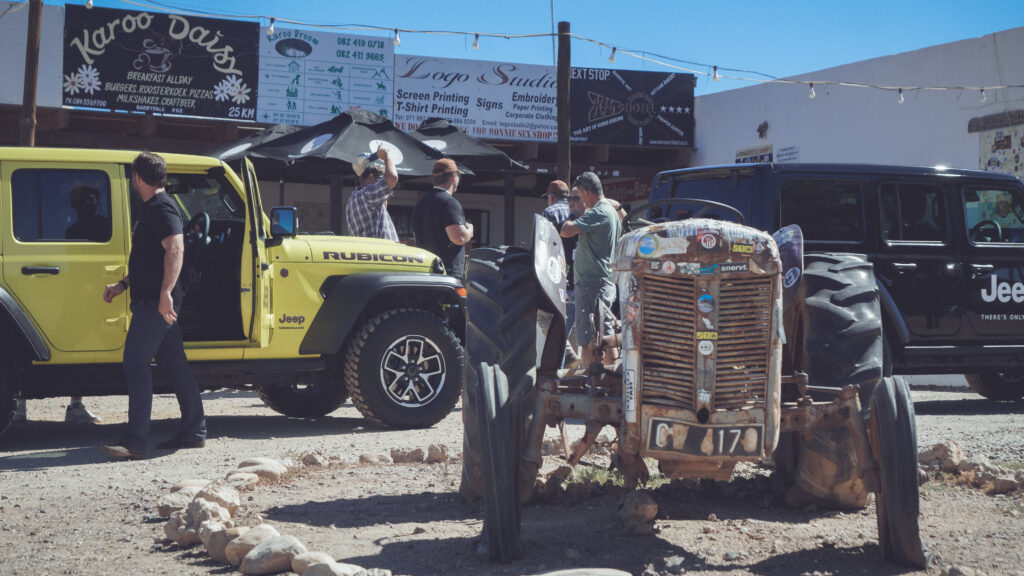
Even in the Sahara and Sport trims, the Wrangler still delivers plenty of fun. It offers excellent ground clearance, solid axles, and durable skid plates that protect vital components. The removable doors and roof panels allow you to immerse yourself in the environment fully, making for an experience that no other vehicle at this price point can quite match.
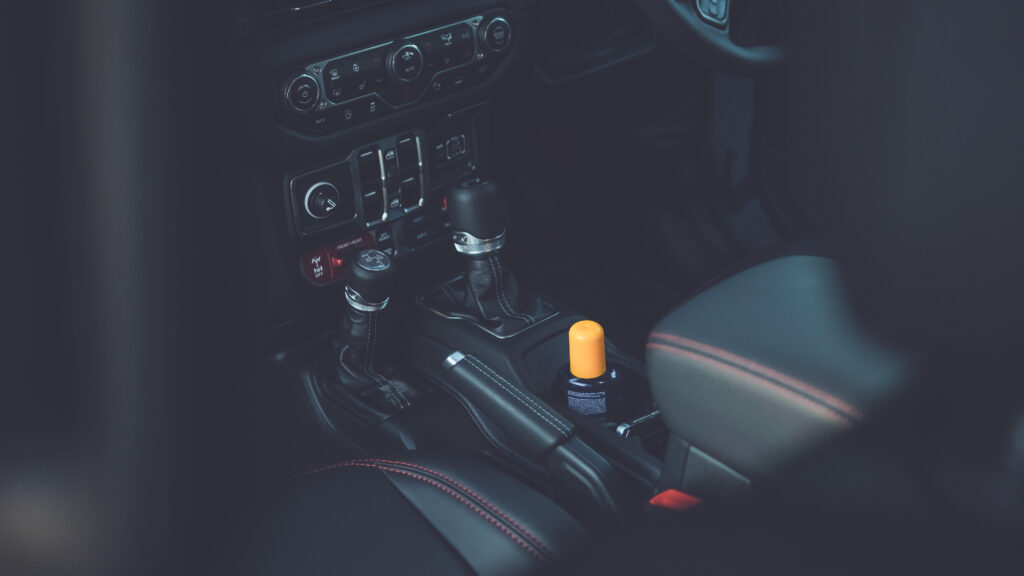
The new Selec-Trac full-time four-wheel-drive system also enhances the vehicle’s usability, automatically shifting power between the front and rear axles when needed. This makes everyday driving much smoother while still providing legendary off-road capability.
New features for 2025
Jeep has not only updated the powertrain but also introduced several modern enhancements in this latest iteration. The most notable changes include:
- 12.3-inch touchscreen with Uconnect 5 – A significant upgrade in infotainment, offering better connectivity and ease of use.
- Sky One-Touch Power Top – A fully electronic soft-top roof that can be opened or closed at the press of a button.
- Improved safety features – Blind spot monitoring, adaptive cruise control, and six airbags for enhanced protection.
- Stronger interior materials – Jeep claims the new interior is more durable and easier to clean.
- Improved aerodynamics – Slight refinements have been made to reduce drag and improve efficiency (though fuel consumption figures remain high).
- Retuned suspension – Aims to provide better on-road comfort without compromising off-road performance.
- Quieter cabin – Sound insulation improvements make the Wrangler more refined on long journeys.
The competition: Tough choices
At a starting price of around R999 900 for the Sport model, R1.1 million for the Sahara, and R1.27 million for the Rubicon, the Wrangler finds itself in an interesting position. This is a space occupied by some formidable competitors.
For similar money, you could have a Ford Ranger Raptor, which offers three diff locks, a significantly more comfortable ride, and a powerful twin-turbo engine. You could also stretch slightly and get a Toyota Land Cruiser 76, known for its bulletproof reliability and long-distance comfort. The Ineos Grenadier is another option for those looking for rugged off-road ability with a more European feel.
And then there’s the Suzuki Jimny – the tiny but mighty alternative that offers a similar stripped-down, off-road-focused experience for less than half the price.
The verdict: Who is this for?
So, is the 2.0-litre turbo Wrangler an improvement? That depends on what you’re looking for. If you want a fun, capable off-roader that doesn’t take itself too seriously, the Wrangler remains a fantastic choice. The updates have made it more comfortable, more refined, and arguably more usable as a daily driver … though fuel consumption remains a concern.
For hardcore off-road enthusiasts, the Rubicon is still one of the most capable factory-built machines on the market. But if efficiency and practicality are your priorities, there are better choices out there.
At the end of the day, the Wrangler is more of a lifestyle choice than a logical purchase. If you’re drawn to the Jeep way of life – doors off, roof down, music blasting, and trails ahead – then nothing else quite compares.