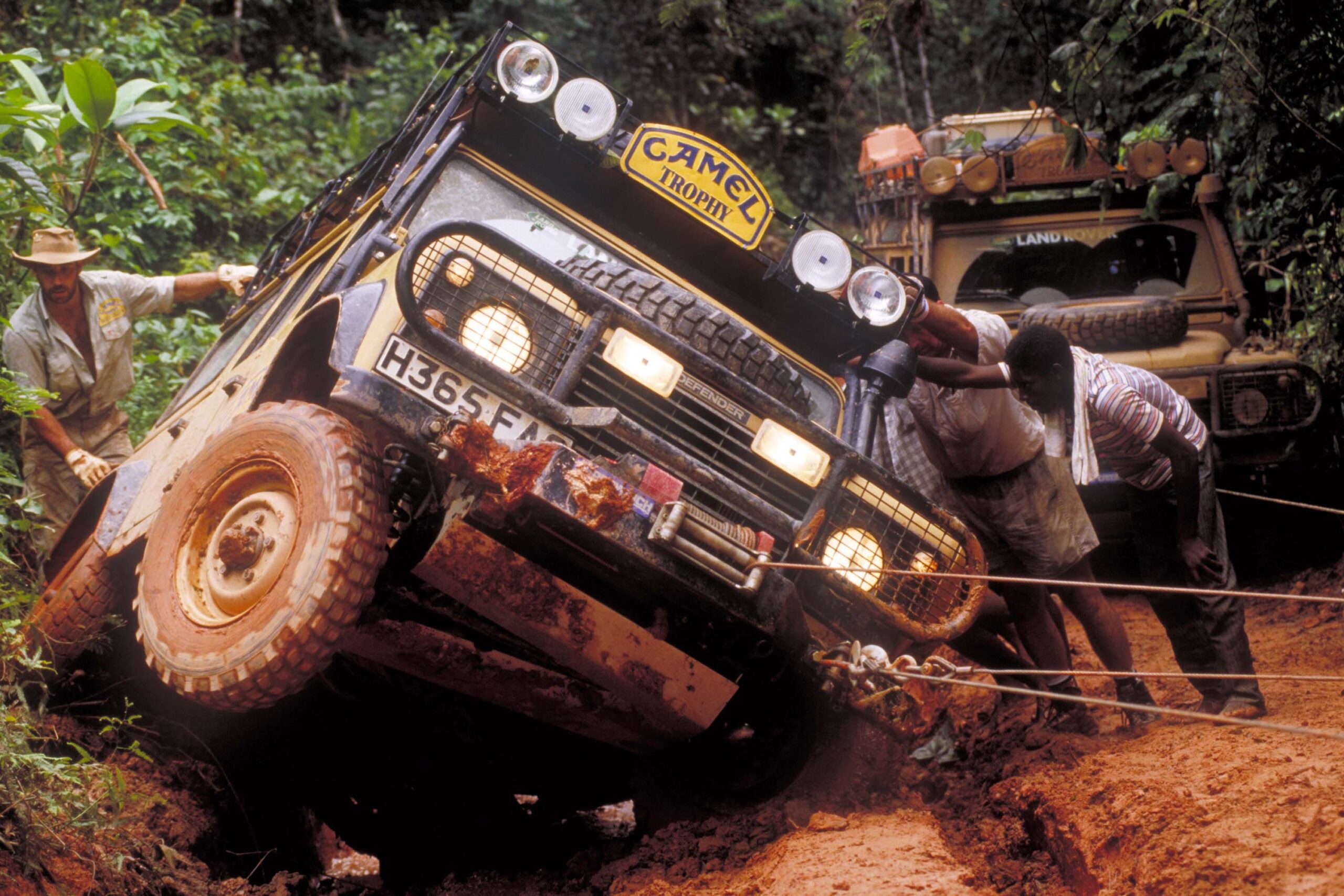
How the world’s toughest 4×4 challenge evolved
There are few names in the world of serious 4×4 adventure that carry the same weight as the Camel Trophy. From its unlikely beginnings in the Amazon rainforest in 1980 to its final official outing two decades later, the event forged a reputation as the ultimate test of human endurance, mechanical resilience and teamwork. It was never a race in the conventional sense. Instead, it became a moving expedition, a rolling experiment in survival, and a benchmark against which all other overland challenges would be measured.
Origins: A one-off turned global phenomenon
The very first event that would evolve into the Camel Trophy was not intended to become an annual contest. In 1980 a group of six Germans embarked on an ambitious drive along the Trans-Amazonian Highway in Brazil, covering treacherous terrain from Belém to Santarém over thousands of kilometres. They did so in Ford U50s – essentially locally built Jeep-style vehicles – and returned with stories that ignited imaginations in adventure circles.
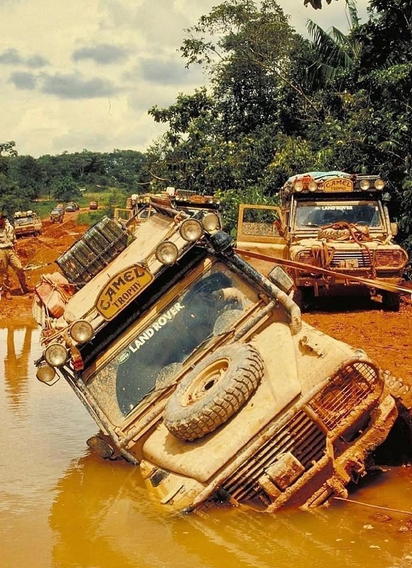
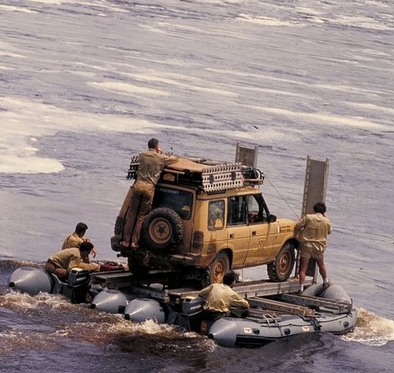

These early images of rugged explorers battling jungles, rivers and remote wilderness with nothing but grit inspired both the tobacco brand Camel – then owned by RJ Reynolds – and Land Rover to consider a larger-scale challenge. Camel provided sponsorship and marketing energy; Land Rover supplied vehicles ideally suited for wild terrain. From 1981 onward, Land Rover vehicles in distinctive “Sandglow” yellow became the backbone of the event.

Thus was born the annual Camel Trophy competition – a hybrid of adventure expedition and technical driving challenge, though not strictly a race. Teams represented their nations, typically consisting of pairs of amateur competitors selected through local trials. The emphasis was on endurance, navigation, mechanical capability and teamwork more than outright speed.
What made Camel Trophy unique?
Unlike conventional motorsport events, the Camel Trophy blended expedition travel with physical challenges. It was less about setting the fastest time than completing extremely demanding routes under extremely harsh conditions. Teams often had to:
- Navigate dense rainforests, swamps and river crossings
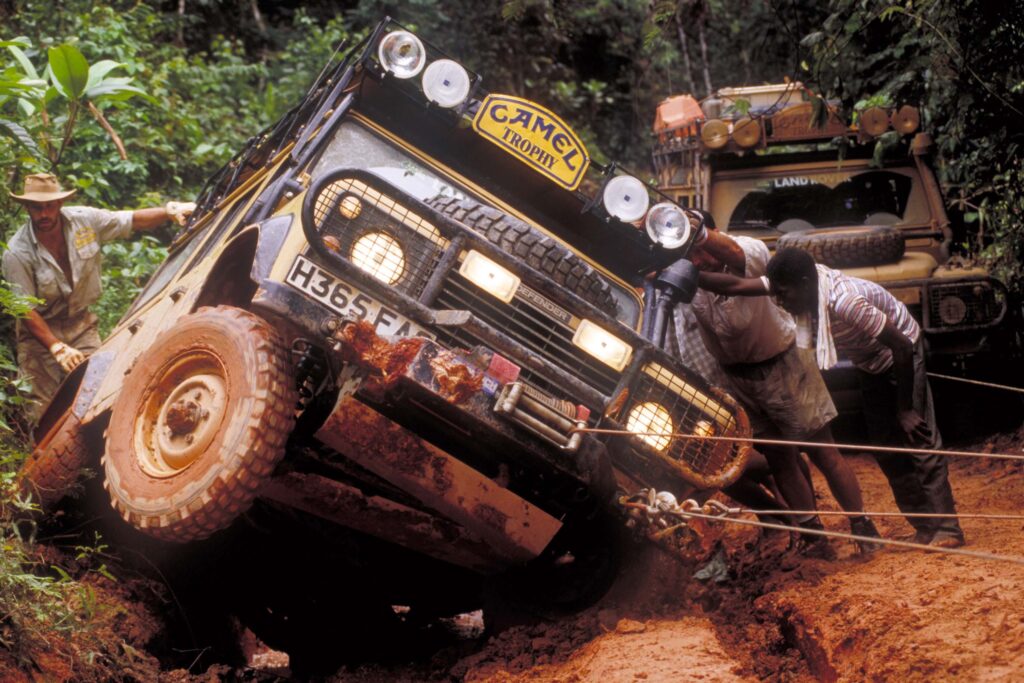
- Conduct vehicle recoveries and repairs on the fly
- Complete timed “Special Tasks” such as winching, orienteering and more
- Test physical fitness through kayaking, mountain biking and other elements introduced over time
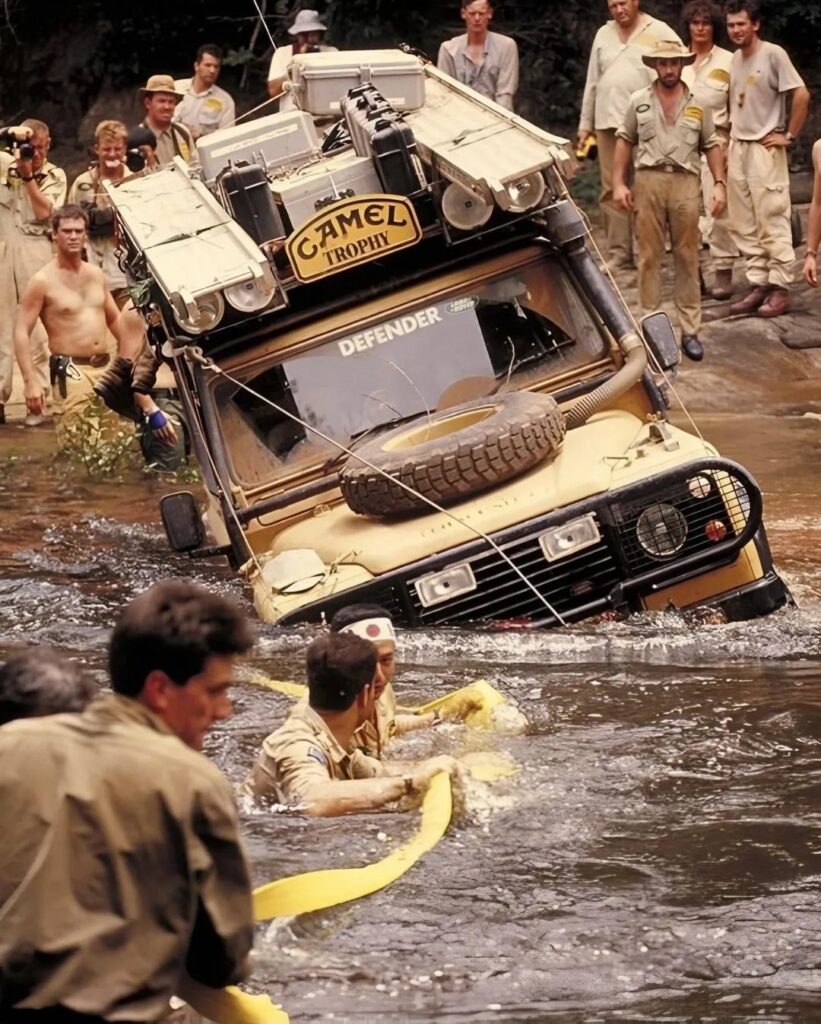
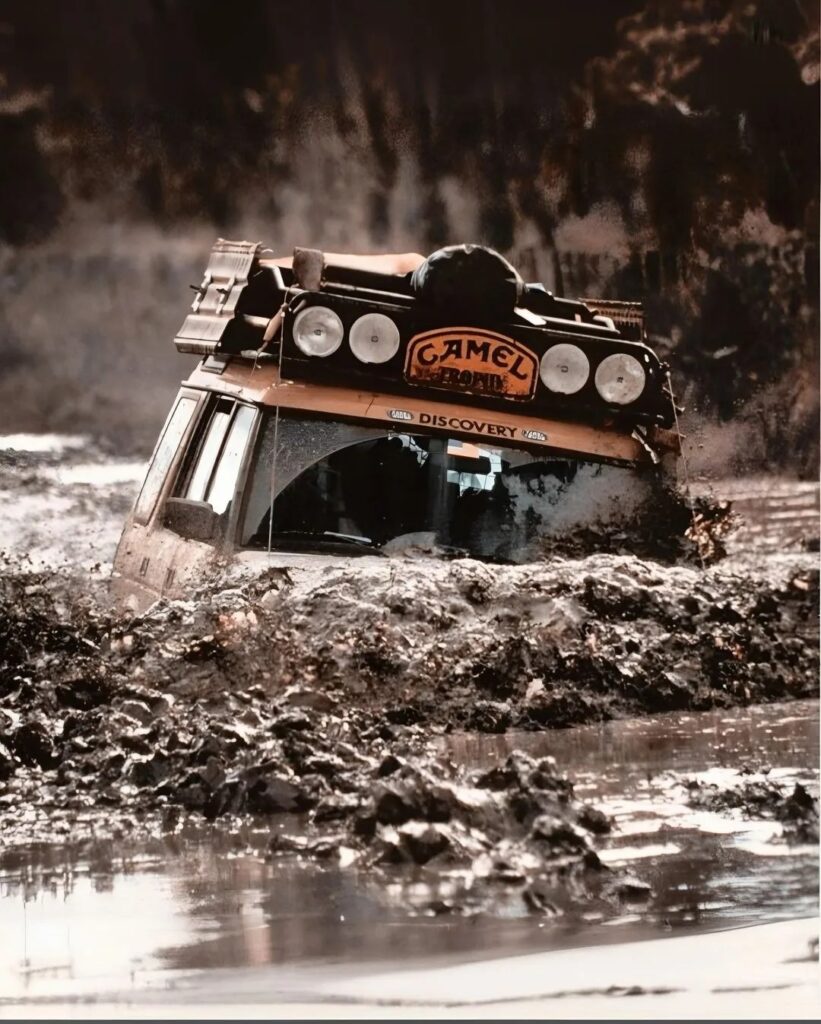
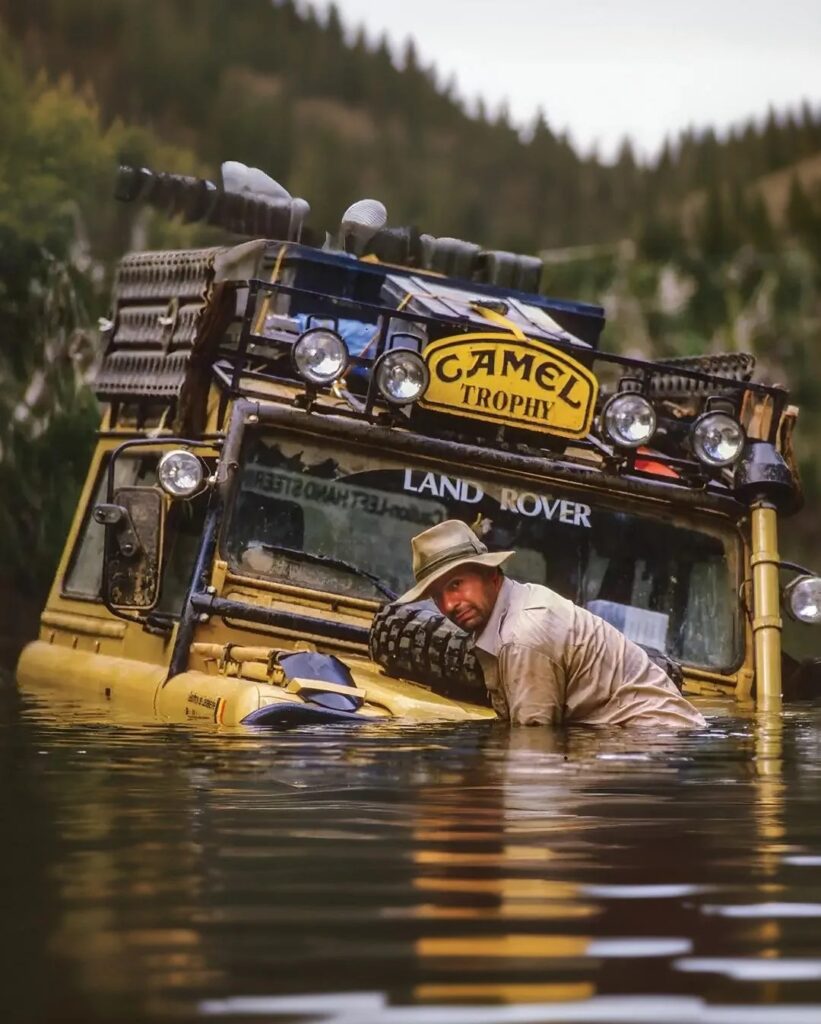
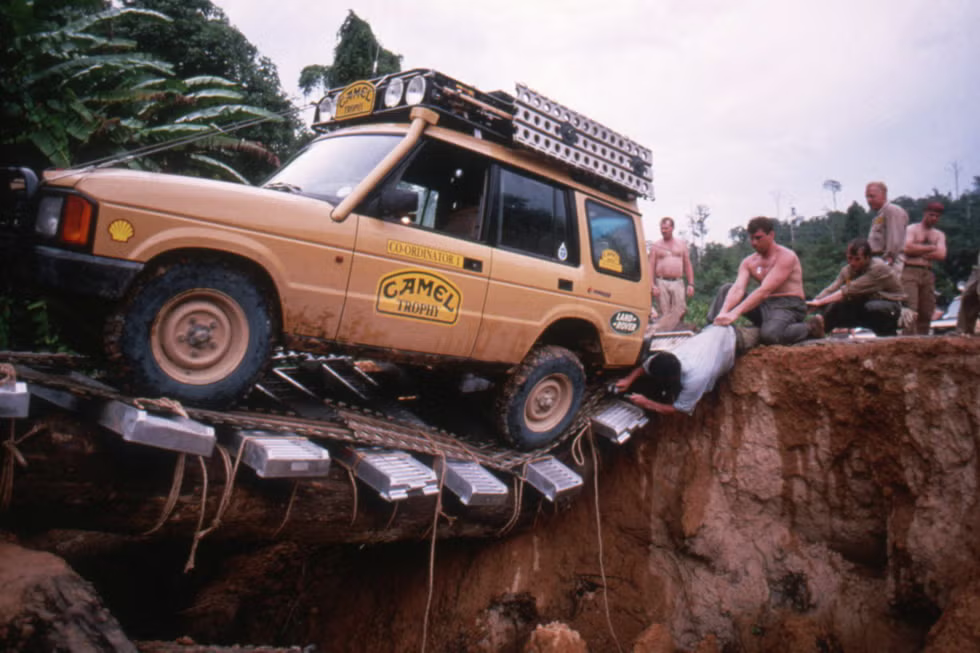
The vehicles used were heavily modified by Land Rover Special Vehicles, with features like roll cages, winches, snorkels, skid plates, roof racks and enhanced recovery gear, giving them both capability and the iconic look that’s closely associated with the Trophy today.
The media imagery of those distinctive yellow Land Rovers – battered yet triumphant – became an effective marketing tool. For Camel cigarettes, the event came to symbolise rugged rugged individualism and adventure; for Land Rover it became a showcase of vehicle capability in the most extreme real-world conditions.
Iconic locations and epic routes
Over its two decades, the Camel Trophy visited many of the world’s most challenging and exotic environments. Although the very first run was in Brazil, subsequent years saw the competition take place across the globe, including:
- Indonesia (Sumatra, Borneo, Sulawesi)
- Papua New Guinea rainforest wilderness
- Zaire (now Democratic Republic of the Congo)
- Australia outback
- Madagascar’s diverse terrain
- Siberia’s frozen expanses
- Tanzania and Burundi overland routes
- Guyana and other South American wilds
- Mongolia’s vast steppes
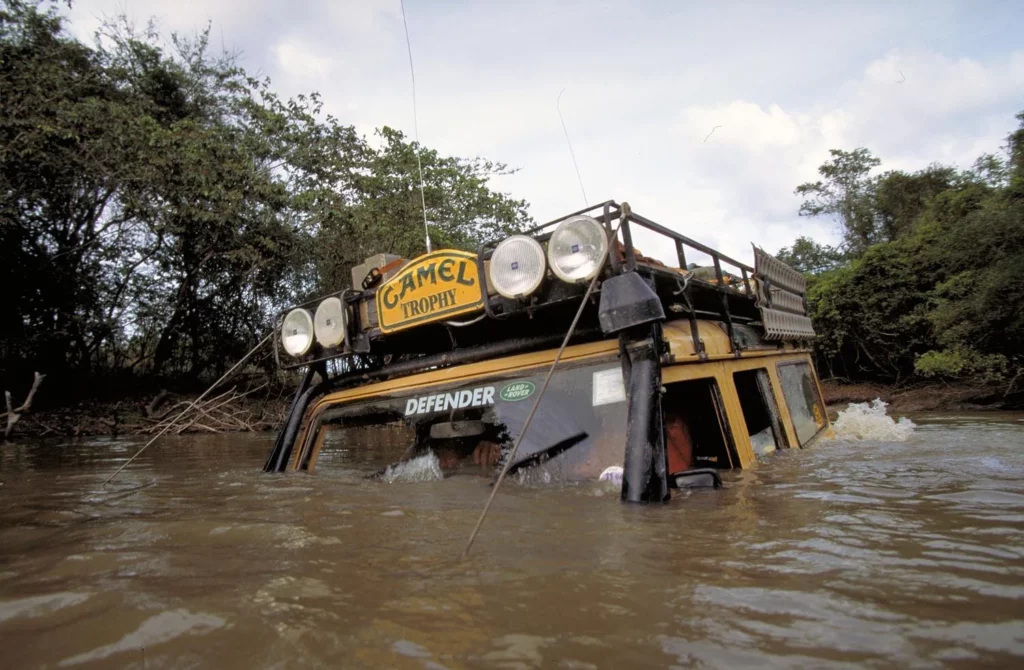
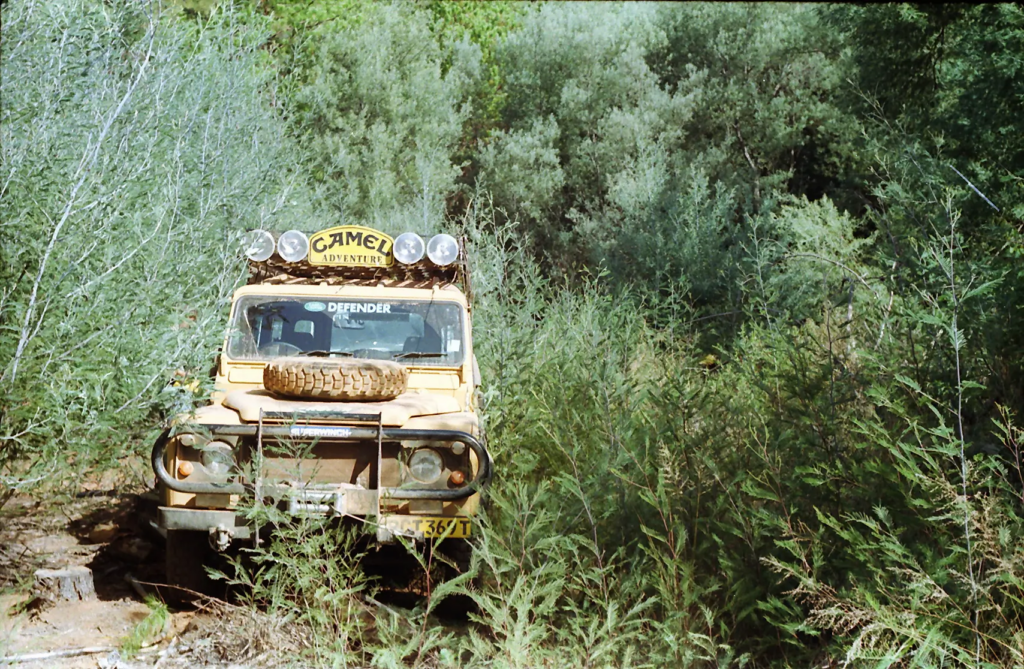
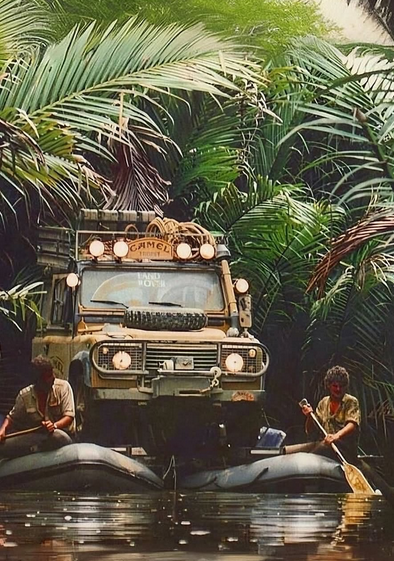
The breadth of terrain meant the event was never the same twice – and it became known informally as the “Olympics of 4×4”, reflecting both its global scale and the respect it commanded among enthusiasts.
Expansion and evolution through the ’80s and ’90s
As the number of participating nations grew, so too did the complexity of the challenge. By the late 1980s, the event was as much about human endurance as vehicle capability. Thousands of hopefuls would apply each year, yet only a handful would actually make it into the final team field.
The late ’80s and early ’90s editions increasingly introduced additional tasks that pushed teams outside purely driving challenges – including kayaking, mountain biking and navigational tasks – reflecting a broader view of adventure. These elements would later play an influential role in successor events.
Among the group’s highlights were monumental drives in Australia, Madagascar, Siberia and remote parts of Central Asia. The vehicles themselves evolved with successive Land Rover models – from Range Rovers and Series III Land Rovers to Defenders, Discoverys and even Freelander models, each tailored for the conditions.
Camel Adventure in South Africa
International sanctions in the early 1990s initially excluded South African competitors from the international Camel Trophy scene. Undeterred, local Land Rover enthusiasts and businessmen organised a locally focused competition called the Camel Adventure, running from around 1992 to 2000. This was essentially South Africa’s own selection and competitive event mirroring the original Trophy format, involving intense 4×4 challenges, training and preparation events leading to national team selection.
After democracy advanced in South Africa, and international barriers fell, the South African national team was eventually invited to take part in the official Camel Trophy. The first significant international outing came in the 1994 event in Argentina, Chile and Paraguay, where South African representatives competed among the world’s best.
South African competitors held their own with commendable results, including high placements and awards like the Team Spirit award in subsequent years. This legacy helped cement South Africa’s reputation within the global 4×4 adventure community and fostered a lifelong passion for expedition-style off-roading in the region.
Challenges and the event’s demise
By the late 1990s, the Camel Trophy had undergone significant changes. The incorporation of more adventure sports elements – such as cycling and kayaking – started to overshadow the pure overland driving focus that had been central to the event’s identity. These shifts were divisive; some praised the broader test of skill, others felt the essence of the 4×4 adventure was being diluted.
In 1998’s Tierra del Fuego event, teams tackled long distances across some of South America’s most remote terrain, but the increasing emphasis on non-driving tasks hinted at the direction the event was moving. That year also saw vehicles like the Land Rover Freelander, normally associated with softer-roading, participate – a controversial move among purists.
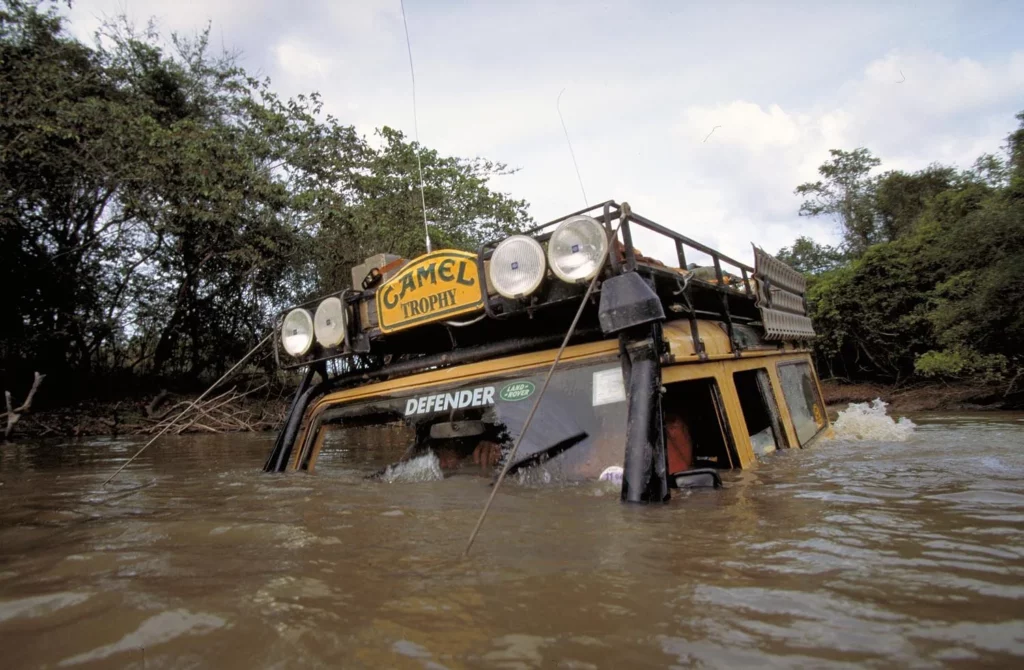
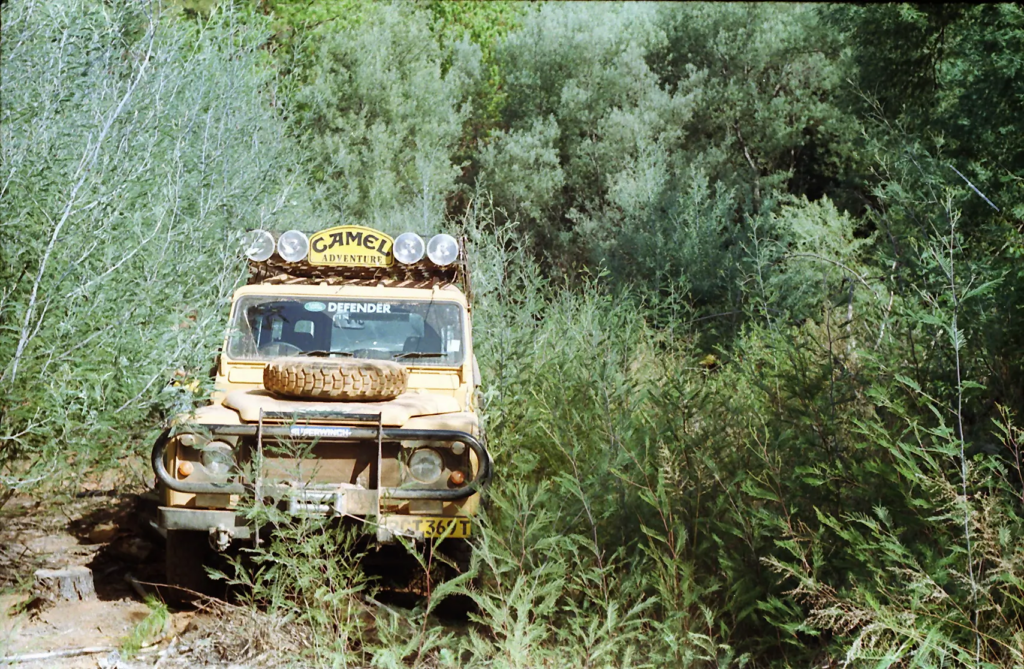
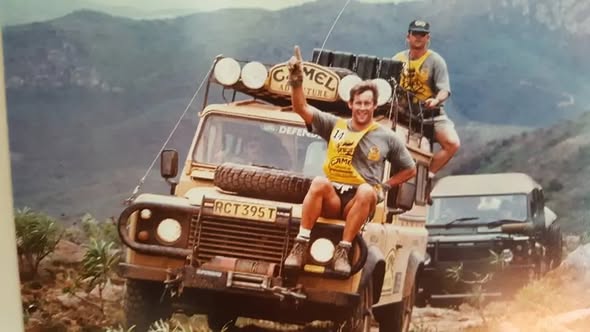
The scheduled 1999 event was cancelled, and in 2000 a final competition was held that deviated dramatically from previous formats. Rather than off-road vehicles, teams explored island chains in the Pacific via powerboats and assorted watercraft – a decisive departure from two decades of terrain-punishing, rubber-chewing expeditions.
Simultaneously, public sentiment and tighter legislation around tobacco sponsorship made the long-term viability of such a branded event uncertain. The organizers and sponsors pivoted away from Camel as a tobacco promoter, and Land Rover withdrew formal support – effectively marking the end of the original Camel Trophy era.