A comprehensive guide to the Transfrontier Park
The Kgalagadi Transfrontier Park, a vast expanse of fiery red dunes and ancient riverbeds, beckons adventurers with its unique wildlife and unparalleled wilderness. As one of Africa’s most remarkable conservation areas, it naturally sparks a lot of curiosity. We’ve compiled the top ten frequently asked questions about the Kgalagadi to help you plan your ultimate desert escape.
Where exactly is the Kgalagadi Transfrontier Park located?
The Kgalagadi Transfrontier Park is a magnificent cross-border conservation area straddling the boundary between South Africa and Botswana in the heart of the Kalahari Desert. Roughly 75% of the park lies within Botswana, with the remainder in South Africa. Its South African entrance, Twee Rivieren, is about 250km from Upington in the Northern Cape.


Why is it called a “Transfrontier Park”?
The “Transfrontier” bit refers to the joint management of the park by two countries – South Africa and Botswana. Formally established in 2000 by merging South Africa’s Kalahari Gemsbok National Park and Botswana’s Gemsbok National Park, this collaboration allows wildlife to roam freely across borders, creating a vast and vital ecosystem. You can move between the South African and Botswanan sections without a passport, provided you exit through the same country you entered.
Planning to exit into a different country (say, from South Africa to Namibia via Mata-Mata)? Then immigration controls are required at Twee Rivieren, and you’ll need to stay at least two nights in the park.

What kind of wildlife can I expect to see in the Kgalagadi?
This is predator country – with an emphasis on the wow factor. Expect black-maned Kalahari lions, cheetahs, leopards (if you’re lucky), and both brown and spotted hyenas. Antelope species such as gemsbok, springbok, eland, and blue wildebeest thrive here. Smaller creatures like meerkats, ground squirrels and bat-eared foxes add charm, and the birdlife is phenomenal – with everything from sociable weavers to martial eagles and pygmy falcons keeping binoculars busy.


When is the best time to visit the Kgalagadi Transfrontier Park?
The park offers something special year-round, but the dry, cooler months from May to September are the sweet spot. With daytime temperatures between 20–30°C, wildlife viewing is more comfortable and rewarding, as animals gather around waterholes. Nights can get seriously chilly though, often dropping below freezing, so pack accordingly. In summer (November to April), the mercury often hits 40°C or more, and thunderstorms can add drama to the landscape (and your roof tent).

Do I need a 4×4 vehicle to explore the Kgalagadi?
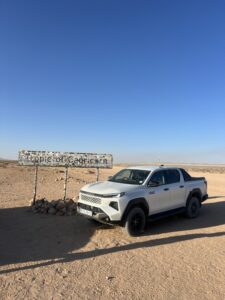
If you’re sticking to the main roads on the South African side, a vehicle with high ground clearance – like an SUV or a bakkie – is usually enough. But if you’re planning to explore the Botswanan side or reach wilderness camps such as Bitterpan or Gharagab, then a proper 4×4 with low-range capability is essential. Travelling in convoy is strongly recommended on these routes due to the deep sand and remote conditions.


What accommodation options are available in the Kgalagadi?
Accommodation options range from well-equipped rest camps to rustic wilderness camps. The main rest camps – Twee Rivieren, Mata-Mata and Nossob – offer chalets, family units and campsites, along with shops, fuel, and even swimming pools. Twee Rivieren is the largest, with 24-hour power and mobile reception. For a more off-the-grid experience, wilderness camps like Bitterpan, Urikaruus, Kieliekrankie, and Grootkolk offer solitude and sensational views, but limited amenities – so come prepared with water and firewood. Book early, especially for peak seasons.


Are there any safety considerations for visiting the Kgalagadi?
The Kgalagadi is generally a safe destination, but it is remote and rugged. Always carry extra water, snacks, and a torch. Stick to your vehicle when outside of camps, watch the temperature fluctuations, and pack layered clothing. There’s little to no malaria risk in the park, but it’s wise to check if you’re extending your travels elsewhere. In unfenced camps, keep your wits about you after dark – wildlife does wander through, and scorpions aren’t shy either.
What are the park hours and entry fees?
Gate opening and closing times vary with the seasons, so check ahead. Generally, gates open at sunrise and close at sunset. As of now, conservation fees are:
South African citizens and residents (with ID or SA licence):
Adults: R128 | Children (2–11 years): R61
SADC nationals (with passport):
Adults: R257 | Children: R128
International visitors:
Adults: R535 | Children: R267
Wild Card holders enjoy free entry. Rates and rules can change, so it’s best to confirm on the SANParks website before your trip.

Can I cross between South Africa, Botswana, and Namibia within the park?
Yes – with a few conditions. You can move between the South African and Botswanan sides without immigration if you exit through the same country. But if you’re planning to exit into a third country (e.g., Namibia), you’ll need to go through immigration at Twee Rivieren and stay at least two nights in the park. Make sure you’ve got all your vehicle documents and a ZA sticker if heading into Namibia.
Are there specific rules or regulations visitors should be aware of?
Absolutely. Stick to the 50km/h speed limit on main roads and 20km/h in camps. Don’t go off-road or feed animals. Collecting firewood is prohibited, so bring your own or buy some in the camps. Never leave your vehicle unless you’re in a designated spot. And if you break down, don’t wander off – stay with your vehicle, where you’re easiest to find and safest from the curious locals (both four-legged and scaly).

Final thoughts
The Kgalagadi Transfrontier Park offers an unparalleled wilderness experience – a living, breathing desert dreamscape. Whether it’s the thrill of a lion’s roar echoing through the dunes or the serenity of an oryx silhouetted at sunset, every moment here feels like a scene from a nature documentary. Prepare well, respect the rules, and surrender to the rhythm of the Kalahari – the Kgalagadi isn’t just a destination, it’s a feeling.