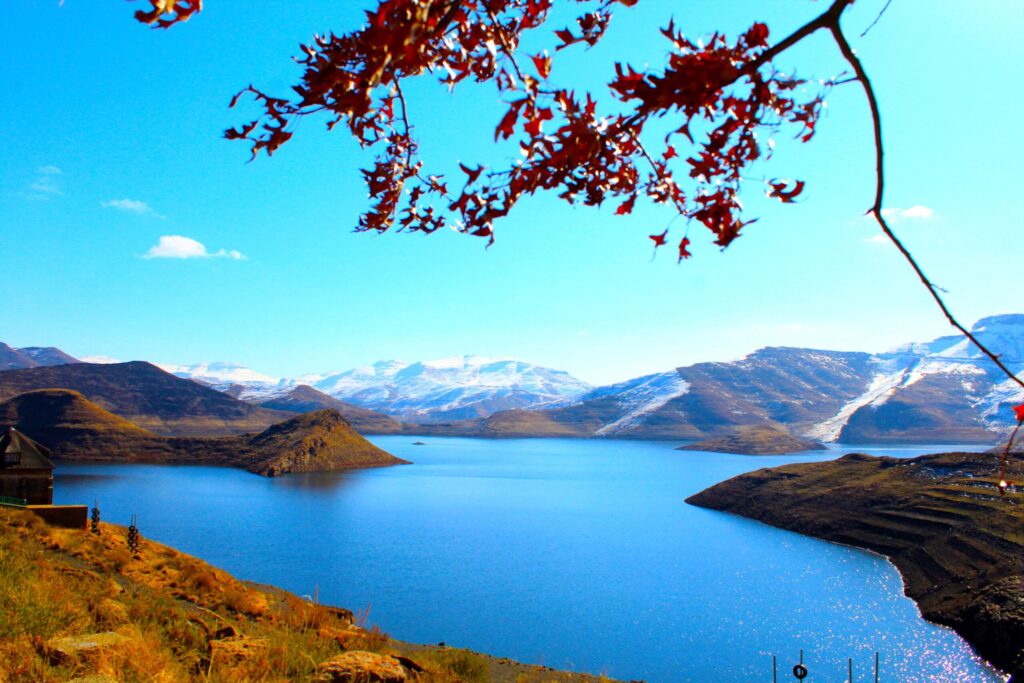
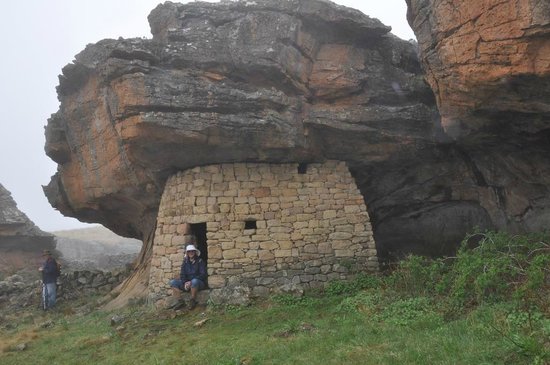
Tucked away in the remote southeastern corner of the “Kingdom in the Sky,” Sehlabathebe National Park remains one of Southern Africa’s best-kept secrets. Known as the “Shield of the Plateau,” this UNESCO World Heritage site sits at an average altitude of 2,400m, offering a landscape of surreal sandstone formations, alpine flora, and a silence so profound it feels physical.
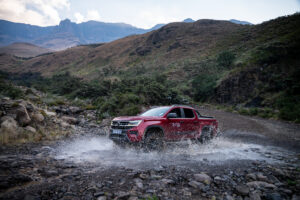
For the 4×4 enthusiast, Sehlabathebe is more than a destination; it is a pilgrimage. Whether you’re navigating the rocky ascent of the Matabeng Pass or crossing from South Africa via the Ramatseliso’s Gate, the journey is as much a part of the experience as the park itself.
The Landscape: A Giant’s Playground
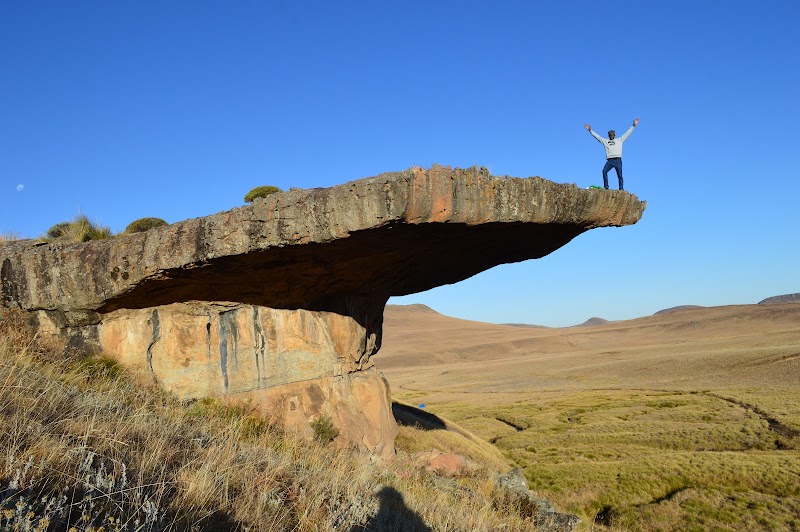
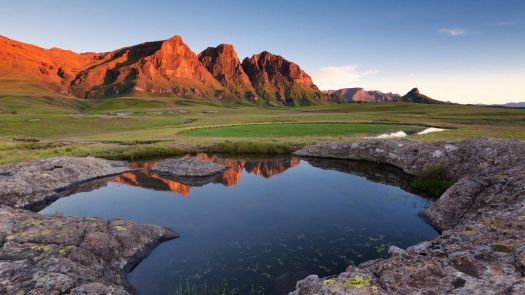
The park is famous for its unique “organ-pipe” sandstone monoliths and natural rock arches. Over millennia, wind and water have carved the plateau into a labyrinth of caves and rock pools. In the summer months (November to February), these pools become the exclusive home of the Sehlabathebe Water Lily, an endangered endemic species that transforms the muddy shallows into a white-and-yellow floral display.

What to Do: Beyond the 4×4 Tracks
While the driving is world-class, Sehlabathebe is best explored on foot or horseback.
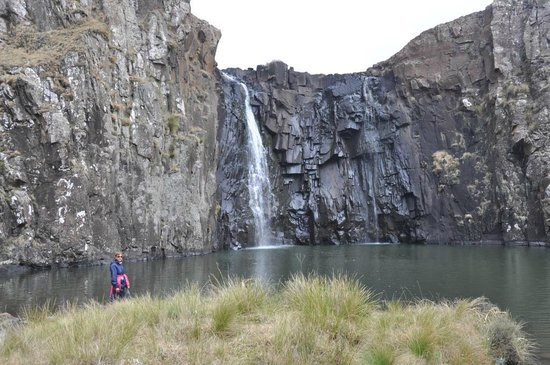
- Hiking: Trails here are raw and often follow ancient sheep tracks. The hike to the Tsoelikana Waterfall is a must, where the river plunges into a deep, icy basin.
- Rock Art: The park hosts over 65 San rock art sites. Many are well-preserved, depicting eland and human figures that date back thousands of years.
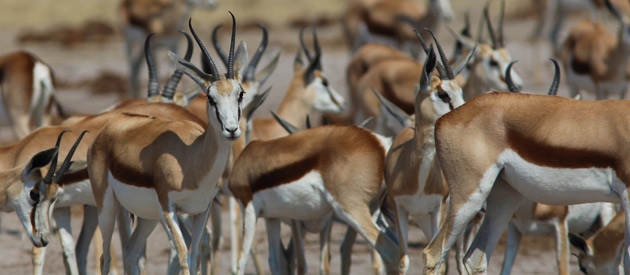
- Birding & Wildlife: Keep your binoculars ready for the rare Bearded Vulture (Lammergeier) soaring over the escarpment. On the ground, you’ll likely spot Grey Rhebok, baboons, and the occasional herd of Eland.
Logistical Reality Check
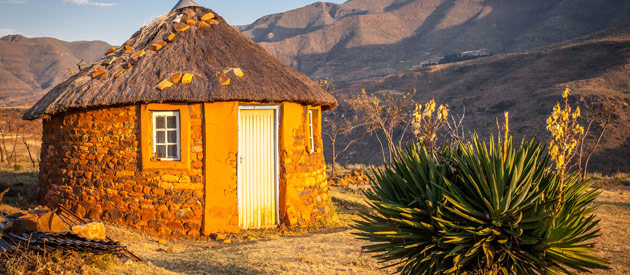
Sehlabathebe is not for the “glamper.” The facilities are functional but basic. The Sehlabathebe National Park Lodge offers self-catering rooms, but visitors must bring everything-including drinking water, firewood/charcoal, and all food supplies. Power and running water can be intermittent, so come prepared with a backup power source and a sense of adventure.
2026 Pricing Guide (Estimates in ZAR)
Note: The Lesotho Loti (LSL) is pegged 1:1 with the South African Rand (ZAR). Rands are widely accepted.
| Item | Estimated Price (ZAR) | Notes |
| Entrance Fee (Adult) | R50 – R100 | Per person per day |
| Vehicle Entry Fee | R30 – R60 | Per vehicle |
| Lodge (Self-Catering) | R550 – R850 | Per person sharing |
| Camping Fee | R150 – R250 | Per person per night |
| Horse Riding | R250 – R400 | Per hour/session |
| Guided Hike | R300 – R500 | Half-day (group rates vary) |
| Trout Fishing Permit | R50 – R100 | Bring your own gear |
| Tourist Levy | R100 | Payable at border/entry |
Frequently Asked Questions (FAQ)
1. Do I really need a 4×4?
Yes. While some sections of the A4 are tarred, the access roads to the park and the tracks within it are unpaved, rocky, and can become impassable for 2WD vehicles after rain. High clearance is non-negotiable.
2. When is the best time to visit?
October to April offers the best weather for hiking and wildflowers. However, summer afternoons often bring heavy thunderstorms. Winters (June–August) are dry but bitterly cold, with frequent snow.
3. Is there cell phone reception?
Reception is extremely spotty and non-existent in most parts of the park. Do not rely on GPS apps that require data; download offline maps or bring a physical map.
4. Where can I buy supplies?
The nearest reliable shops are in Qacha’s Nek or Matatiele (RSA). There are no shops or restaurants inside the park.
5. Is the water safe to drink?
It is recommended to bring your own drinking water or a high-quality filtration system, as lodge supply can be unreliable.
6. Do I need a visa?
South African citizens do not need a visa, but you must have a valid passport. A R100 tourist levy is usually charged at the border.
7. Can I fish in the park?
Yes, the Tsoelikana River offers excellent trout fishing. You must obtain a permit at the park reception and use barbless hooks.
8. Are there dangerous animals?
There are no large predators like lions or elephants. The main “dangers” are the rapidly changing mountain weather and the occasional snake (mostly in summer).
9. Can I visit as a day trip from South Africa?
It is possible via Ramatseliso’s Gate, but it makes for a very long day of bumpy driving. Staying at least two nights is recommended to truly experience the park.
10. Is the park safe for solo travelers?
The park is very safe, though hiking alone is discouraged due to the remote terrain and lack of cell signal. Always inform the park rangers of your planned route.