Amidst the towering peaks of the Zambezi Escarpment lies Zimbabwe’s best-kept secret: Chizarira National Park. While heavyweights like Hwange and Mana Pools draw the crowds, Chizarira offers something increasingly rare in the modern world—absolute, untamed solitude.
Derived from the Batonga word Chijalila, meaning “Great Barrier,” the park is a 2,000-square-kilometer fortress of rugged gorges, natural springs, and high-altitude plateaus. For the 4×4 enthusiast and the wilderness purist, this is the ultimate Zimbabwean frontier.
The Landscape of the “Great Barrier”
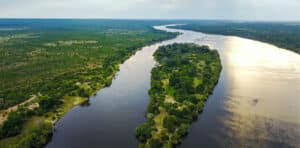
Chizarira is defined by its dramatic topography. The northern boundary sits nearly 600 meters above the Zambezi Valley floor, offering vistas that stretch all the way to the blue waters of Lake Kariba on a clear day. The terrain is a mosaic of seven ecological zones, shifting from lowveld savannah to highveld broadleaf woodland.

The “Hidden Gorges” are the park’s signature. Deeply incised ravines like Mcheni and Sengwa slice through the landscape, creating micro-climates where lush vegetation thrives alongside mountain springs.
Wildlife and the Walking Safari
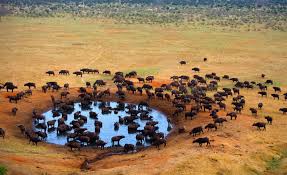
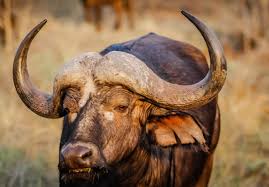
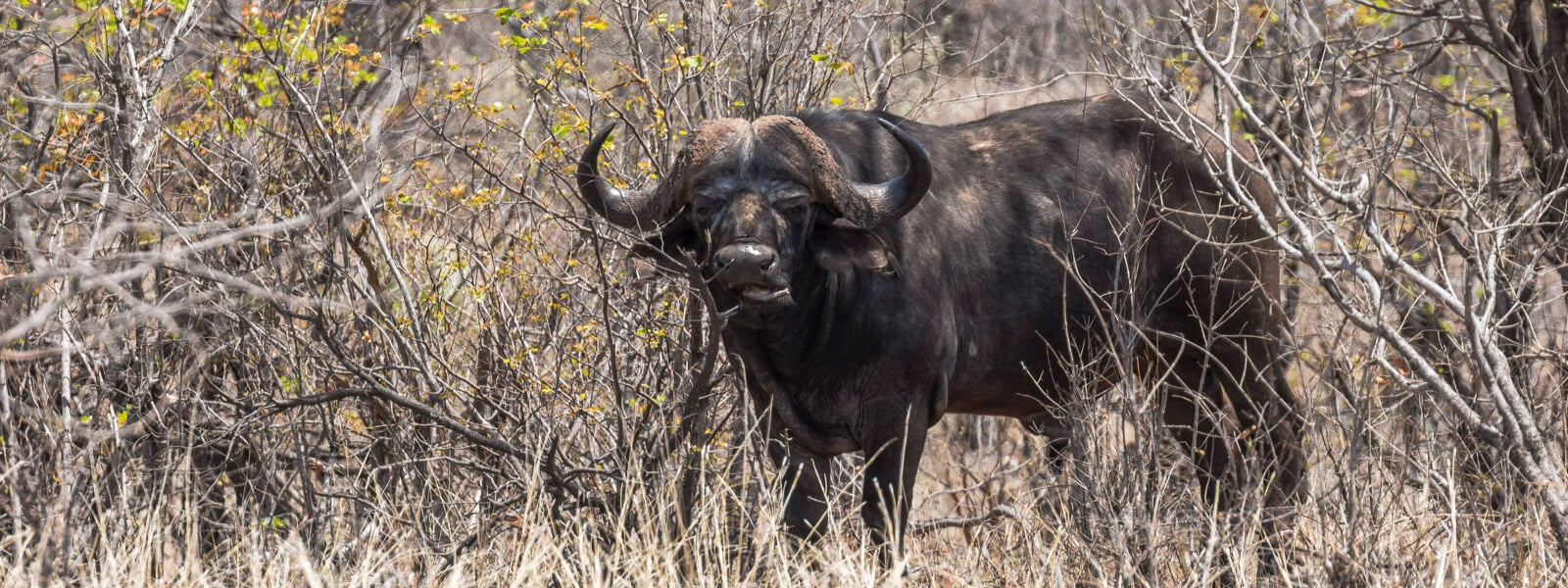
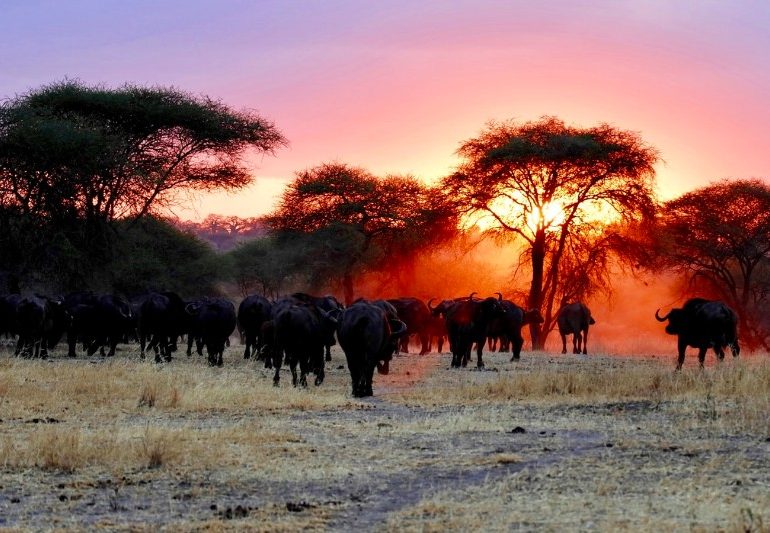
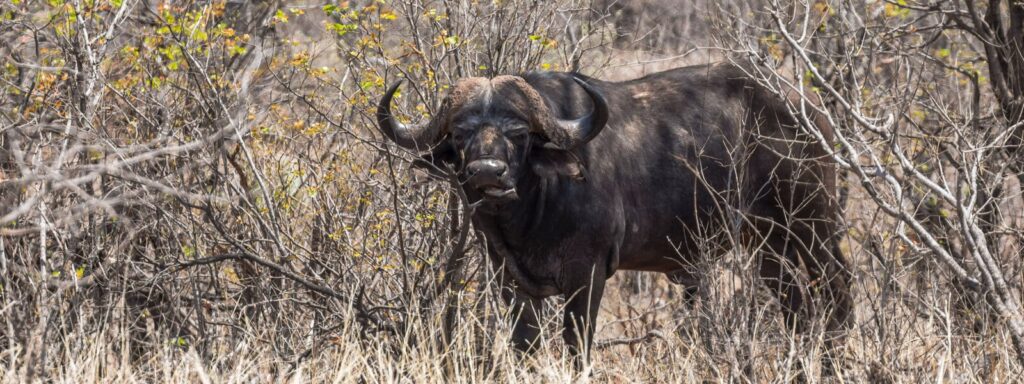
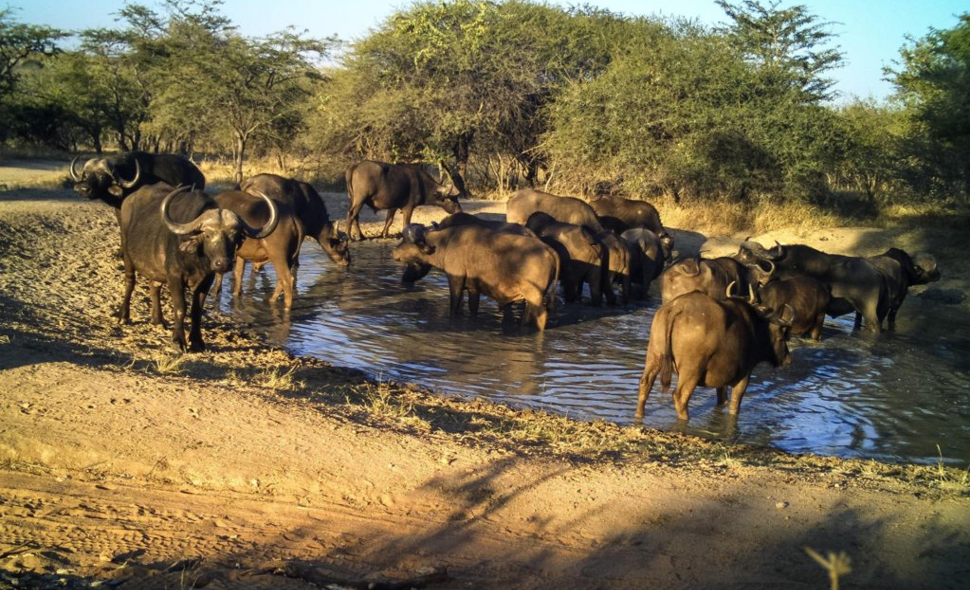
You don’t come to Chizarira for a “Big Five” checklist. While elephant, lion, leopard, and buffalo are present, they are naturally shy and live at lower densities than in the tourist hubs. Instead, Chizarira is the spiritual home of the walking safari.
Led by some of Africa’s most skilled professional guides, these walks allow you to track the rare roan and sable antelope or spot the klipspringer—a small, agile antelope known for its ability to navigate near-vertical rocky outcrops. For birders, the park is legendary, boasting over 400 species, including the elusive Taita Falcon and the Angola Pitta.
Navigating the Terrain
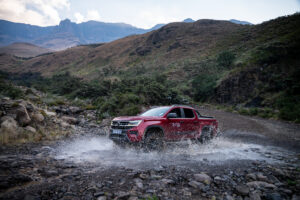
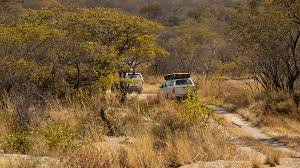
This is strictly 4×4 territory. The roads are rugged, often requiring high-clearance vehicles and a steady hand. Infrastructure is minimal, which is exactly why it remains so pristine. There are no luxury lodges currently operating within the park; instead, you’ll find exclusive bush camps.
Mucheni Gorge and Mucheni View are the favorites, perched right on the edge of the escarpment. These camps offer basic amenities—thatched shelters and long-drop toilets—but the “million-dollar views” from your tent are worth every bit of effort.
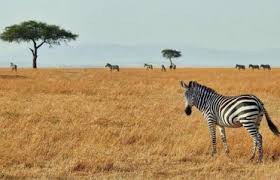
2026 Pricing Guide (ZimParks Tariffs)
Prices are pegged in USD by ZimParks but can be paid in local currency or converted. Below are the estimated rates in South African Rand (ZAR), based on a 2026 exchange rate of approximately R19.00 to $1.
| Category | Daily Conservation Fee (ZAR) | Vehicle Entry (ZAR) | Camping (Per Night – ZAR) |
| SADC Residents | R340 | R190 | R570 |
| International | R455 | R190 | R760 |
| Local (Zimbabwe) | R150 | R95 | R285 |
Note: Prices are subject to change based on current exchange rates and VAT adjustments.
10 Frequently Asked Questions (FAQ)
- Do I really need a 4×4?
Yes. The ascent up the escarpment and the tracks within the park are rocky and steep. A high-clearance 4×4 is essential.
- Is there fuel available in the park?
No. The nearest reliable fuel is in Binga, roughly 90km away. Always carry extra fuel.
- What is the best time to visit?
The dry season (July to October) is best for wildlife viewing as animals congregate at springs.
- Can I walk alone in the park?
No. All walking safaris must be accompanied by a licensed ZimParks ranger or a professional guide.
- Are there any shops nearby?
No. You must be entirely self-sufficient with food, water, and medical supplies.
- Is malaria a risk?
Yes, Chizarira is in a malaria-prone area. Consult your doctor regarding prophylactics.
- Is the park safe from poaching?
While poaching has been a historical issue, organizations like National Park Rescue have significantly improved security and infrastructure recently.
- Can I see the “Big Five”?
You can see four (lion, leopard, elephant, buffalo). Rhino are currently absent from the park.
- How do I book a campsite?
Bookings are made through the ZimParks central reservations or at the Manzituba Park HQ.
- Is there cell signal?
Signal is extremely limited and non-existent in most gorges. A satellite phone or GPS messenger is recommended for emergencies.