After years of intense speculation, Mitsubishi has finally made it official: the legendary Pajero is returning. For decades, the Pajero nameplate stood as a towering icon of off-road supremacy across the African continent, dominating sand dunes, rocky trails, and the gruelling tracks of the Dakar Rally. Following its departure from production, a massive void was left in the hearts of true 4×4 enthusiasts.
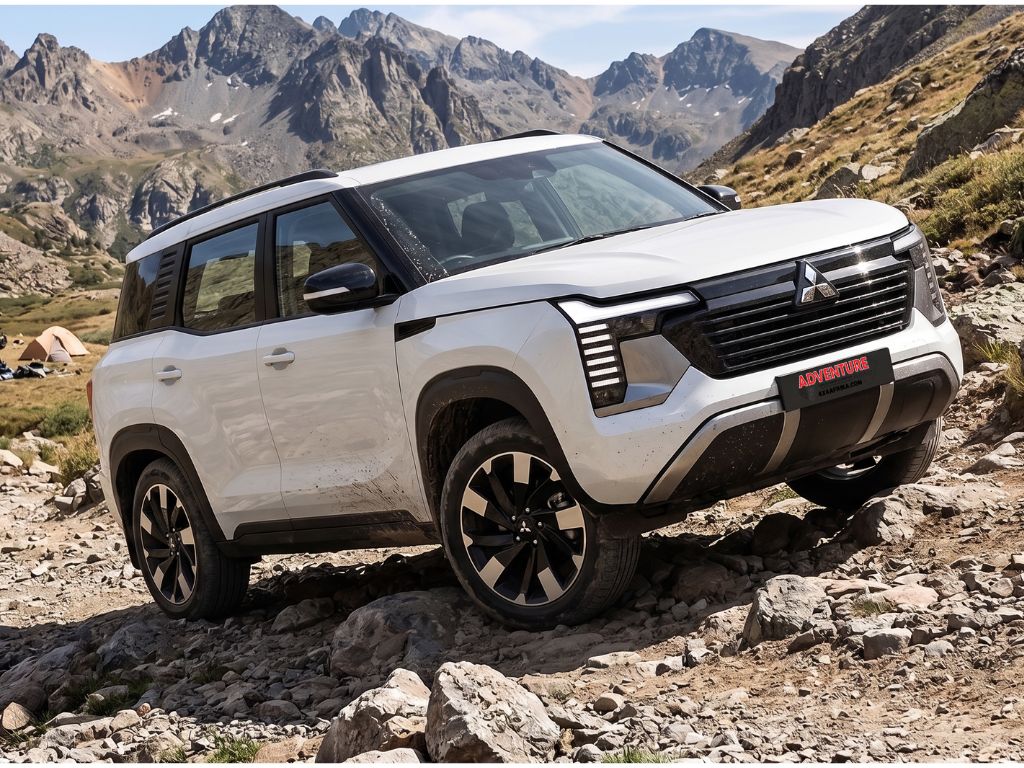
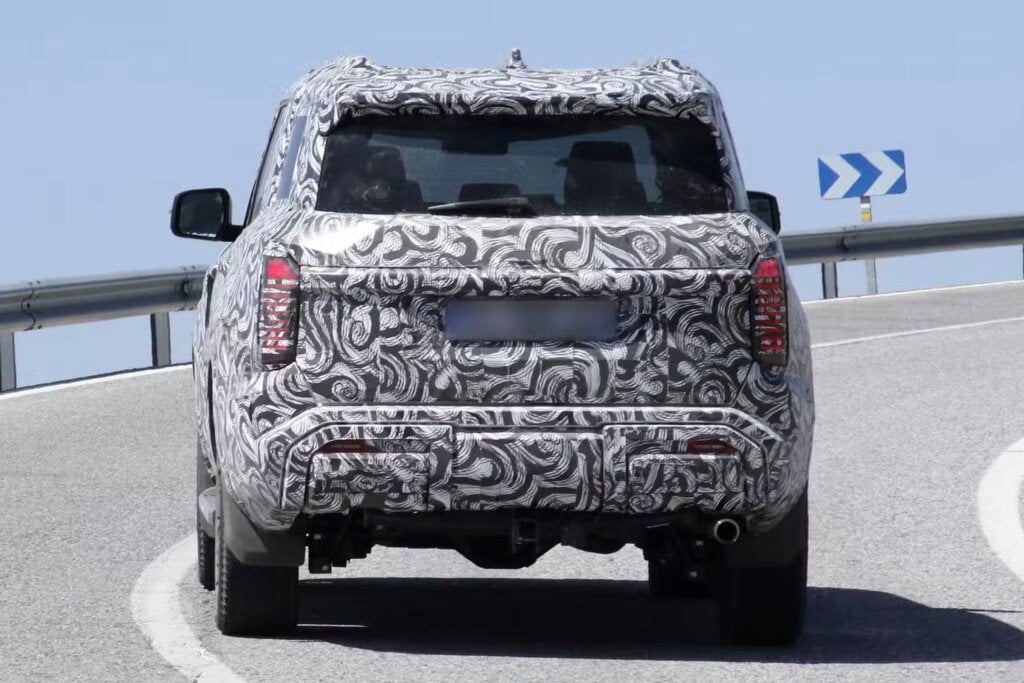
Now, the king is coming back to reclaim its throne. Mitsubishi has confirmed that its new flagship SUV will skip the unibody architecture of its predecessor and return to its rugged roots with a tough, body-on-frame design. Scheduled for a global unveiling in the final quarter of 2026, this reborn legend is locked in a direct crosshair with established giants like the Toyota Land Cruiser Prado and Ford Everest.
Back to the Roots: A True Ladder-Frame Foundation
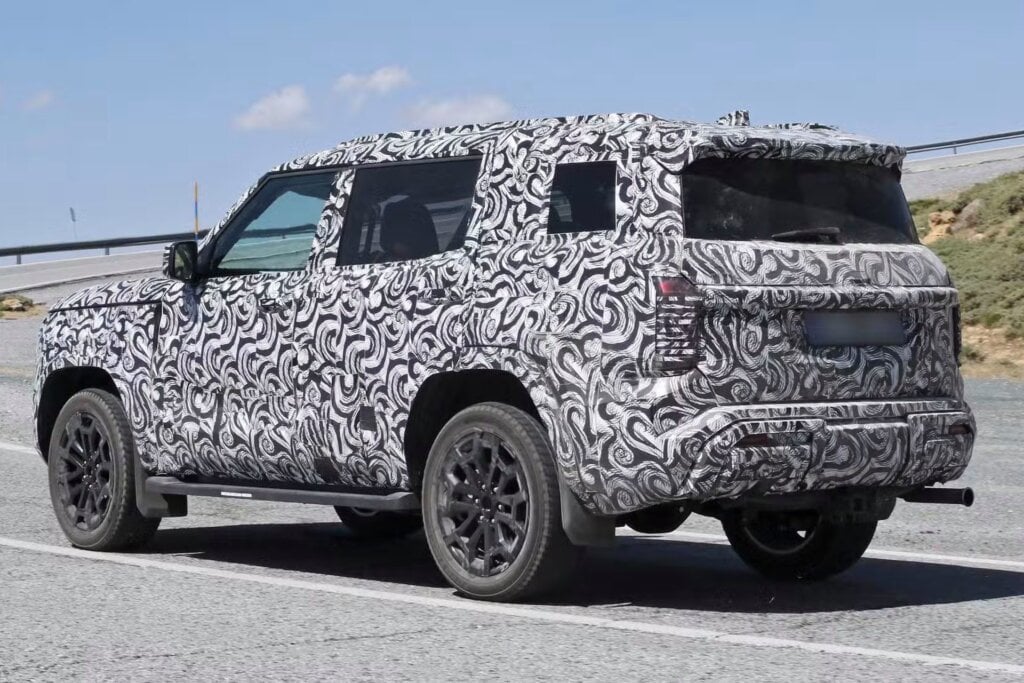
In a move that has sent shockwaves through the 4×4 community, Mitsubishi revealed that the new Pajero will ride on a highly robust ladder-frame platform derived from the latest-generation Triton pickup. This marks a massive philosophical shift from the fourth-generation monocoque Pajero. By returning to a traditional body-on-frame construction, Mitsubishi is ensuring the vehicle possesses the extreme durability and structural strength required to tackle the harshest terrains on Earth.

However, purists need not worry about it being a simple badge-engineered utility vehicle. Mitsubishi has made it clear that the new flagship will feature model-specific development for both the cabin and the suspension system to set it apart dynamically from its commercial sibling. While the Triton utilises rugged rear leaf springs, the new Pajero is engineered with a completely redesigned front and rear suspension setup-likely utilizing coil springs-to deliver excellent wheel articulation off-road alongside a highly refined, premium ride quality on sealed surfaces.
Dakar Heritage Meets 21st Century Tech
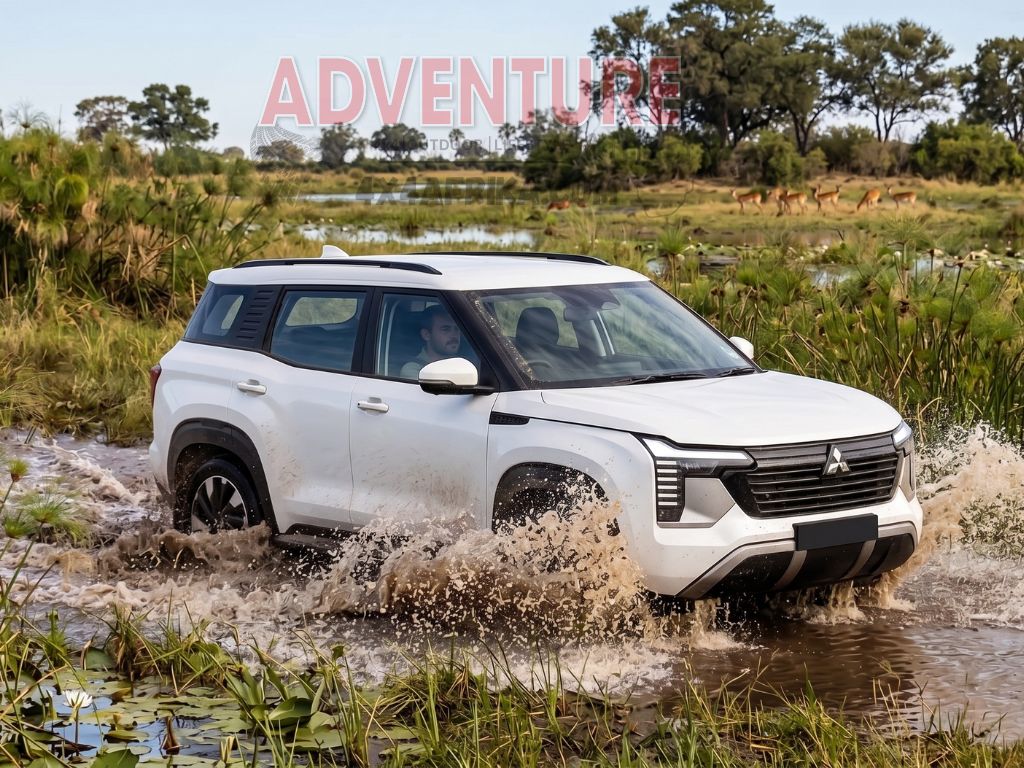
The Pajero requires no introduction to those who understand off-road history. Since its original debut in 1982, it has been the go-to vehicle for serious adventurers, overlanders, and cross-country explorers. Its defining legacy, however, remains its unmatched motorsport pedigree: a record-breaking 12 Dakar Rally titles. This rich DNA of reliability and endurance is being infused directly into the 2027 model, but adapted heavily for the modern era.
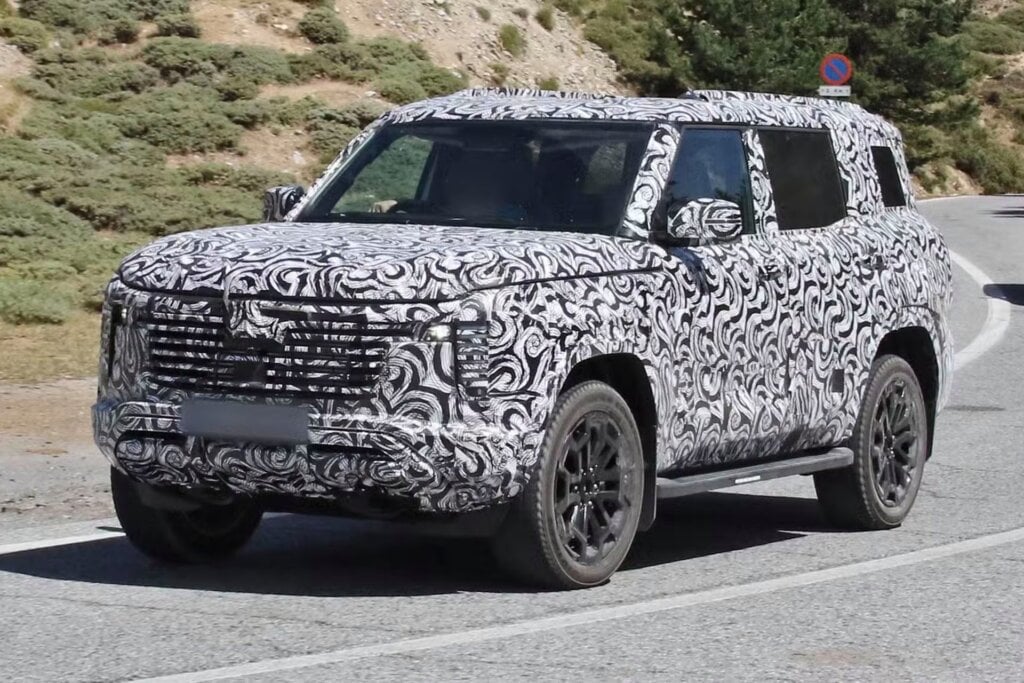
Under the bonnet, the new Pajero will move away from the older generation’s heavy 3.2-litre powerplants. Instead, it will leverage Mitsubishi’s latest 2.4-litre four-cylinder bi-turbo diesel engine. This modern engine is expected to deliver approximately 150kW of power and 470Nm of torque, paired with an advanced automatic transmission.
Crucially for overlanders, the SUV will feature the renowned Super Select 4WD II full-time four-wheel-drive system. This highly flexible drivetrain allows drivers to operate in permanent four-wheel drive on high-traction tarmac surfaces without damaging the transmission, providing an immense safety advantage in unpredictable weather or changing road conditions. Combined with advanced terrain management modes and heavy-duty rear differential locks, the Pajero is fully equipped to step directly into the playground of the Toyota Prado.
A Premium, Muscular Flagship
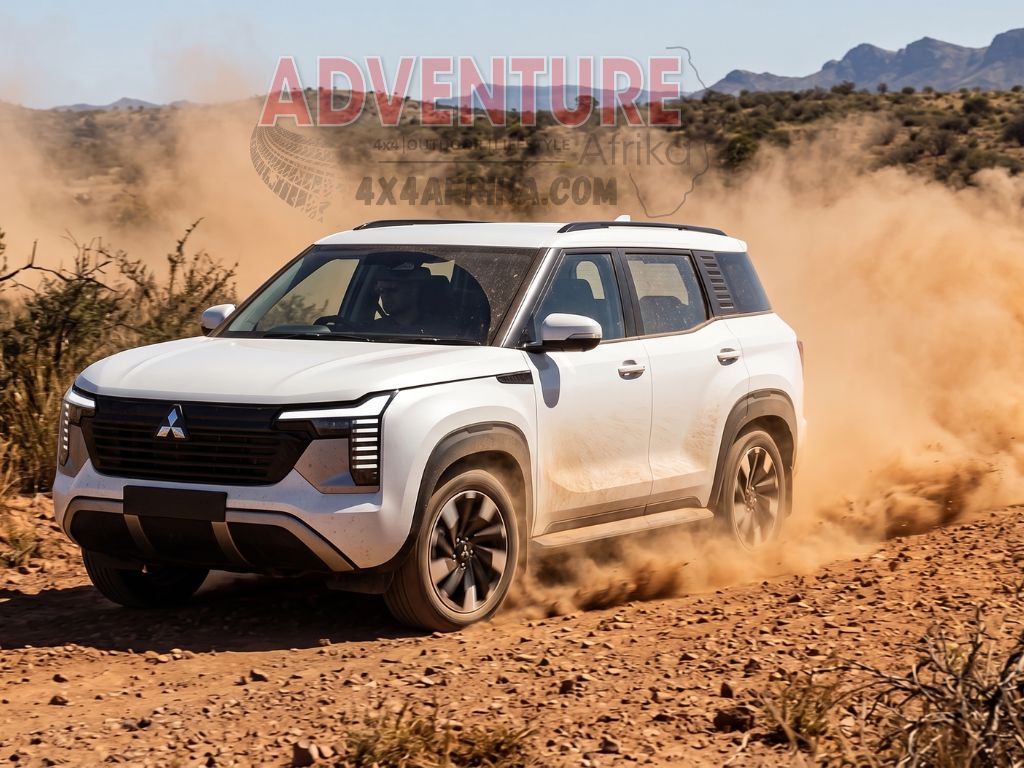
Early design indicators and teaser images hint at a bold, muscular aesthetic that pays homage to classic off-road icons while embracing modern styling trends. The vehicle features an upright, squared-off silhouette, a prominent front grille, and a unique LED headlight signature that completely distinguishes it from the Triton.
Inside, the Pajero will step up as Mitsubishi’s absolute halo product. Buyers can expect a substantial upgrade in interior technology and luxury features to properly compete with premium rivals. The cabin is anticipated to feature:
- A large, high-definition central touchscreen infotainment system with wireless Apple CarPlay and Android Auto.
- A fully digital instrument display cluster for the driver.
- Premium leather upholstery options with heated and ventilated seating.
- A flexible three-row seating configuration accommodating up to seven occupants.
- A comprehensive suite of modern driver-assist safety systems, including advanced autonomous emergency braking and driver monitoring technologies.
Furthermore, to cement its status as an elite touring vehicle, the new model is expected to target a 3.5-tonne towing capacity, making it perfect for hauling large off-road caravans and boats over long distances.
Future-Proofing with Hybrid Power
While the bi-turbo diesel engine will lead the charge at launch, Mitsubishi is actively preparing the Pajero for a changing global landscape. The brand has confirmed it is developing hybrid and plug-in hybrid (PHEV) powertrains for this platform.
Speculation suggests the vehicle could eventually adopt an innovative ‘P2’ hybrid setup. This system integrates an electric motor directly between a turbocharged petrol combustion engine and the transmission. This mechanical layout ensures that even when running on electric assistance, the vehicle maintains a true, mechanical 4×4 connection to the wheels-preserving genuine off-road capability without relying purely on independent electric axles.
The Birth of a ‘Pajero Series’
The return of the flagship is only the first chapter in a much grander strategy. Mitsubishi’s mid-term planning documents have revealed that the Pajero nameplate will expand into an entire sub-brand or ‘Pajero series’.
The company has teased silhouettes of two additional upcoming vehicles that will wear the badge: a compact SUV and a smaller cross-country SUV. Drawing inspiration from historical models like the Pajero iO and Pajero Mini, these future additions will look to capture the rugged, go-anywhere spirit of the brand in smaller, more agile packages, potentially offering new alternatives in the compact off-road market.
Battle for the Crown
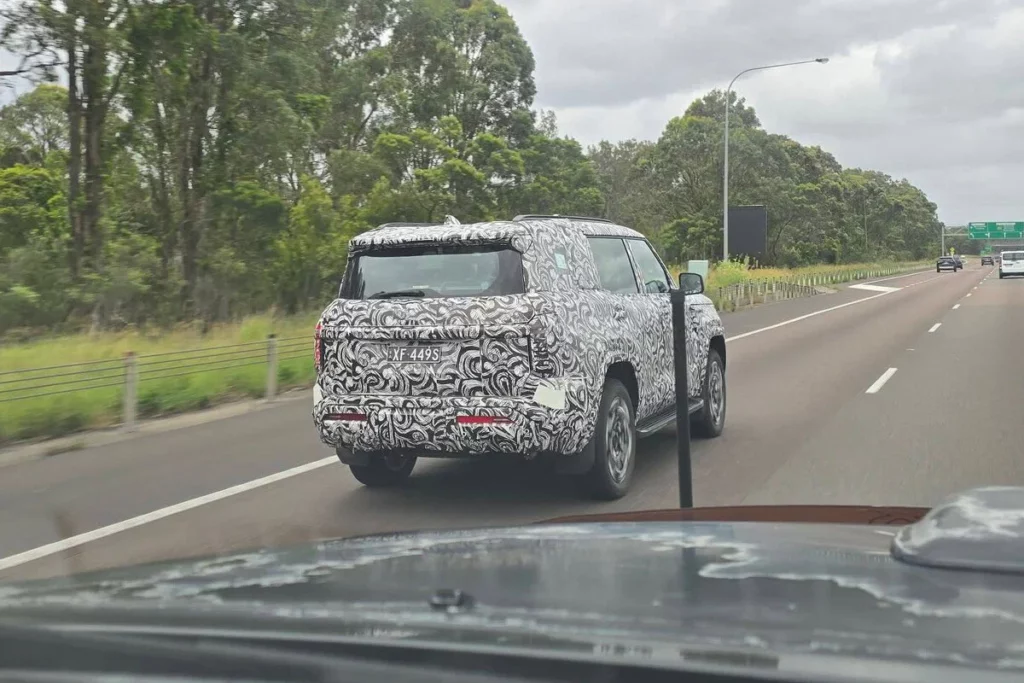
The global reveal is scheduled to take place between September and November 2026, with the first market rollouts starting shortly thereafter. With its heavy-duty construction, Dakar-proven heritage, and high-tech cabin, the new Pajero is shaping up to be one of the most significant 4×4 arrivals of the decade.
The question that remains on every overlander’s lips is simple: Can the return of the king finally break the dominance of the Toyota Prado, or will the status quo remain unbroken? One thing is certain-the battle for off-road supremacy is about to get incredibly fierce.