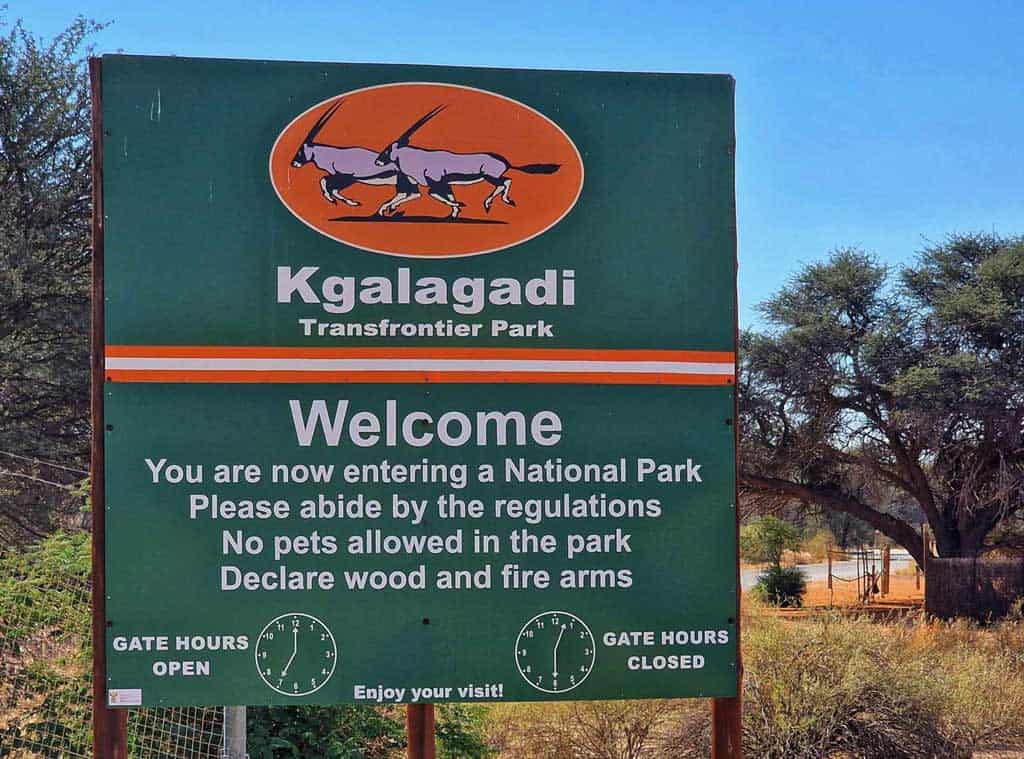
Where the red dunes of the Kalahari meet the infinite blue of the African sky, you find the Kgalagadi Transfrontier Park. Formed by the amalgamation of South Africa’s Kalahari Gemsbok National Park and Botswana’s Gemsbok National Park, this massive conservation area represents one of the few ecosystems of its kind left in the world.
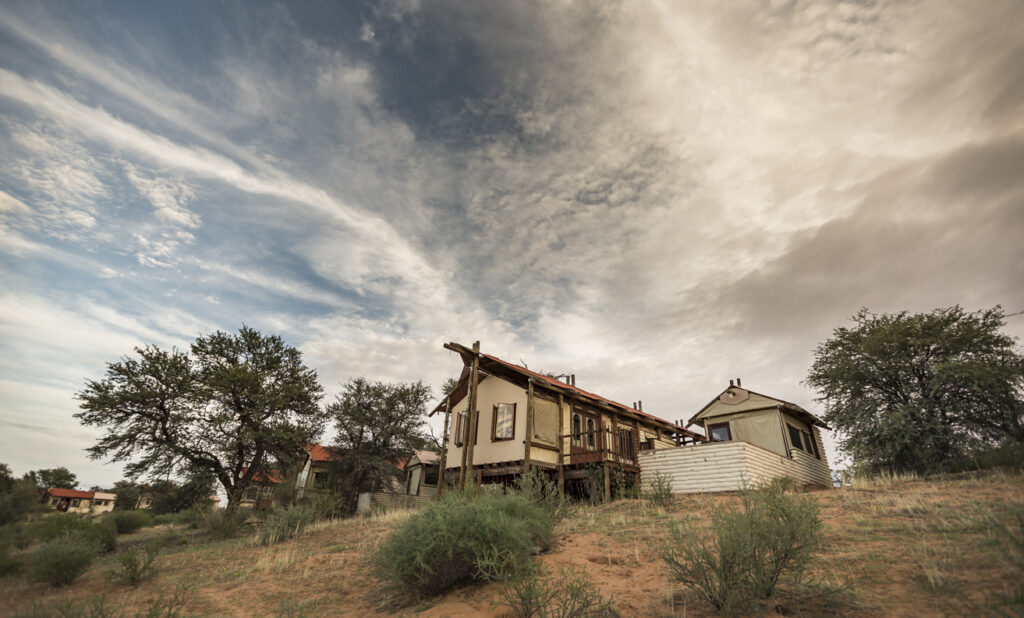
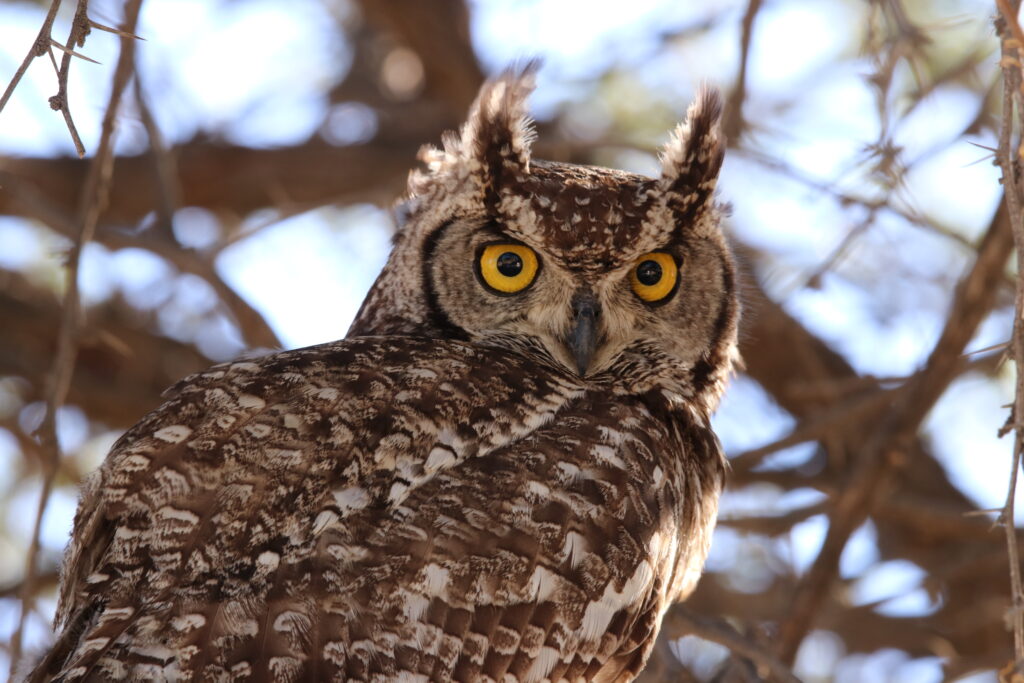
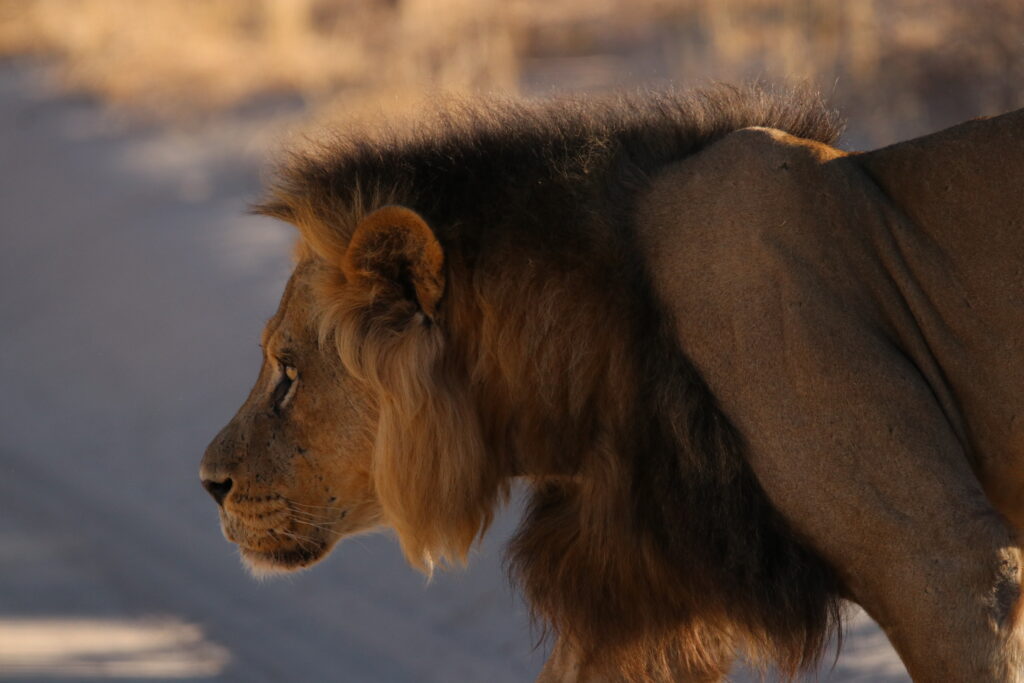
The park is a land of extremes, defined by the dry riverbeds of the Nossob and Auob, which serve as the primary ancient “highways” for wildlife. Unlike the lush greenery of the east, Kgalagadi offers raw, desert beauty where survival is an art form. It is world-renowned for its black-maned Kalahari lions, cheetahs that thrive in the open pans, and the iconic gemsbok (oryx) with their spear-like horns.
For the overlander, Kgalagadi is the ultimate test of self-sufficiency. While the South African side offers fenced “rest camps” with more amenities, the Botswana side (including the famous Mabuasehube section) provides a truly wild, unfenced experience where only a canvas sheet separates you from the night-time prowlers. Whether you are watching a leopard draped over an acacia tree or listening to the barking geckos at dusk, Kgalagadi stays in your blood long after the red dust has been washed from your tyres.
Frequently Asked Questions (FAQ)

1. Do I need a 4×4 for Kgalagadi?
On the South African side, a 2×4 with high clearance is usually sufficient for the main riverbed roads. However, a 4×4 is essential for the Botswana side, wilderness camps (like Bitterpan), and during the rainy season when sand becomes heavy.
2. Is there a border crossing in the park?
Yes, but special rules apply. You can move between the SA and Botswana sections freely, but you must exit through the same country you entered. If you wish to exit into a different country (e.g., entering from SA and exiting into Namibia via Mata Mata), you must stay at least two nights and clear immigration at Twee Rivieren.
3. What is the best time to visit?
The cooler months (May to August) are popular, with daytime temps around 25°C, though nights can drop below freezing. February to May is excellent for sightings as the “green Kalahari” draws animals to the riverbeds.
4. Can I buy fuel and supplies in the park?
Fuel (Petrol/Diesel) and basic shops are available at the three main SA camps: Twee Rivieren, Mata Mata, and Nossob. There are no fuel or shop facilities on the Botswana side or at wilderness camps.
5. Is the water drinkable?
The water in the main rest camps is very mineralised (salty) and can cause stomach upset. It is highly recommended to carry your own drinking water (at least 10 litres per person per day).
6. Are the camps fenced?
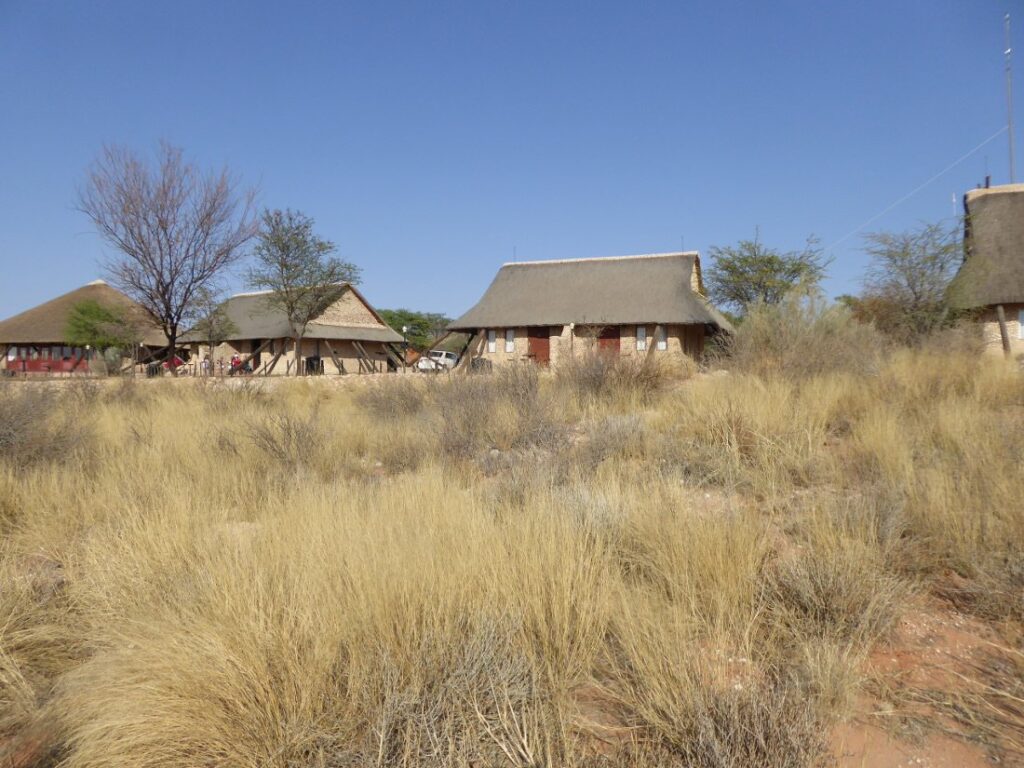
The three main rest camps (Twee Rivieren, Mata Mata, Nossob) are fenced. Most wilderness camps and all Botswana-side campsites are unfenced-wildlife can and will walk through your camp.
7. Is there mobile reception or Wi-Fi?
Signal is extremely limited. There is some reception at Twee Rivieren and very patchy signal at the other main camps. Expect to be “off the grid.”
8. Are children allowed?
Children are welcome in the main rest camps, but no children under 12 are permitted in the unfenced wilderness camps for safety reasons.
9. Do I need to worry about scorpions?
Yes, the Kalahari is home to several species. Always wear closed shoes at night and use a UV torch to spot them-it’s part of the desert experience!
10. What are the speed limits?
The limit is 50km/h on park roads and 20km/h in camps. Lowering your tyre pressure (to about 1.6 bar) makes for a more comfortable ride on the corrugated gravel.
Accommodation & Contact Details
| Accommodation Type | Provider | Estimated Price (2026) | Contact Info |
| Camping (SA Side) | SANParks | ~R450 – R500 per night (2 pax) | +27 (0)12 428 9111 |
| Wilderness Camps | SANParks | ~R2,600 – R2,800 per unit | sanparks.org |
| Camping (Botswana) | DWNP / Private | ~BWP 150 – 400 pppn | +267 318 0774 |
| Luxury Lodge | !Xaus Lodge | From ~R7,800 pppn | xauslodge.co.za |