Overlanding in Botswana is the dream of many adventurers – a journey through vast, untamed landscapes, encountering incredible wildlife, and experiencing the raw beauty of Southern Africa. However, preparing for such an expedition can bring up a myriad of questions. To help you navigate the planning process and hit the road with confidence, we’ve compiled answers to the ten most frequently asked questions about overlanding in Botswana.
1. Do I need a 4×4 vehicle to overland in Botswana?
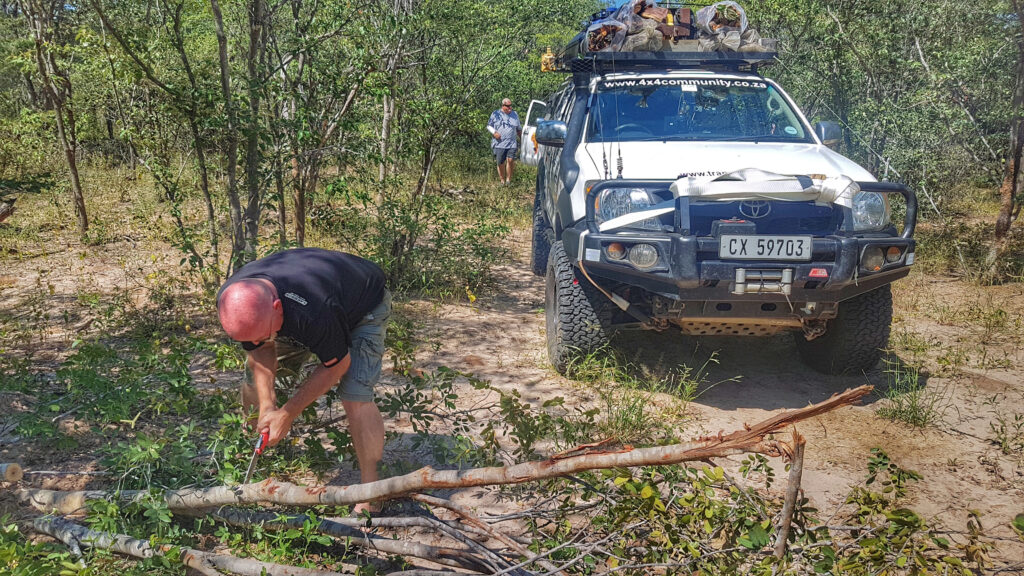
Absolutely. For most of Botswana’s national parks and remote areas, a capable 4×4 vehicle is not just recommended, it’s mandatory. The tracks can be incredibly sandy, especially in areas like Savuti, and may become muddy and challenging during the rainy season. Ensure your rental or personal vehicle is fully equipped for off-road conditions, including good ground clearance, appropriate tyres, and recovery gear.
2. What kind of vehicle equipment is essential?

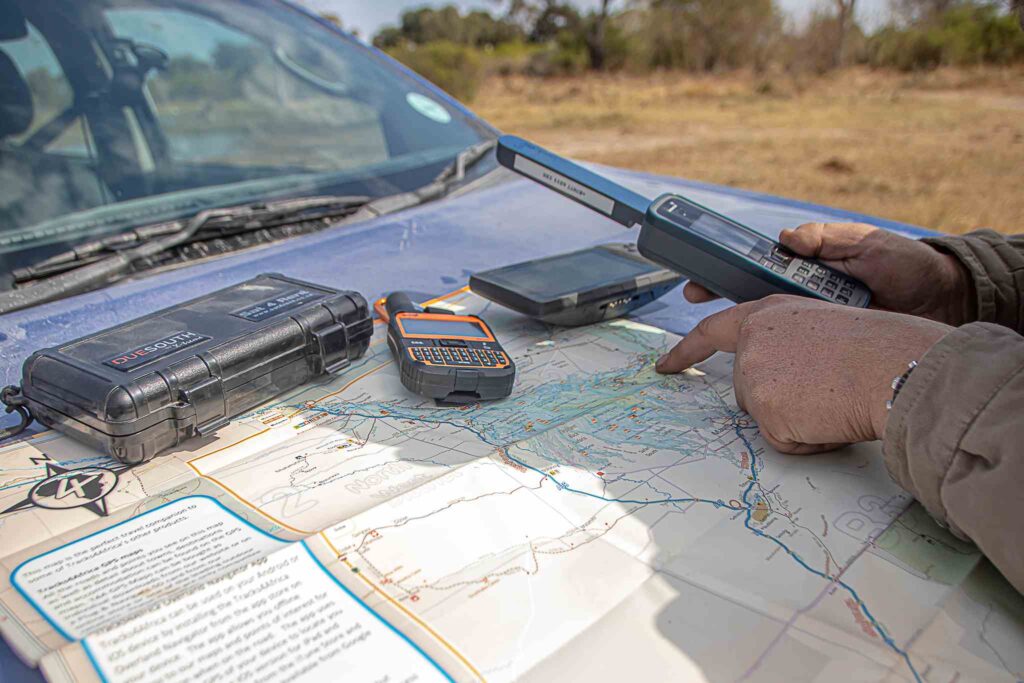
Beyond the 4×4 capability, a well-equipped overlanding vehicle for Botswana should include:
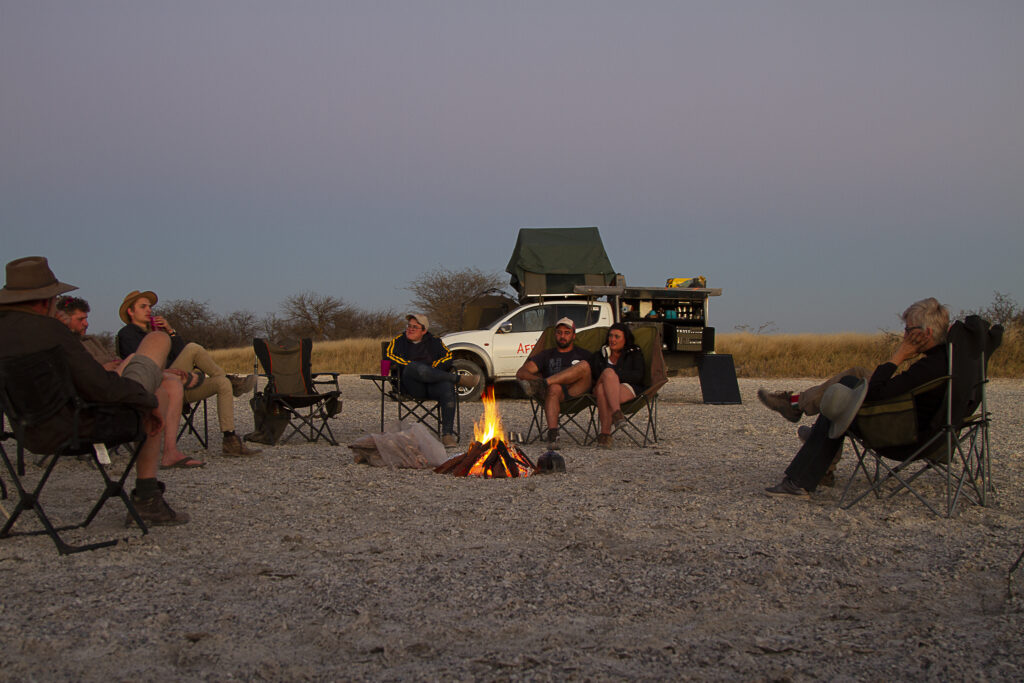
- Roof-top tent or sturdy ground tent: For elevated sleeping and protection from ground-dwelling critters.
- Dual battery system: To power your fridge/freezer and other electronics.
- Fridge/freezer: Crucial for keeping food and drinks fresh in the African heat.
- Recovery gear: Including a high-lift jack, shovel, tow rope/snatch strap, and rated shackles.
- Air compressor: For deflating and inflating tyres to suit different terrains.
- Long-range fuel tanks: Or sufficient jerry cans, as fuel stations are scarce between major towns and in parks.
- Plenty of water containers: Aim for at least 3 litres per person per day, plus extra for washing.
- Navigation tools: Printed maps (especially Tracks4Africa) and a reliable GPS. Don’t solely rely on Google Maps for remote tracks.
- Satellite phone or Garmin InReach: Cell signal is often non-existent in the wilderness.
3. Do I need to book campsites in advance?
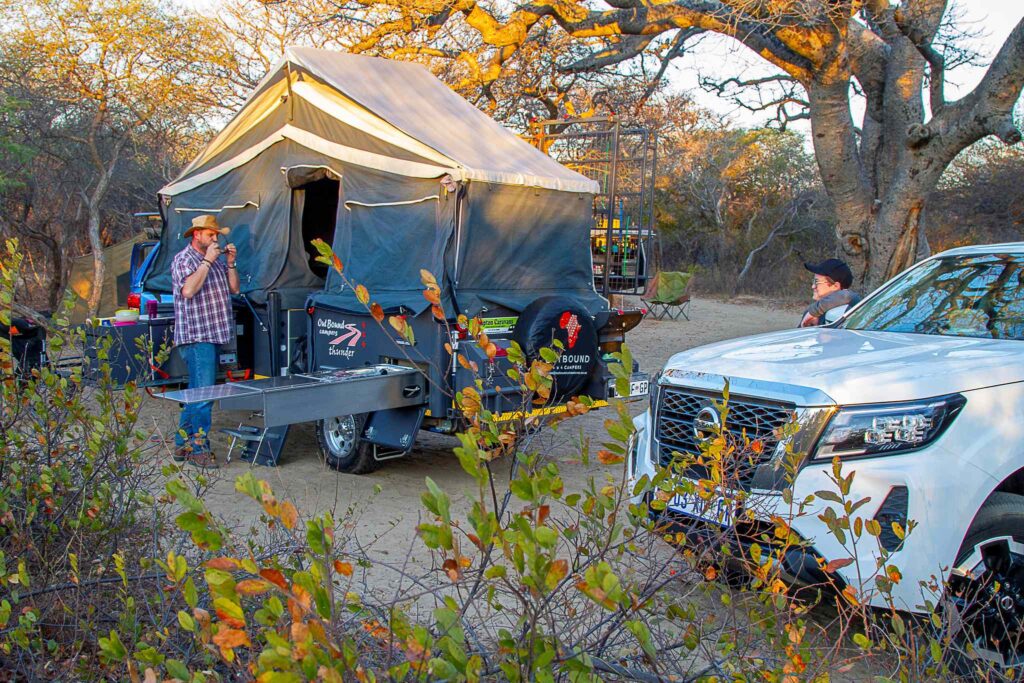
Yes, emphatically yes! Campsites, especially within national parks and popular reserves like Moremi, Chobe, Nxai Pan, and Makgadikgadi, are limited and fill up months, sometimes even a year, in advance, particularly during peak season (June to October). You cannot simply arrive and expect a spot. Plan your itinerary meticulously and book all your overnight stops well ahead of time.
4. How much fuel and water should I carry?
This is critical. You must carry sufficient fuel to cover long distances without refuelling, especially between major hubs like Maun and Kasane (via Savuti), where there are no fuel stations. Your consumption will also increase in thick sand. For water, a minimum of 3 litres per person per day for drinking is recommended, plus additional water for cooking and washing. Many park water sources are not potable.
5. How do I handle National Park permit fees and border crossings?

For National Park fees managed by the DWNP, it’s best to pay in advance. Gates often only accept cash for permits, and you’ll need to present your camping reservation voucher upon entry. Border crossings into Botswana are generally straightforward but can take time. Ensure you have all necessary vehicle documentation (registration, cross-border permits), valid driver’s licenses (international driving permit might be advisable), and be prepared for potential road permit and third-party insurance fees. Be aware of vet fences, where you’ll need to disinfect shoes and may not be allowed to carry raw meat across certain lines (e.g., from north to south due to foot-and-mouth disease restrictions).
6. What are the road conditions like?
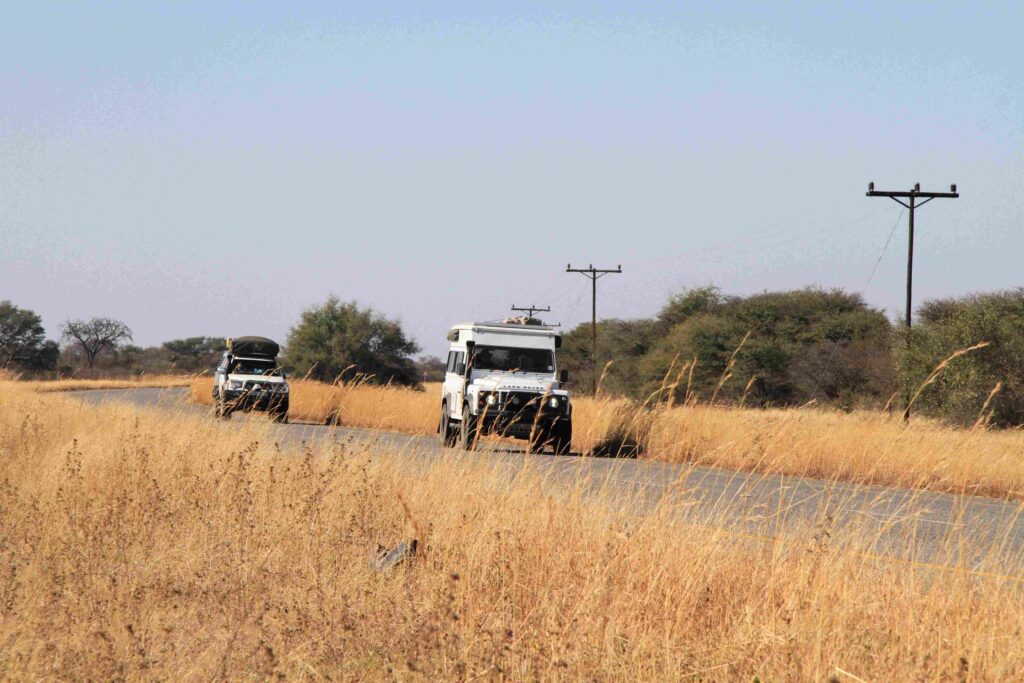
Botswana’s roads range from well-maintained tar roads between major towns to extremely challenging sandy tracks within the parks. Expect corrugations, deep sand, and potential water crossings (especially in the Delta region during flood season). Speeds will be much lower than you’re used to, so factor in ample travel time. Animals on the road are a common occurrence, so drive cautiously, especially at dawn and dusk.
7. Is it safe to overland in Botswana?
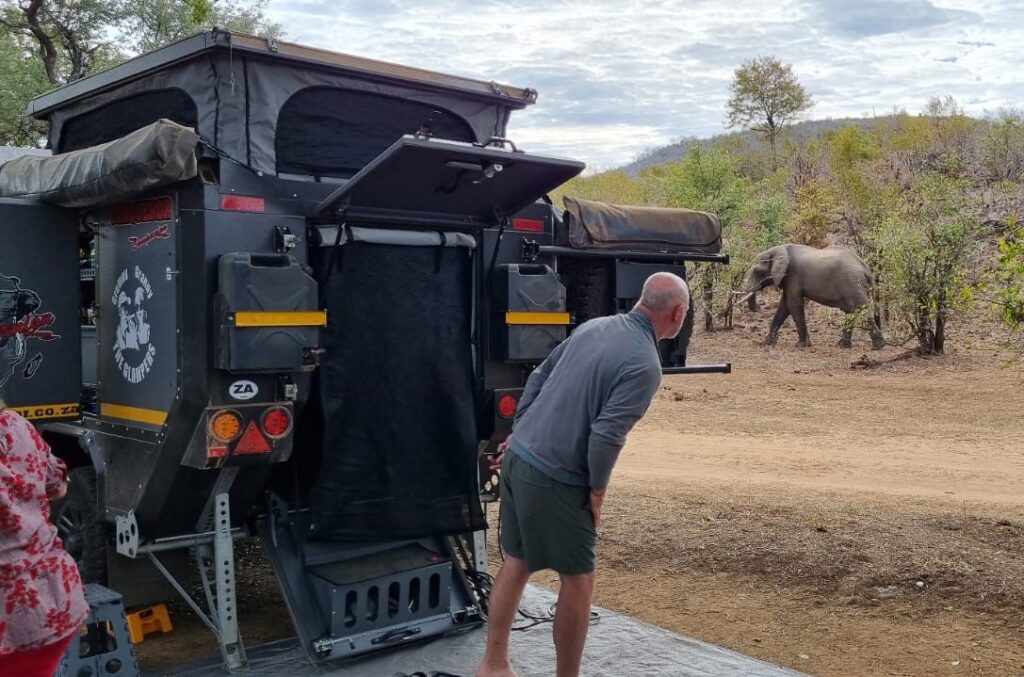
Botswana is generally considered a safe country for overlanding, known for its political stability and low crime rates. However, safety in the wilderness means respecting wildlife and being prepared for remote conditions. Never exit your vehicle in unfenced areas, maintain a safe distance from animals, and be aware of potential animal encounters in camp (hyenas, baboons, vervet monkeys are known for raiding). Carry a comprehensive first-aid kit and know how to use your recovery gear.
8. What about currency, ATMs, and communication?
The local currency is the Botswana Pula (BWP). While some places may accept USD, Euros, or ZAR, it’s best to use Bula. Cash is king in remote areas and for park fees. ATMs are available in larger towns like Maun and Gaborone but can be unreliable. Inform your bank of your travel plans to avoid card issues. Mobile phone coverage is decent in populated areas but largely non-existent in national parks and remote concessions, hence the need for a satellite phone or similar device.
9. When is the best time to go overlanding in Botswana?
The dry season (May to October) is generally considered the best for wildlife viewing as animals congregate around water sources, and the roads are less challenging. However, this is also peak season, meaning higher prices and more crowded campsites. The green season (November to April) offers lush landscapes, migratory birds, and lower prices, but brings challenges like heat, humidity, more mosquitoes, and potentially difficult muddy roads.
10. What should I pack for an overlanding trip?
Beyond your vehicle gear, pack:
- Layered clothing: For varying temperatures (days can be hot, nights chilly). Include long-sleeved options for sun and mosquito protection.
- Wide-brimmed hat, sunglasses, and high SPF sunscreen.
- Sturdy closed shoes and sandals.
- Insect repellent and malaria prophylaxis (consult your doctor).
- Basic medications and a comprehensive first-aid kit.
- Headlamp with spare batteries.
- Binoculars: Essential for wildlife viewing.
- Camera gear: With plenty of memory and spare batteries.
- Cooking equipment and non-perishable food supplies.
- Personal toiletries and biodegradable soap.
- Plastic bags are illegal in Botswana, so use reusable bags or containers.
Overlanding in Botswana is an adventure that demands preparation but rewards with unforgettable experiences. By addressing these common questions, you’ll be well on your way to planning a truly epic journey through one of Africa’s most remarkable wildernesses.