You’ve kitted out your rig. The suspension is sorted, the tyres are aggressive, and the roof tent is ready. You’ve plotted a course deep into the African bush – maybe the forgotten tracks of the Richtersveld or the vast, untamed wilderness of Botswana. Your entire trip relies on one thing: the reliability of your diesel engine.
But here’s the harsh reality that could stop your adventure dead in its tracks – the diesel you pump in South Africa can be a genuine threat to your modern 4×4.
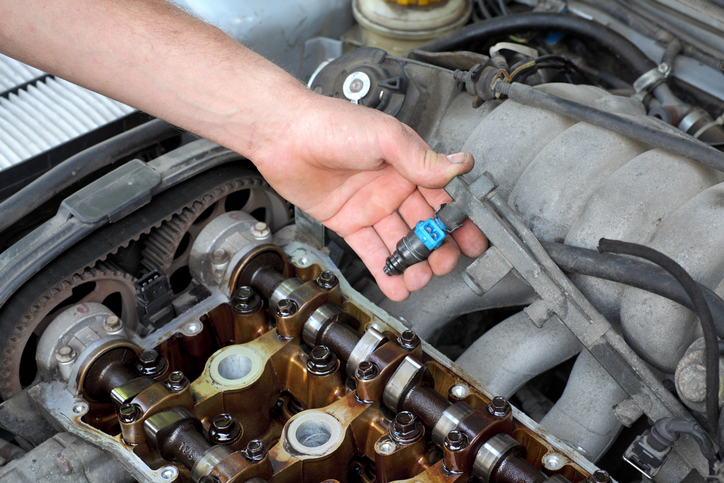
We’re not talking about a minor service niggle here. We’re talking about catastrophic engine failure, massive repair bills, and the very real possibility of being stranded hundreds of kilometres from the nearest mechanic. The culprit? The microscopic villain inside your High-Pressure Common Rail (HPCR) engine: injector deposits.
This isn’t a sales pitch for a miracle cure. It’s a detailed, evidence-based guide – backed by local data and expert analysis – to help you understand why diesel injector cleaners are no longer optional luxuries but essential pieces of survival gear for anyone overlanding in Southern Africa.

The African fuel reality: a tale of two standards
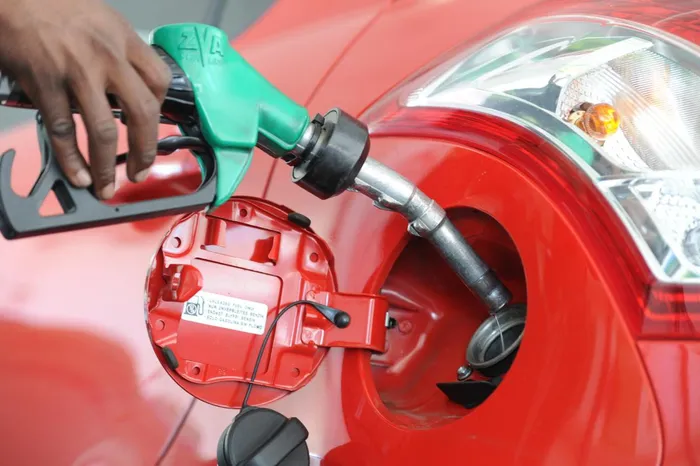
Our favourite 4x4s – your Toyota Hilux, Ford Ranger, Isuzu D-MAX, and Land Cruiser – are masterpieces of modern engineering. They use incredibly sophisticated HPCR systems designed to inject fuel at pressures exceeding 2 000 Bar (30 000 PSI). To put that in perspective, that’s about 400 times the pressure in your car’s tyre. This precision gives us great power, impressive fuel economy, and lower emissions.
But it comes at a cost: extreme sensitivity. These engines were designed for European fuels – specifically the Euro 5 standard – which limits sulphur to just 10 parts per million (ppm).
Now, look at what’s actually available in most parts of South Africa, especially once you leave the big city forecourts:
- 50 ppm diesel (low sulphur): Better than the old stuff, but still five times dirtier than what your engine was designed for.
- 500 ppm diesel (standard grade): Still widely available in small towns and remote areas. This fuel is a major contributor to accelerated wear and deposit build-up.
With fuel quality this inconsistent, injector fouling isn’t a risk – it’s a guarantee. The vast majority of available fuel, particularly the 500 ppm grade, contains insufficient Deposit Control Additives (DCAs) to protect the microscopic tolerances (often just 1 to 3 microns) of HPCR injectors. In other words, your high-tech engine is working with low-tech fuel.
The microscopic threat that kills performance
So, what’s actually happening inside that powerful engine – the one that could cost you R40 000, R100 000, or even R200 000 to repair?
Injector deposits come in two forms, and both are deadly to performance and longevity.
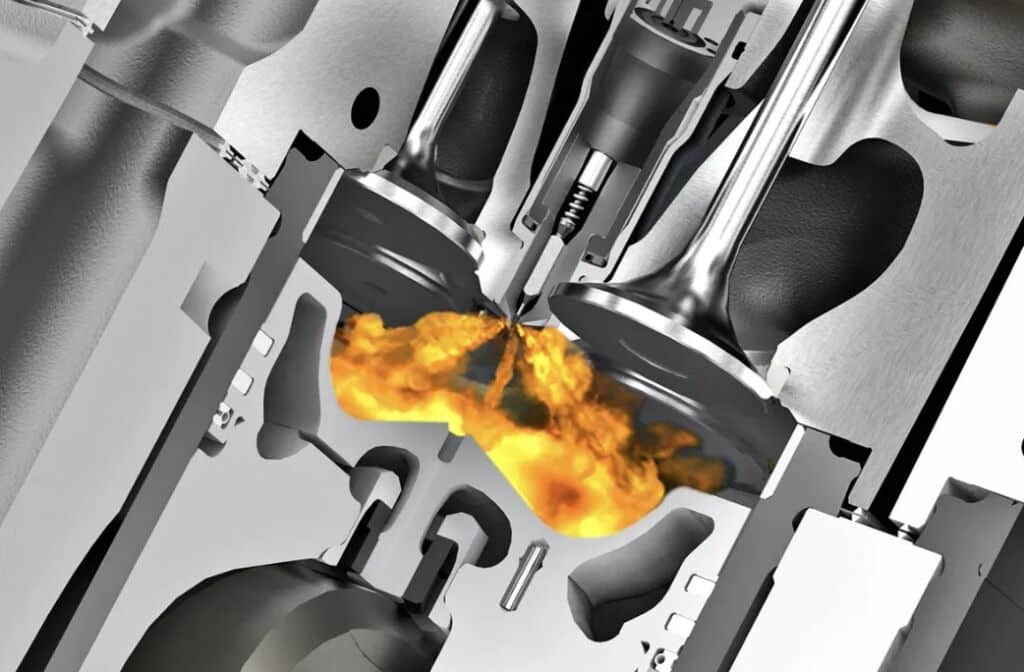
External nozzle coking (the hard stuff): Picture your injector tip spraying a perfect, fine mist of fuel. When you switch off the engine, a tiny bit of fuel remains on that tip. The heat and pressure of the next combustion cycle – reaching around 650°C – “cooks” this residue into hard carbon deposits. The result? The perfect spray pattern is ruined. Instead of a fine mist, you get thick, uneven streams. That means incomplete combustion, black smoke, rough idling, power loss under load, and increased fuel consumption.

Internal diesel injector deposits (IDIDs) (the sticky stuff): These form inside the injector body, particularly on the control valve. They’re often caused by contaminants such as zinc or sodium in poor-quality diesel, or by fuel degradation that leaves behind sticky gums and varnishes. The result is sluggish performance, poor throttle response, and an ECU that can’t manage the engine efficiently. In overlanding conditions – steep inclines, heavy loads, and high temperatures – this can mean the difference between cresting a dune and grinding to a halt.
The chemical cavalry: not all cleaners are created equal
Walk into any parts store and you’ll see a shelf full of “miracle” additives – but the real magic comes down to chemistry. Injector cleaners are only as good as their key detergent molecules, primarily from the amine-based family: PEA and PIBA. Understanding their roles is crucial.
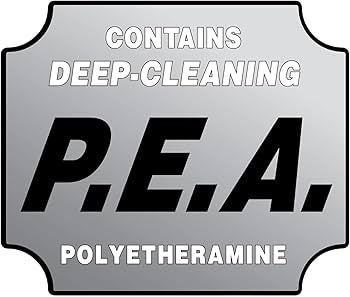
The deep-clean agent – Polyetheramine (PEA): PEA is the gold standard for aggressive, corrective cleaning. It’s a powerful nitrogen-based detergent that remains effective at the scorching temperatures inside the combustion chamber. It chemically bonds to hard, carbonaceous soot and dissolves it, allowing it to burn off safely. Use PEA if your vehicle shows symptoms like power loss, rough idling, poor economy, or if it has covered more than 50 000km on 500 ppm diesel. PEA is your recovery plan.
The keep-clean agents – PIBA and PIBSA: Polyisobutylene Amine (PIBA) and its relatives are milder detergents that prevent sticky residue build-up. PIBSA derivatives act as dispersants, keeping microscopic debris suspended so it passes safely through the system. For best results, use a PIBA-based formula regularly – ideally with every tank or at least every 3 000 to 5 000km. PIBA is your insurance policy.
In short: start with a PEA-based deep clean to restore performance, then maintain it with a PIBA or multi-functional additive to keep everything running smoothly.
Does the magic work? The evidence says yes
The question of whether these cleaners really work has been settled by rigorous, independent testing such as the CEC F-98-08 Peugeot DW10 engine test. The results are not subtle – they show measurable, real-world improvements.
| Performance Metric | Observed Improvement Range | Practical Benefit |
| Lost Power Restoration | Up to 87% of lost power recovered | Restores engine punch for sand driving and hill climbs. |
| Fuel Economy Improvement | Up to 12% documented in heavy vehicle fleet tests | Extends your fuel range when crossing remote territory. |
| DPF Regeneration Cycles | Reduction of up to 83% | Saves your costly Diesel Particulate Filter from early replacement. |
Imagine being deep in the Kalahari, fully loaded, and suddenly having up to 87% of your lost power restored just by clearing the injectors. That’s the difference between success and a very expensive tow.
For newer Euro 5 vehicles fitted with Diesel Particulate Filters (DPFs), clean injectors are crucial. Fouled injectors cause incomplete combustion, which produces excessive soot that clogs the DPF.
By promoting complete combustion, good additives reduce soot generation. Fleet testing has shown an 83% reduction in regeneration cycles when the right additive is used. Simply put: cleaning your injectors is one of the best things you can do to extend DPF life.
The OEM stance: warranty worries and legal clarity
Many owners hesitate to use additives out of fear of voiding their warranty – and understandably so. But the reality is more nuanced. Ford and Toyota, for instance, provide conflicting advice.

Ford typically advises against using unapproved products, taking a conservative legal stance. Toyota, on the other hand, actively recommends and sells its own “Genuine Toyota Pressurised Fuel Injection Cleaner”, which it suggests usingevery 10 000km. That alone acknowledges what every mechanic already knows: deposits are a real problem that fuel alone can’t solve.
Under South African consumer protection laws, a manufacturer can’t simply void your warranty for using a non-OEM additive. They must prove that the product directly caused the damage – and the lab testing required to prove that is so expensive that, practically speaking, you’re protected.
The safest bet is to stick with reputable global brands such as Wynn’s, Spanjaard, Redex or Liqui Moly – all of which perform rigorous testing to international standards and state that their products are warranty-safe when used correctly.
The overlander’s protocol: when and how to dose
Your additive strategy should match the tough, variable conditions of Southern African travel. You need a blend that tackles three weaknesses in local diesel: cleaning, lubricity, and combustion efficiency.
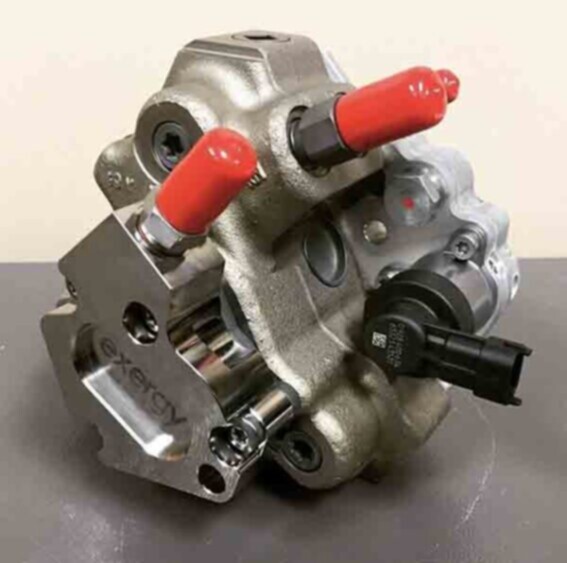
Lubricity – protecting the HPFP: Modern ultra-low sulphur diesel (ULSD) has poor natural lubrication. Your high-pressure fuel pump (HPFP) depends on the fuel for lubrication, so additives with lubricity enhancers are essential to prevent abrasive wear.
Cetane boost – efficiency and cold starts: Cetane improvers speed up fuel ignition, boosting the cetane number by 2 to 3 units. The result? Smoother combustion, less diesel clatter, and easier cold starts – perfect for frosty mornings in the Drakensberg or the Kalahari winter.
The recommendation protocol for the serious 4×4 driver
| Engine Condition/Fuel Use | Recommended Product Type | Purpose & Action | Frequency |
| Preventative Maintenance | PIBA/Multi-Functional Blend (Keep-Clean, Lubricity, Cetane Boost) | Stops deposits from forming, protects the HPFP, optimises economy, and aids cold starting. | Every tank or every 3 000km to 5 000km (must be routine). |
| Corrective Cleaning | PEA-Based Concentrate (Medium Dose) | Targets mild symptoms (slight power loss, rough idle) and removes initial hard carbon build-up. | One treatment over a full tank, repeated at the next service interval. |
| Pre-Trip/High Mileage | High-Concentration PEA Clean-Up | A serious dose to flush out severe fouling before you head into remote areas. | Once every 20 000km or before any major long-haul trip. |
Proven local brands

- Wynn’s Diesel Injector & Turbo Cleaner uses Cerium Technology to lower soot incineration temperature – a dual-purpose bonus for turbo and DPF health.
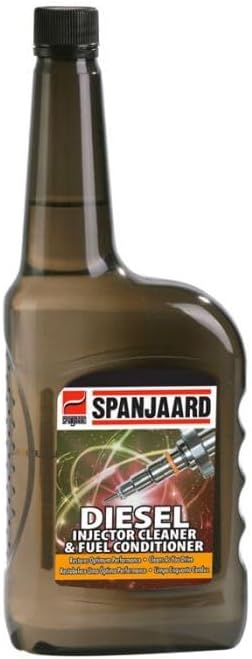
- Spanjaard Diesel Injector Cleaner & Fuel Conditioner offers cleaning, corrosion protection, and a cetane boost of 2 to 3 units.
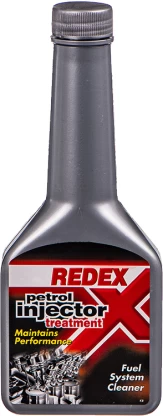
- Redex provides a range of DPF and injector cleaners suitable for regular maintenance.
Final verdict: pay now or pay later
The conclusion is clear – diesel injector cleaning isn’t optional maintenance anymore; it’s a necessity. The cost of a good additive is trivial compared with the price of injector replacement or a DPF rebuild.
In the world of overlanding, reliability is everything. A diesel injector cleaner isn’t just a chemical in a bottle – it’s insurance that keeps your engine humming, your range extended, and your trip on track. Make it part of your routine maintenance and pre-trip checklist.
Don’t let South Africa’s fuel quality turn your reliable 4×4 into a stranded time bomb.