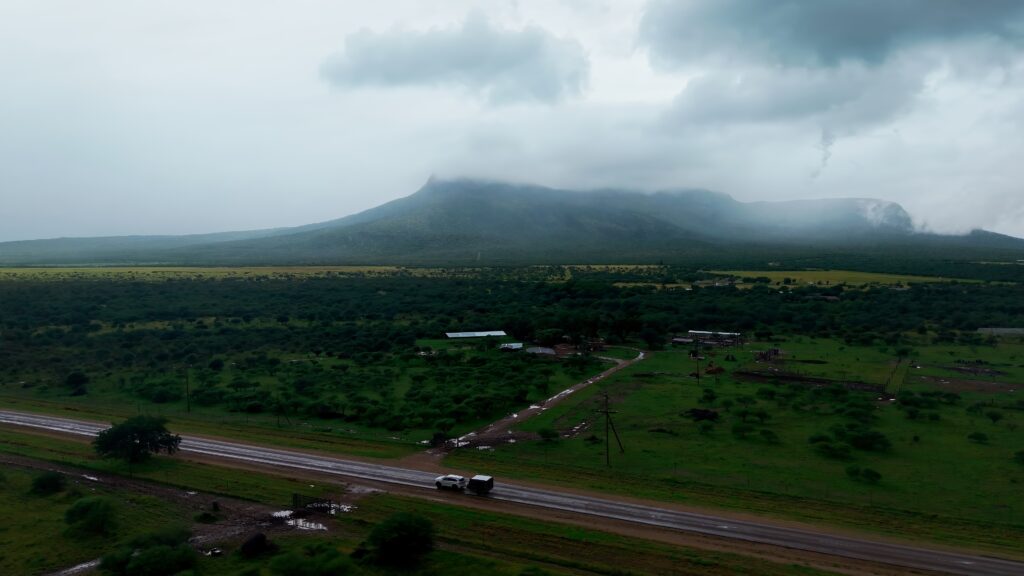
Our latest expedition for Adventure Afrika was designed as a rigorous test for Isuzu South Africa’s newest contender, the Isuzu MU-X Onyx XT. While our original plan was to explore the mystical redwood forests and Lake Fundudzi in Venda, a flooded bridge at Ntakeni forced us into a “Plan B” that proved to be even more spectacular. The rugged, baobab-studded landscapes of the Mapungubwe region became our new destination.
The new standard
The Onyx XT is more than just a facelift. It is a statement of intent from Isuzu. As the flagship of the range, it balances its rugged heritage with a more premium feel.
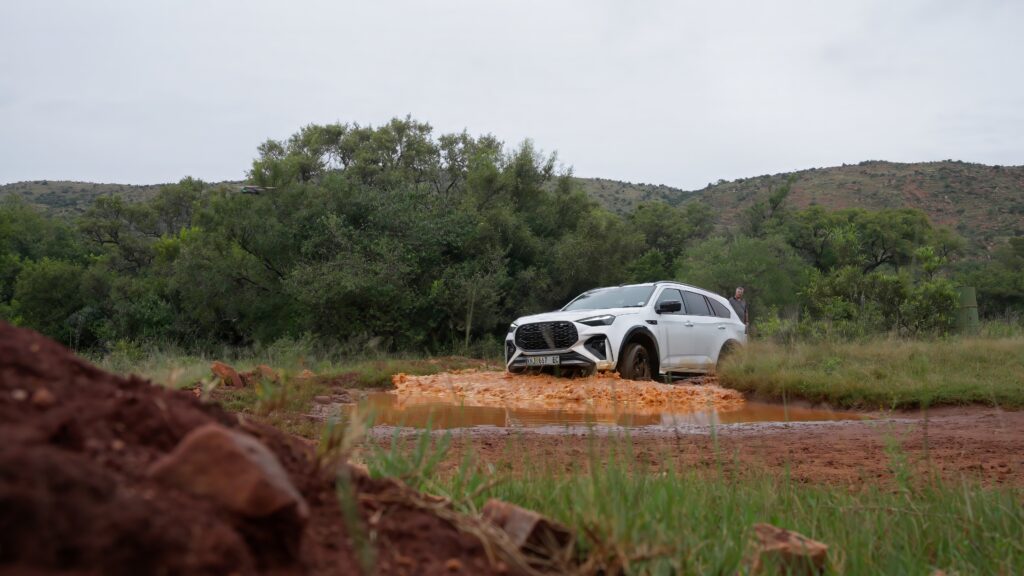
Visually, the XT stands out with a reworked front end featuring a larger gloss black grille and restyled LED headlamps. It also gains 20-inch gloss black alloy wheels fitted with 265/50 R20 tyres, giving it a commanding presence on and off the road.

Under the bonnet, the familiar 3.0-litre turbodiesel engine remains the heart of the package, providing the grunt needed for a 1 400 km trek while towing the Outbound Storm caravan. Inside, the cabin has evolved with a larger infotainment system and additional driver assistance features, including a tyre pressure monitoring system (TPMS) and seat warmers that add comfort on longer journeys.
A change of course
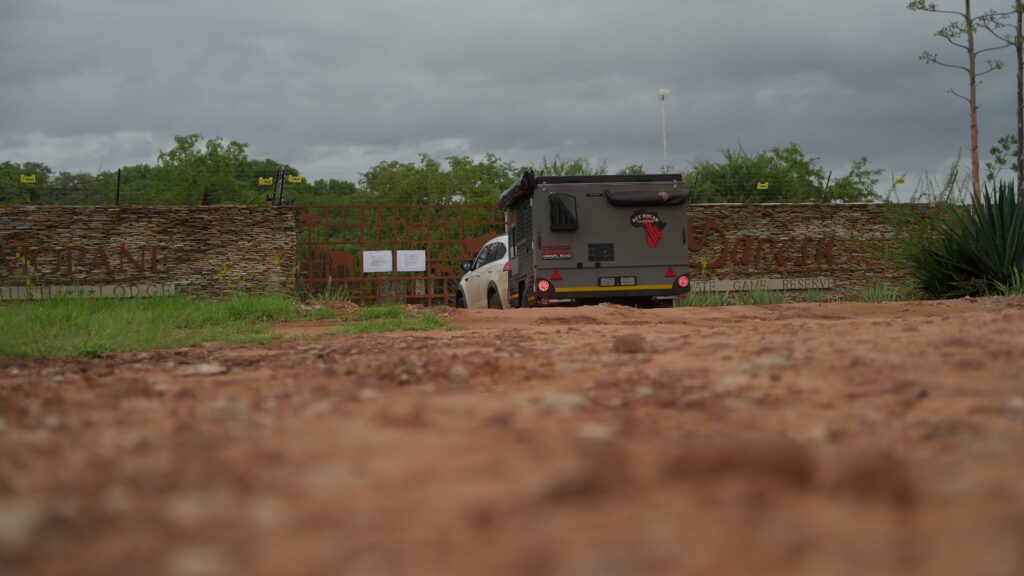
The trip started with a typical expedition brain fade. Just two kilometres into our journey, I realised I had forgotten our GPS coordinates and route notes. By the time we turned back and got moving again, we had lost 50 minutes, a delay that would ultimately work in our favour.
As we approached Polokwane, news reached us that the Mutale River had flooded the access bridge to our original destination. No one could get in or out of the campsite. This led us to Mapesu Private Game Reserve, a 7 000-acre sanctuary just six kilometres from Mapungubwe. At R265 per person per night, it offers an unfenced “mini Botswana” experience where you can camp under massive baobabs with the Big Five roaming nearby.

The Den Staat road
Once settled at Mapesu, we turned our attention to the local routes. The Den Staat road is one of the most rewarding public drives in Limpopo.
Stretching approximately 25 kilometres, it is a public thoroughfare that splits Mapungubwe National Park into its eastern and western sections.
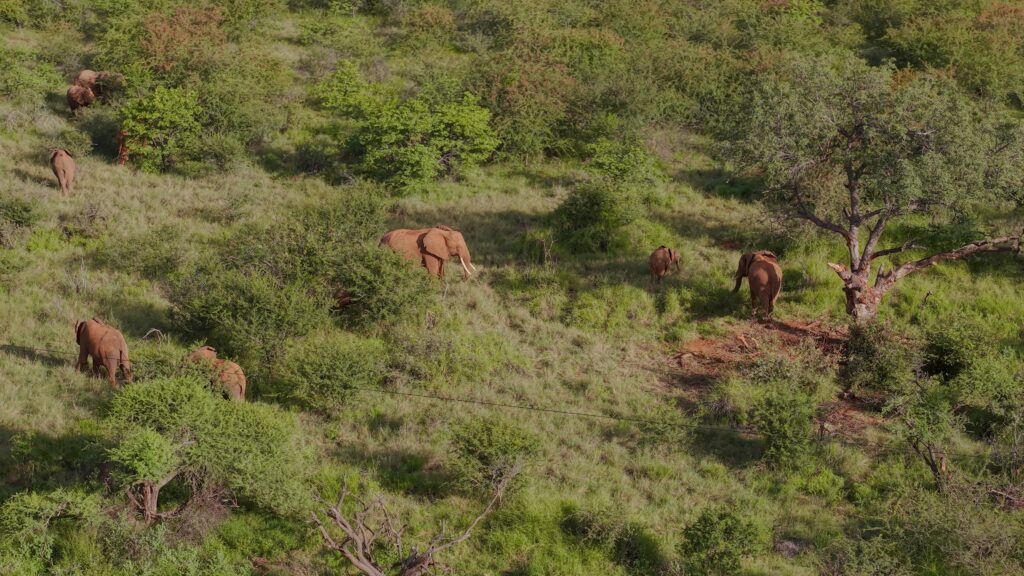
Driving this corridor in the MU-X, we were treated to a constant parade of wildlife.
We encountered several herds of elephants, but one sighting stood out. A massive breeding herd of roughly 50 to 60 individuals moved through the rain-greened bush. Despite their size, they navigated the thickets with surprising grace, their wrinkled grey hides contrasting with the vibrant new growth of the riverine forest.
The sheer volume of plains game alongside the road was equally impressive. Zebra and blue wildebeest were abundant, their numbers clearly boosted by fresh grazing. The animals appeared relaxed, often standing just metres from the vehicle, allowing for excellent footage of their natural behaviour.
For birders, the region was in peak form. We logged the kori bustard, the world’s heaviest flying bird, along with the striking saddle-billed stork. Raptors patrolled the skies above, with the highlight being a martial eagle perched in a leadwood tree.

Perhaps the most immersive part of the experience was the sound of the bush.
Using high-sensitivity microphones connected to our filming equipment, I sat in the cabin with earphones and experienced remarkable detail. The crunch and rip of elephants pulling grass from the earth and the rhythmic thud of their padded feet created a vivid soundscape. This was punctuated by the unmistakable call of the woodland kingfisher, a sound that defines a South African summer in the bush.
Heritage and environment
Mapungubwe is as much about history and ecology as it is about 4×4 trails.
We visited the confluence where the Shashe and Limpopo rivers meet, the point where South Africa, Botswana and Zimbabwe converge. The area is steeped in history, with engravings left by the Royal Engineers from the early 1900s, a relic from the Anglo-Boer War.
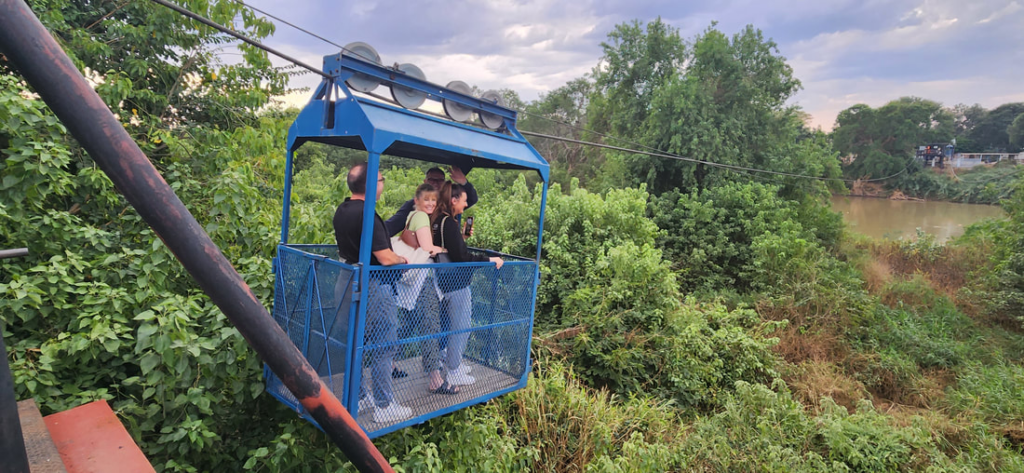
Nearby, at Pondrift Border Post, we inspected the private cable car that ferries guests across the Limpopo into Botswana. During the rainy season, this becomes the only viable crossing.
At Mapesu, our experience was further enhanced by an endangered wildlife tracking session. Using radio telemetry, we located two male cheetah brothers resting just 10 metres from us.
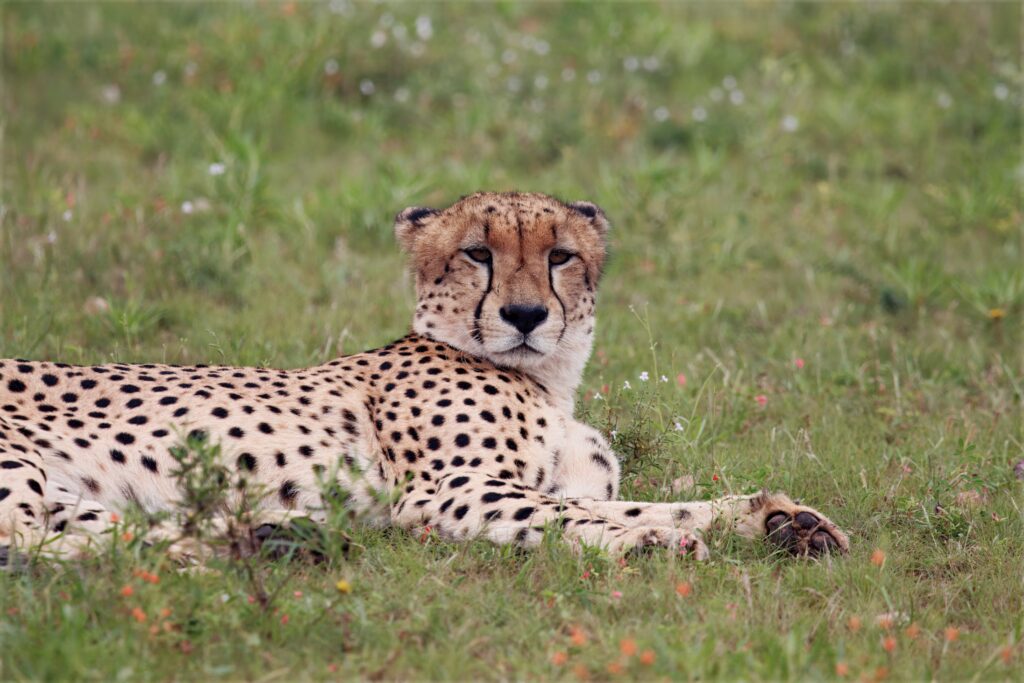
Later, we tracked a pack of African wild dogs, one of the continent’s most efficient hunters with a success rate of around 70%. Watching them in a dry riverbed was a privilege.
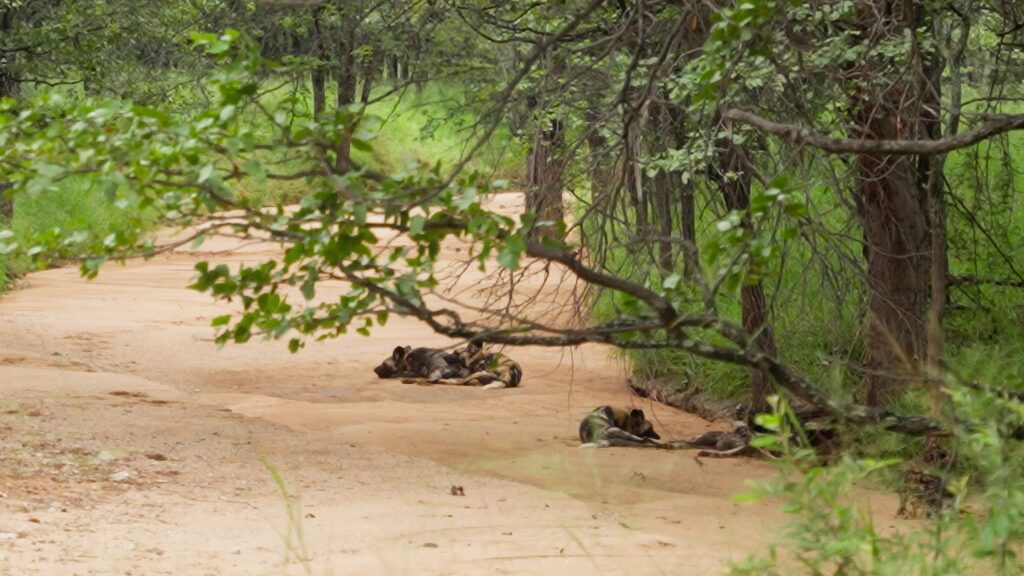
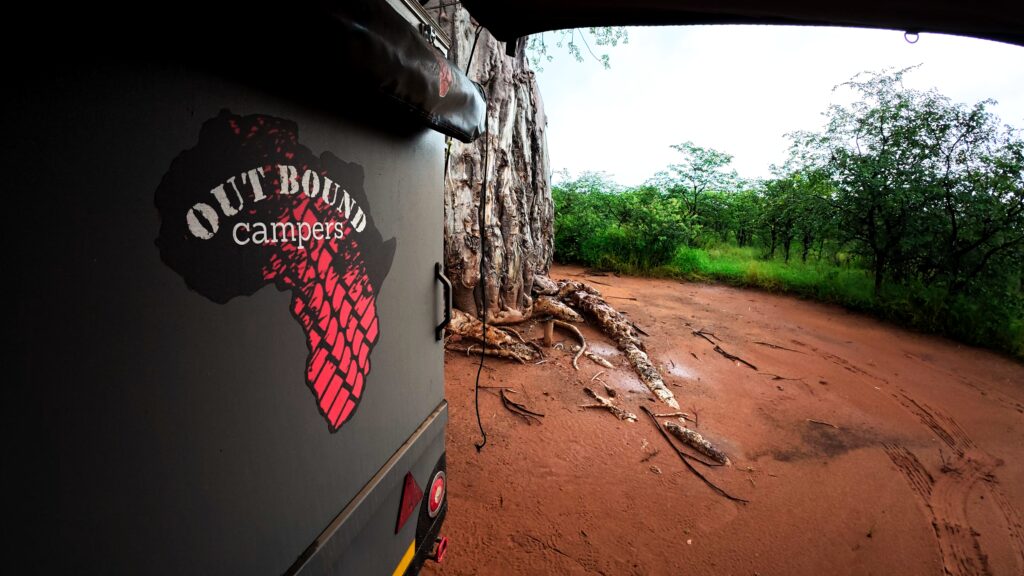
One of the more sobering observations was the impact on baobab trees. The growing elephant population is stripping the bark from these ancient trees. As a result, they lose their ability to retain moisture and eventually collapse. SANParks has begun wrapping some of the trunks in wire mesh to help protect them.
A north well travelled
Our journey through the Mapungubwe region was a vivid reminder that the best stories often begin where the original plan ends.
There is a quiet, humbling stillness at the confluence of the Shashe and Limpopo rivers, where three countries meet under a vast sky. Whether it was the sound of an elephant herd moving through the river forest or the sight of ancient baobabs standing against the elements, the experience offered a valuable sense of perspective.
The Isuzu MU-X Onyx XT carried us through mud and rain while allowing us to fully immerse ourselves in a landscape where time is measured differently.
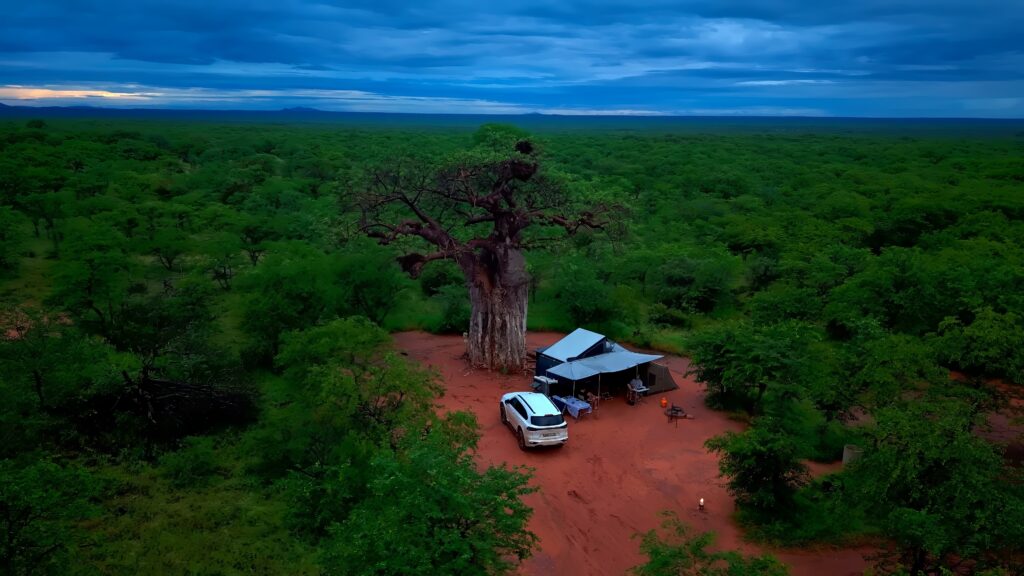
The Isuzu MU-X Onyx XT

No expedition is possible without a reliable vehicle, and for this trip, the MU-X Onyx XT proved to be a capable companion.
The 3.0-litre turbodiesel engine delivers 140kW and 450Nm of torque. Even with the Outbound Storm in tow, the vehicle never felt underpowered. We recorded an average fuel consumption of between 14 and 15 litres/100km over the 1 400 km journey, which included heavy towing and muddy conditions.
The 4×4 system remains intuitive. On gravel roads, engaging 4H allowed for confident progress, while low range ensured we navigated wet and muddy sections without difficulty.
The interior has seen a welcome digital upgrade, including a larger infotainment system and TPMS, both useful features for overlanding.
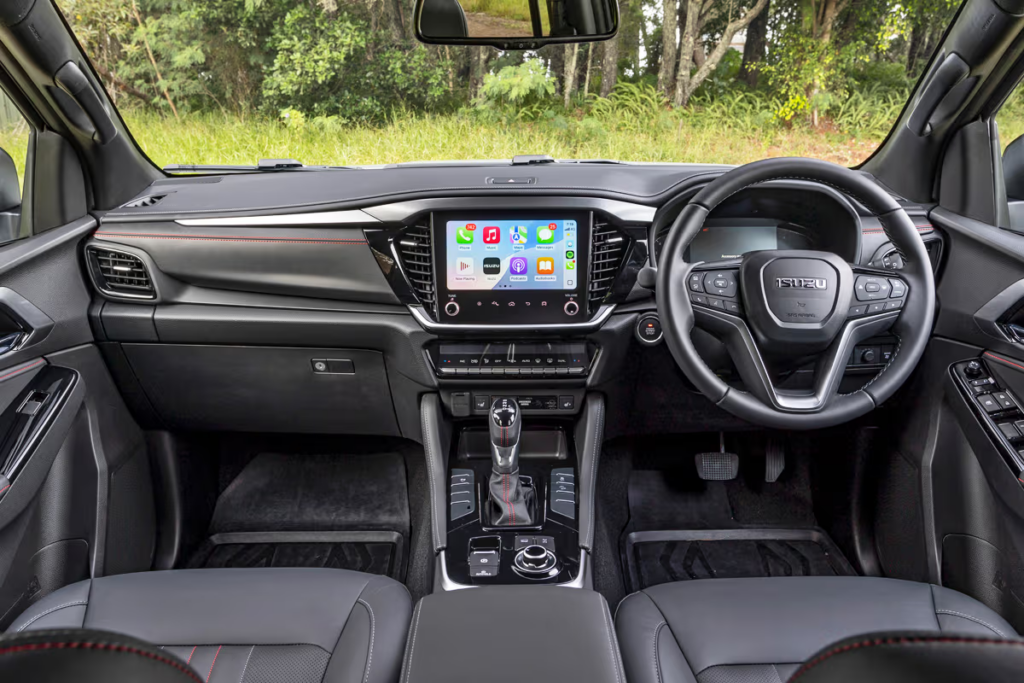
There were a few minor observations during the trip. The adaptive cruise control occasionally struggled in heavy rain, and the emergency braking system was sometimes triggered by low-hanging vegetation. These were minor irritations in an otherwise well-rounded package.
Isuzu MU-X Onyx XT Specifications
| Feature | Specification |
| Engine | 3.0-Litre Turbodiesel (4-Cylinder) |
| Power / Torque | 140 kW @ 3,600 rpm / 450 Nm @ 1,600-2,600 rpm |
| Transmission | 6-Speed Automatic |
| Drive System | Part-time 4WD with Rear Diff-Lock |
| Towing Capacity | 3,500 kg (Braked) |
| Wheels & Tyres | 20-inch Gloss Black Alloys (265/50 R20) |
| Fuel Tank | 80 Litres |
| Ground Clearance | 235 mm |
| Price | Approximately R1,026,800 |
The Outbound Storm
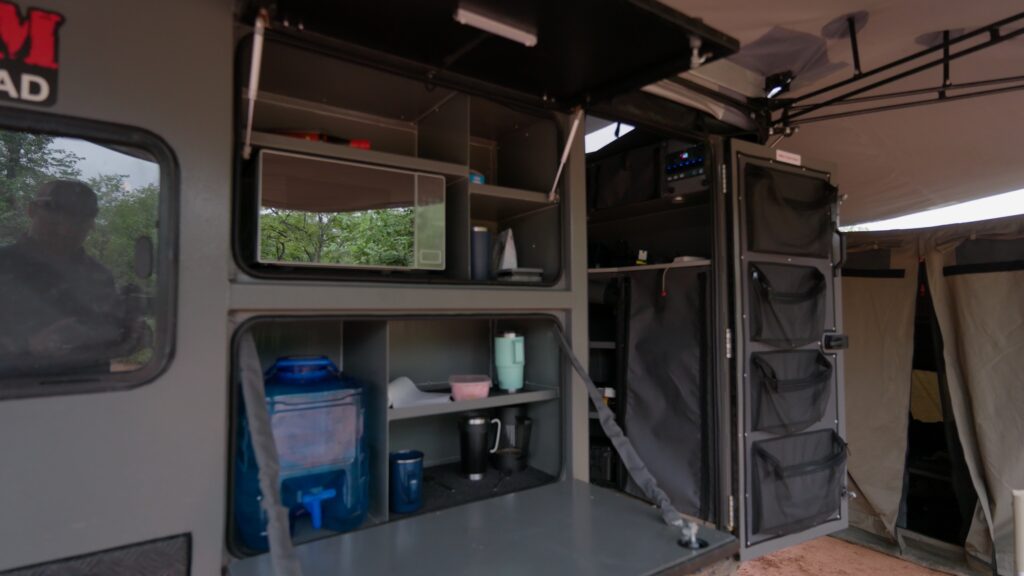
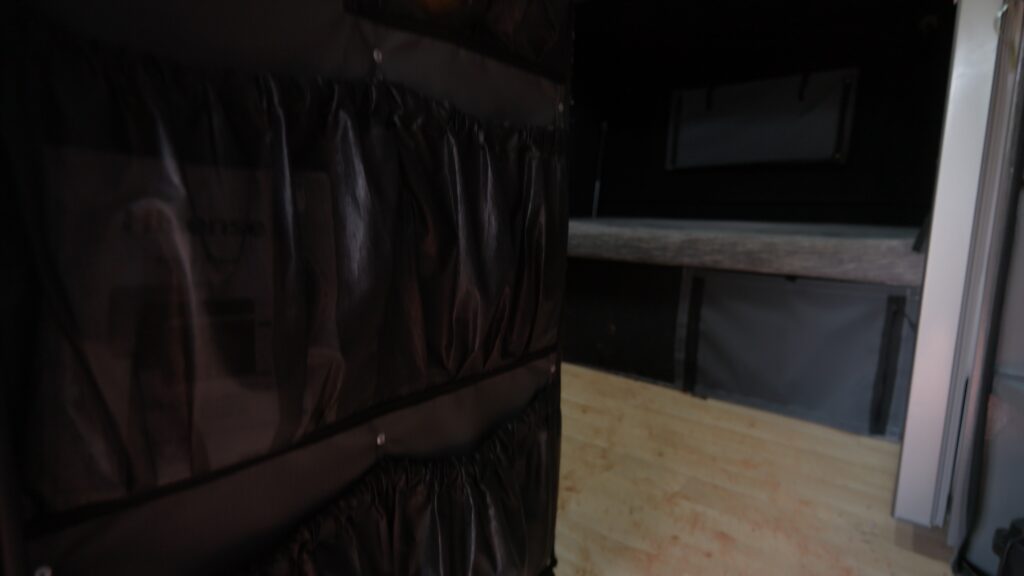
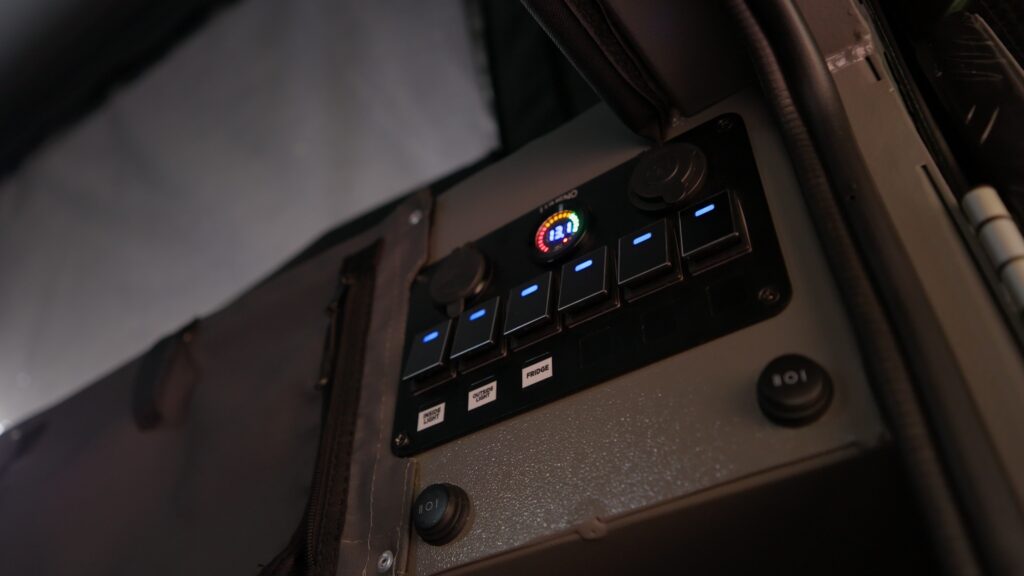
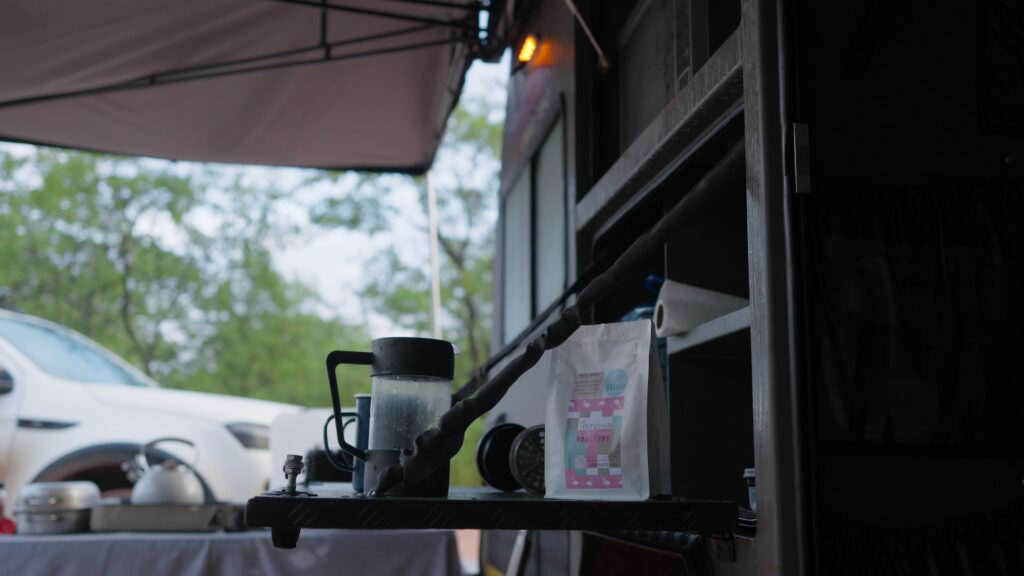
The Outbound Storm proved to be an excellent partner for the journey. As a four-berth gravel-road caravan, it strikes a balance between durability and comfort.
Towing stability was impressive. Even during sudden manoeuvres, the caravan remained composed and quickly corrected its line. Its relatively light tare mass makes it manageable, while the suspension handles corrugated gravel roads well.
Inside, it is well equipped for extended stays. The 154-litre fridge, dual power options and practical kitchen setup make daily camp life easy. The addition of an air conditioner proved invaluable during humid conditions.
Technical Specifications
| Feature | Specification |
| Type | 4-Berth Gravel-Road Caravan |
| Tare Mass | 960 kg |
| GVM | 1,400 kg |
| Payload | 440 kg (includes 50L water tank) |
| Suspension | 8-Leaf Spring System |
| Fridge/Freezer | 154 Litre (12V / 220V) |
| Water Capacity | 50 Litre Tank |
| Kitchen | Slide-out Gas Stove & Built-in Microwave |
| Power System | 12V Battery System (220V Compatible) |
| Estimated Price | R374,900 to R440,000 (depending on options) |
Final thoughts
The Isuzu MU-X Onyx XT proved itself as a capable expedition partner. Despite a few minor electronic sensitivities, it handled challenging conditions with confidence.
The Outbound Storm complemented the vehicle perfectly, offering stability, comfort and practicality throughout the journey.
Sometimes, a flooded bridge is exactly what you need to discover something better.