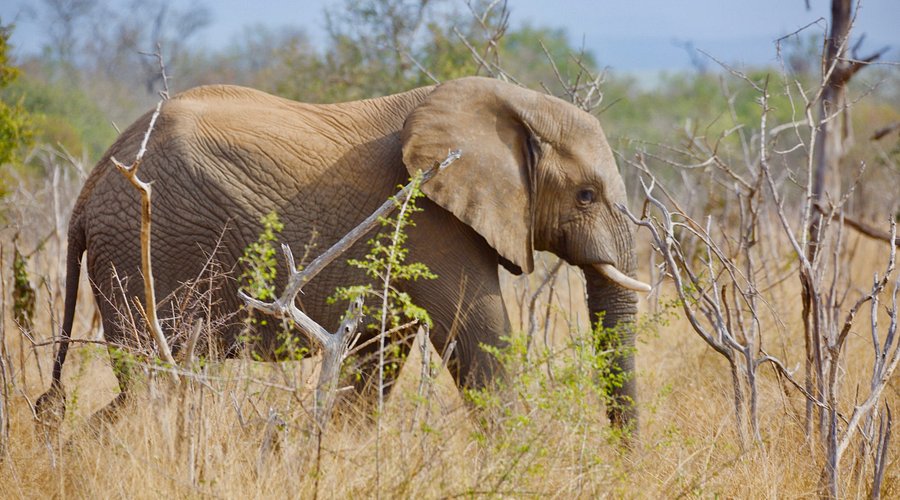
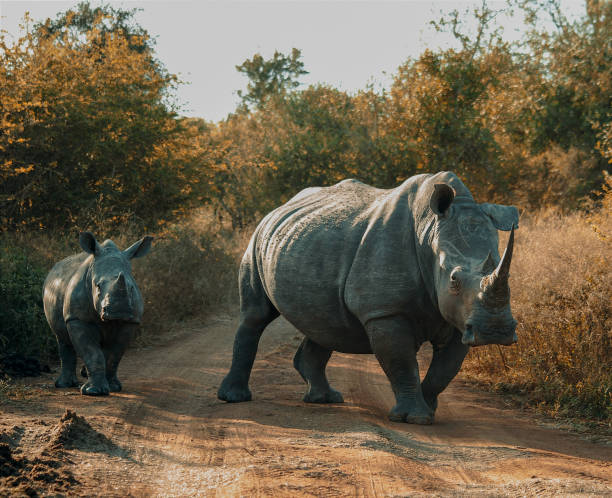
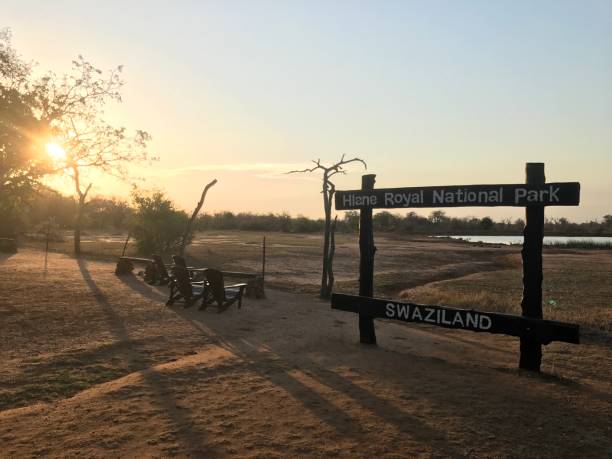
Established as a protected area in the 1960s and later proclaimed a national park, Hlane Royal National Park is the largest protected wilderness in Eswatini. Once a royal hunting ground for the Swazi monarchy, Hlane (meaning “wilderness”) now stands as a vital sanctuary for wildlife conservation, offering one of the most accessible Big Game experiences in Southern Africa.
Covering approximately 30,000 hectares, the park is characterised by open savannah, ancient hardwood forests, and scattered waterholes that attract a variety of species year-round. Unlike many larger parks, Hlane offers a more intimate safari feel-raw, unfenced in parts, and deeply connected to its cultural heritage.
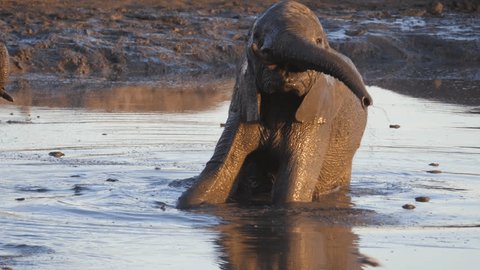
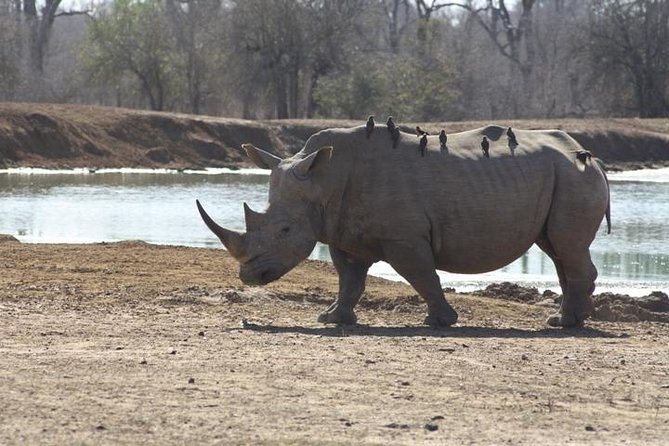
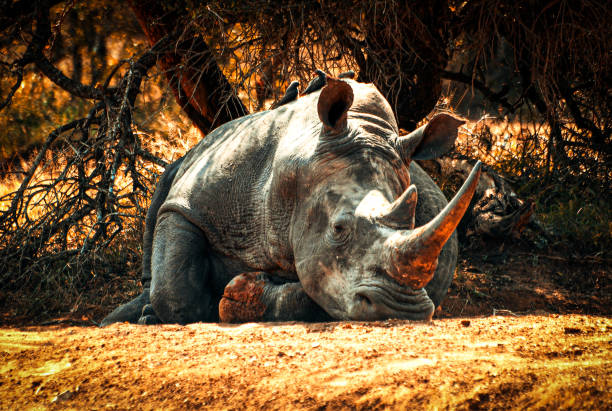
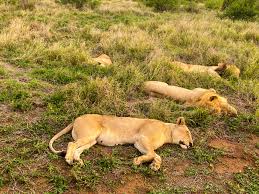
The park is home to iconic species such as white rhino, elephant, and lion, alongside giraffe, zebra, and a rich diversity of antelope. Birdlife is equally impressive, with over 300 recorded species, making it a hidden gem for birdwatchers.
Whether you’re tracking rhino on foot with an armed ranger or enjoying a traditional braai at Ndlovu Camp under towering leadwood trees, Hlane delivers a grounded, authentic bush experience.

Frequently Asked Questions (FAQ)
1. Where is Hlane Royal National Park located?
It lies in eastern Eswatini, near the town of Siteki. The park is easily accessible from Manzini and the King Mswati III International Airport.
2. What is the best time to visit?
The dry winter months (May–September) are best for game viewing as animals gather at waterholes. Summer (October–April) brings lush greenery and excellent birding.
3. What are the park entry fees for 2026?
International visitors can expect to pay around SZL 50–100 per person per day, with additional vehicle fees. Prices may vary, so it’s best to confirm before travel.
4. Can I self-drive in Hlane?
Yes, self-driving is allowed in certain areas, but some sections-especially lion zones-are only accessible via guided game drives for safety reasons.
5. What wildlife can I expect to see?
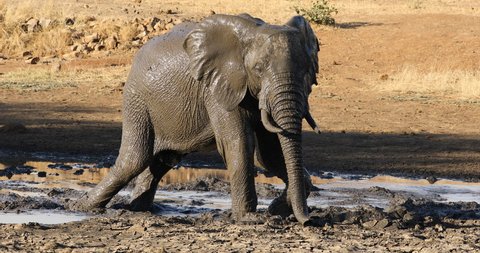
Hlane is famous for its white rhino population, as well as lion, elephant, giraffe, zebra, wildebeest, and antelope species like impala and kudu.
6. Do I need to book accommodation in advance?
It is highly recommended, especially during peak travel seasons and weekends.
7. Is Hlane a malaria area?
Yes, particularly in the summer months. Consult your doctor about preventative measures before visiting.
8. What are the gate hours?
Typically, gates open around sunrise (±06:00) and close at sunset (±18:00), though times may vary slightly by season.
9. Can I visit Hlane as a day trip?
Yes, it’s ideal for day visitors, especially those based near Manzini or passing through eastern Eswatini.
10. What should I pack?
Neutral clothing, sunscreen, a hat, binoculars, insect repellent, and plenty of water. Even on short drives, preparation is key.
Accommodation & Contact Details
| Accommodation Type | Example Provider | Estimated Price (2026) | Contact Info |
| Rest Camp | Ndlovu Camp | ~SZL 300–600 pppn | biggameparks.org |
| Self-Catering | Bhubesi Camp | ~SZL 400–800 per unit | biggameparks.org |
| Guided Safari Stay | Big Game Parks | Various packages | biggameparks.org |