How many double-cab bakkie variants do you think are currently on sale in South Africa? Fifty? Maybe a hundred if you’re feeling generous?
Try 168.
That’s how many factory-approved double-cab derivatives you can walk into a dealership and order right now. And no, that isn’t a typo. Once you start unpacking what qualifies as a separate derivative, the number begins to make a lot more sense. We’re talking 4×2 and 4×4 drivetrains, diesel and petrol engines (with hybrids now firmly in the mix), manual and automatic gearboxes, different trim levels, cab specifications and equipment grades. Change one variable and, officially, you’re looking at a different model.
Among those 168 double cabs, Toyota contributes the biggest slice of the pie. The Hilux’s famously broad line-up – stretching from hard-nosed workhorses to plush lifestyle variants – means Toyota’s derivative count climbs quickly. It’s a similar, if slightly less expansive, story for brands like Ford, Isuzu and Mahindra, each offering far more variety than most buyers initially realise.

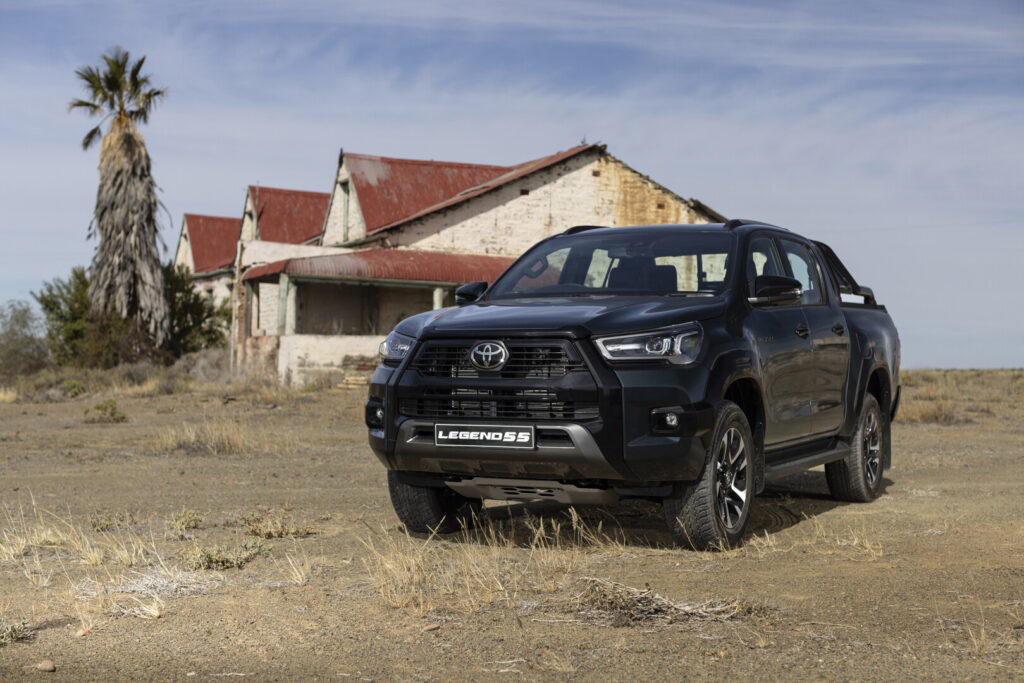
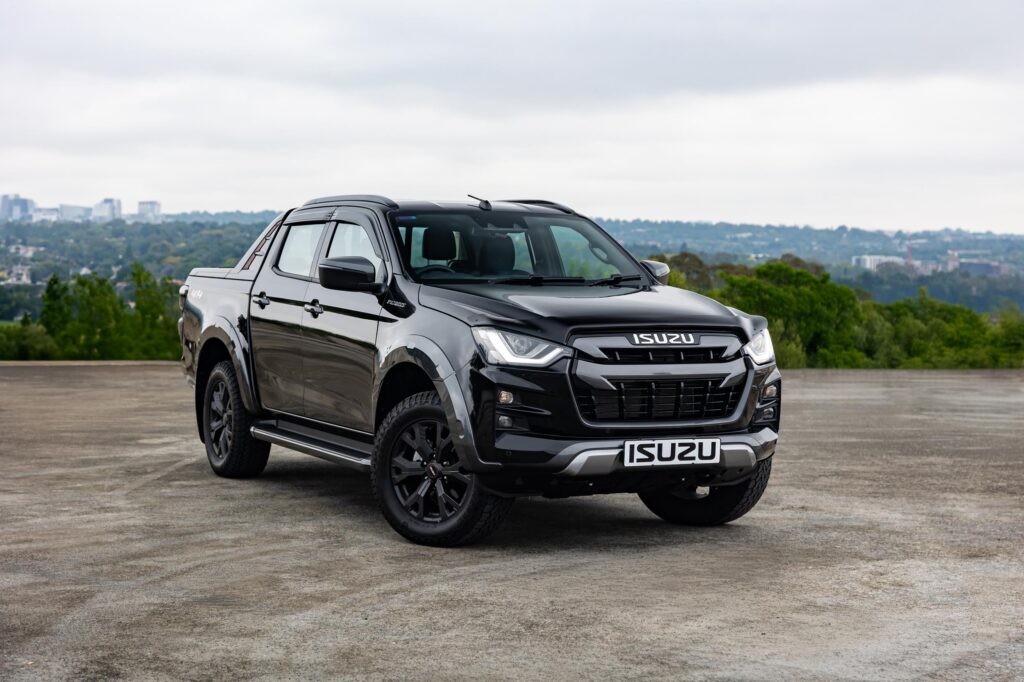
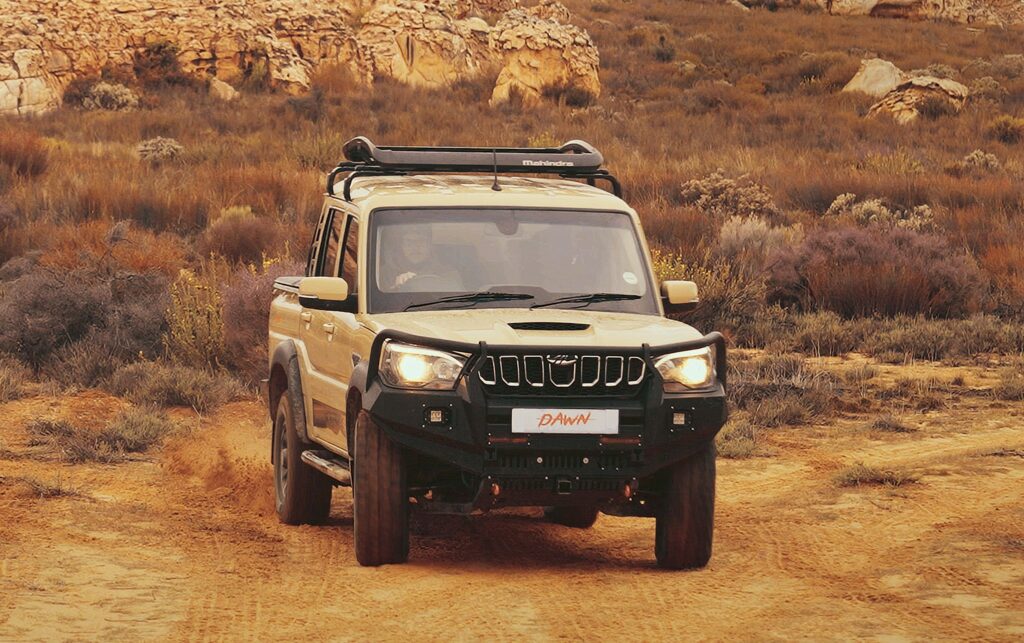
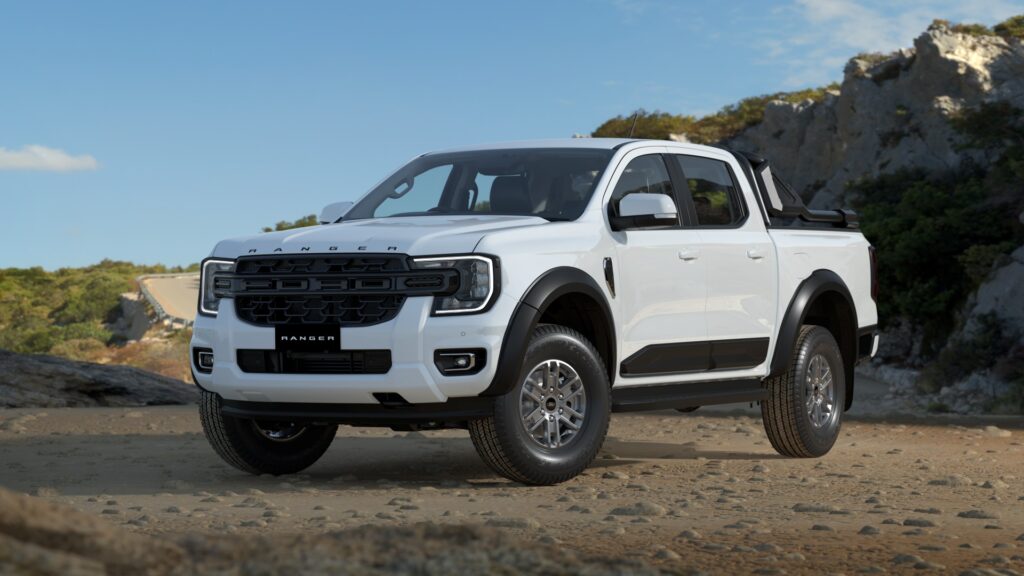
Of course, numbers alone don’t explain why double cabs dominate the South African market so completely. The real reason is versatility. The modern double cab has become the ultimate automotive all-rounder.
It can handle the school run and the daily commute during the week, swallow work gear or weekend clutter without complaint, and then head off towing a boat or caravan when Friday afternoon rolls around. Add proper 4×4 capability and it becomes a legitimate adventure vehicle too. Few other vehicle formats can juggle that many roles without feeling like a compromise.
There’s also a cultural element at play. In South Africa, the bakkie isn’t just transport – it’s part of the furniture. Double cabs have long since crossed over from being purely tools of the trade into socially acceptable family vehicles, often replacing large SUVs in the process. Manufacturers have leaned hard into that shift, loading modern bakkies with infotainment systems, driver-assistance tech, leather upholstery and comfort features that make long trips genuinely pleasant. It’s little wonder buyers keep flocking to them – and brands keep expanding their ranges.
What’s new for 2026 – updates, newcomers and big shifts
If 168 double-cab variants feels like a lot now, the number isn’t standing still. A fresh wave of new models, updates and expanded line-ups is set to land in 2026, promising even more choice and sharper competition.
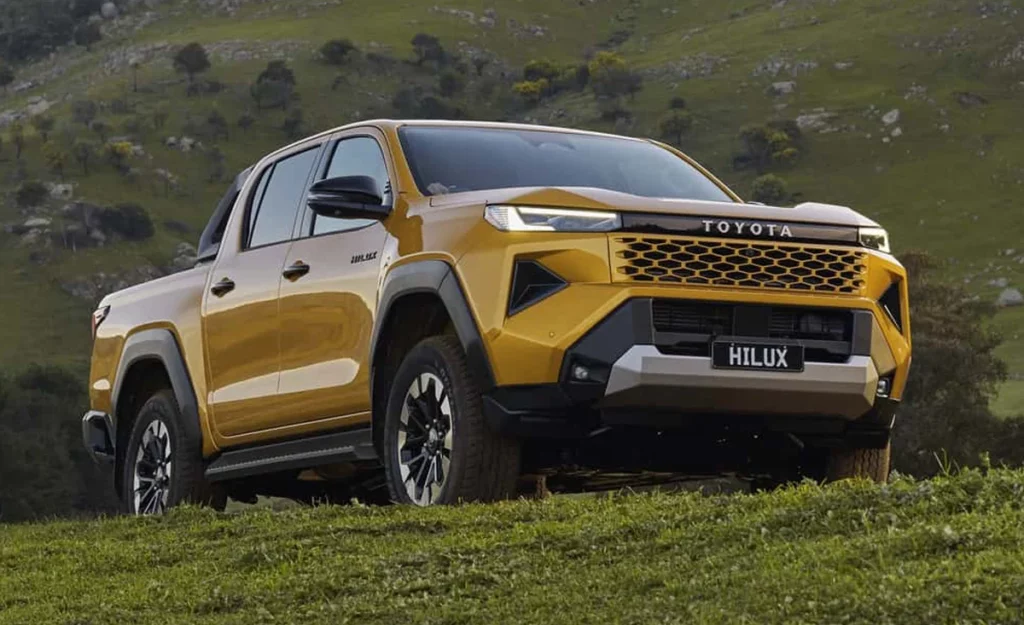
Toyota – Hilux evolution continues
Even a name as entrenched as the Hilux isn’t immune to change. Toyota has confirmed that a next-generation model is in development globally, with a likely South African arrival towards the end of 2026 or early 2027. While local details remain under wraps, expectations include updated underpinnings, revised engine options and a step up in technology. In a market where the Hilux is effectively a benchmark, any generational shift is a big deal – and one that will almost certainly push Toyota’s derivative count even higher.
Ford – Ranger refresh
Ford’s Ranger is lined up for a mid-life update in 2026. Internationally, the model has already received enhancements to styling, infotainment and safety systems, and those changes are expected to filter through to local models. A phased introduction of refreshed 4×2 and 4×4 derivatives is likely, keeping the Ranger firmly in the thick of the sales race and ensuring it remains one of the most competitive offerings in the segment.
Isuzu – D-Max refinements
Isuzu tends to evolve rather than reinvent, and 2026 should bring measured updates to the D-Max range. Expect subtle cosmetic changes and specification improvements, particularly in areas like infotainment and driver-assistance technology. For a bakkie prized for durability and dependability, incremental improvements are often all that’s needed to stay relevant.
Volkswagen Amarok – ranger-based evolution
The current Volkswagen Amarok shares its platform and drivetrains with the Ranger, so the two are closely linked. As Ford updates engines and specifications, those changes are expected to carry over to the Amarok line-up as well. Volkswagen will continue to put its own spin on the formula, with distinctive styling and a more premium interior feel, but mechanically the Amarok’s evolution will mirror that of its Ford sibling.
Other plausible entrants and noteworthy updates
The established players won’t have the stage entirely to themselves, and several familiar names are quietly maintaining or expanding their presence.
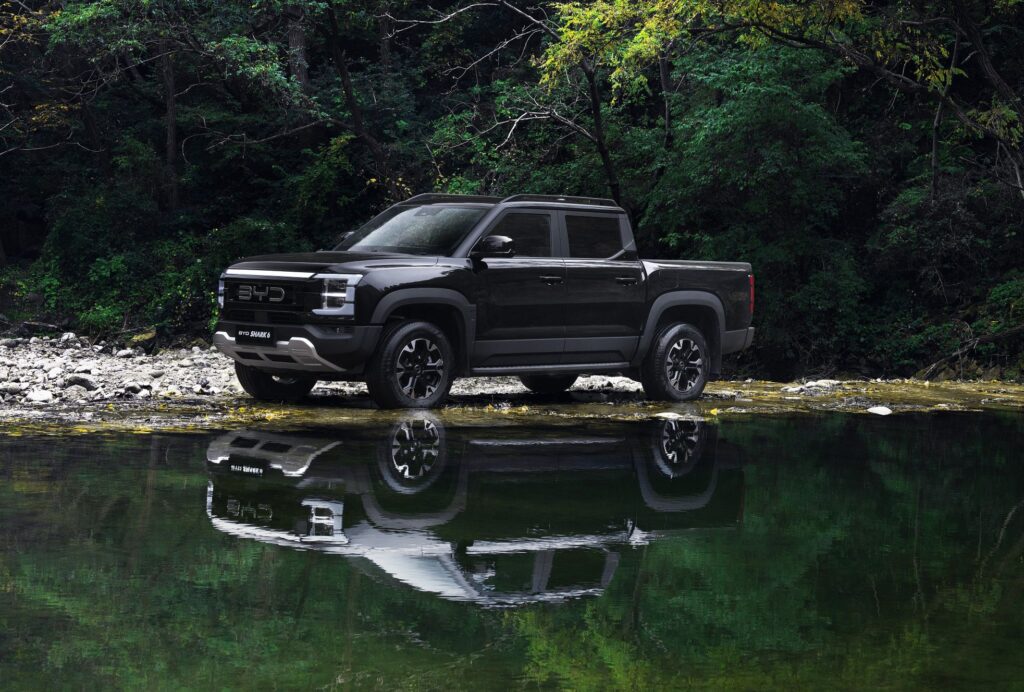
The BYD Shark 6 arrived in 2025 as South Africa’s first plug-in hybrid double cab, and 2026 is expected to build on that momentum. Expanded derivative options are likely, broadening its appeal across different buyer types and reinforcing the idea that electrified powertrains are no longer outsiders in a segment long dominated by diesel.
Brands like Nissan, with the Navara, and Peugeot, with the Landtrek, continue to play important supporting roles. They may not dominate sales charts, but steady updates, special editions and competitive pricing keep them firmly in the conversation for buyers looking beyond the usual big three.
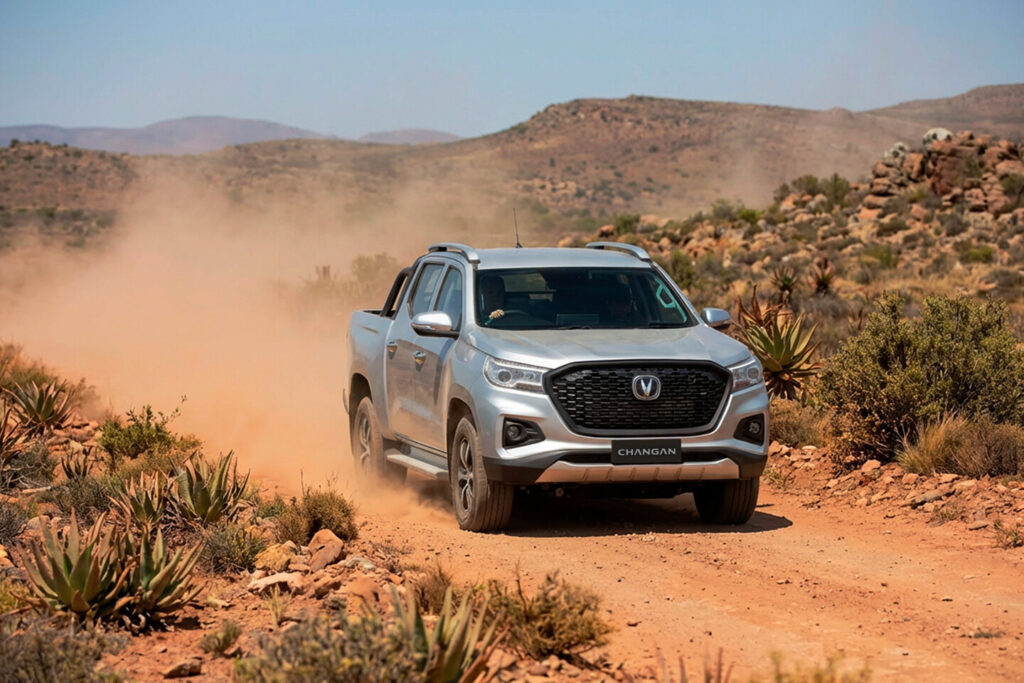
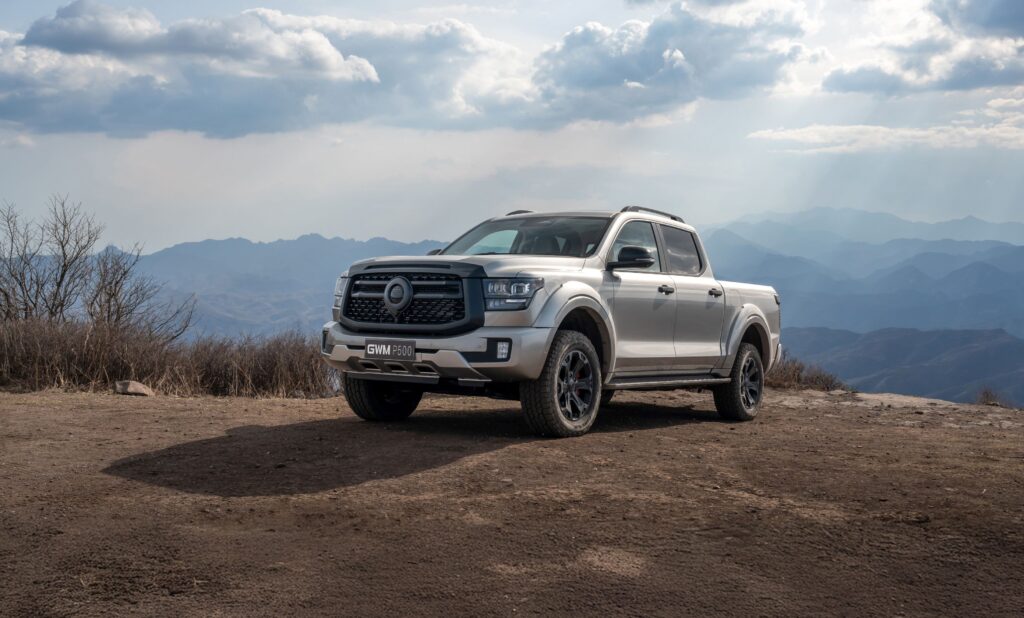
Chinese manufacturers remain a major force in the numbers game. GWM has firmly established itself with the P-Series, steadily expanding its derivative spread and sharpening its value proposition. Alongside it, Foton and JAC continue to offer a wide selection of double-cab options aimed squarely at value-conscious private and fleet buyers, while LDV and Changan are expected to further grow their local footprint with bakkie offerings that lean heavily on specification and price.
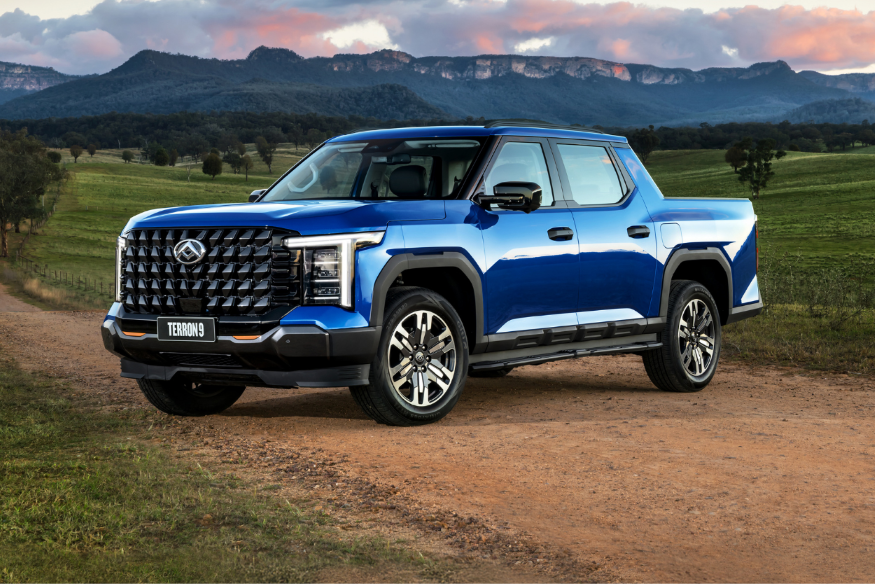
There’s also the possibility of updates to long-standing contenders such as the Mitsubishi Triton. While local timing hasn’t been confirmed, a refreshed or next-generation Triton would add further depth to an already crowded mid-size double-cab field.
Newcomers to look out for in 2026
Perhaps the most interesting developments for the year ahead come from brands new to the double-cab conversation.
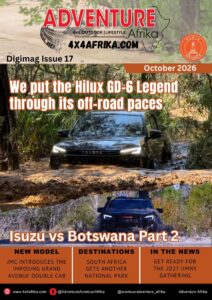
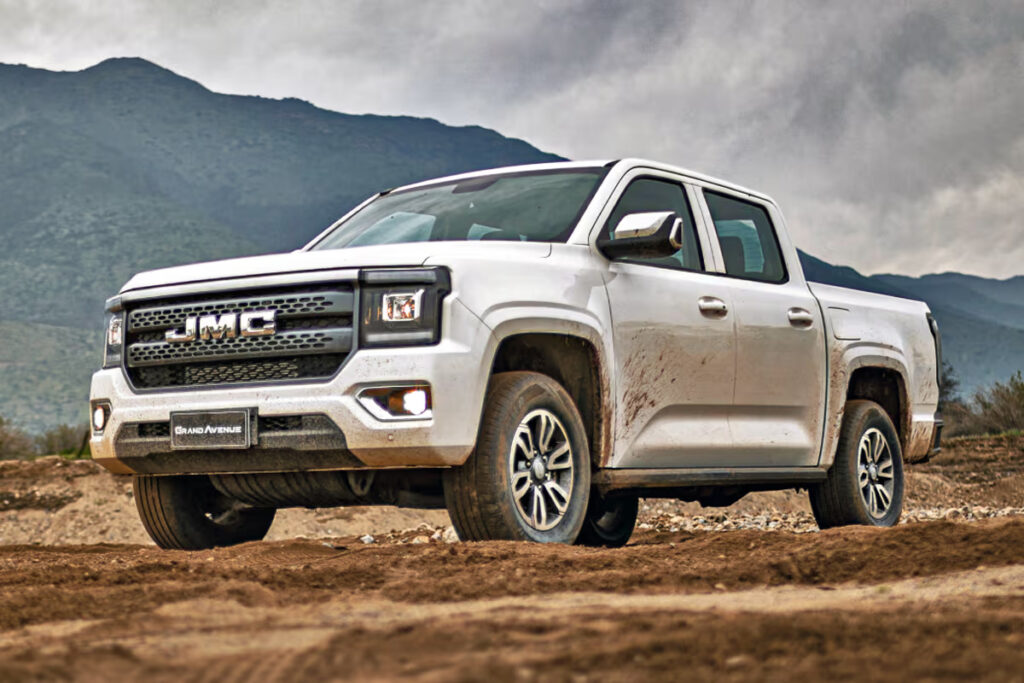
JMC is set to re-establish itself locally with the Grand Avenue, a full-size double cab expected to offer both petrol and turbodiesel power, along with proper 4×4 hardware. If pricing and aftersales support hit the right notes, it could become a credible alternative to more familiar badges.
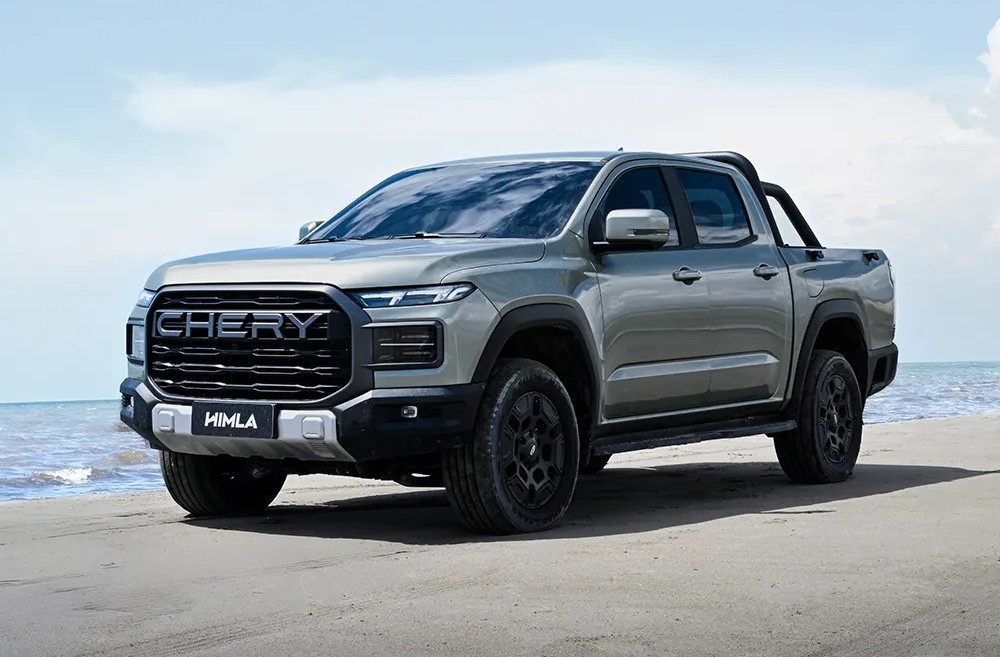
Chery will also enter the fray with the Himla, its first traditional ladder-frame double cab. Chery’s ambitions are clear – this isn’t just a budget play, but a direct challenge to established players, with further pickup concepts already being explored behind the scenes.
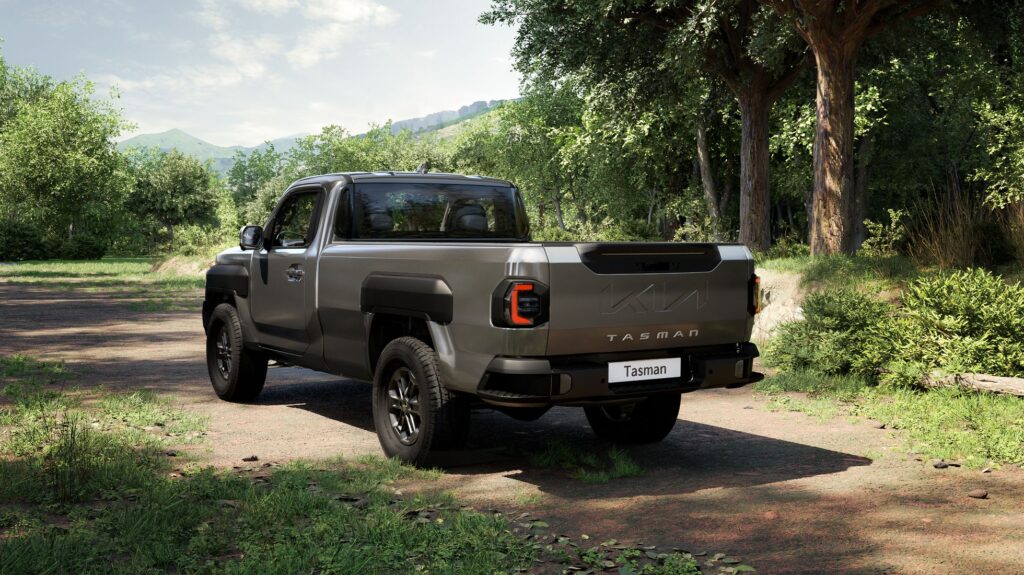
Kia is also stepping into bakkie territory with the Tasman. Kia’s first pickup has been developed specifically for global markets like ours, blending ladder-frame toughness with family-friendly comfort. For a brand with a strong local reputation in passenger vehicles, this is a bold and potentially disruptive move.
As more manufacturers confirm launch timelines and specifications over the course of 2026, this list is likely to grow even further.
The bigger picture
Taken together, these developments point to 2026 shaping up as one of the most dynamic years the South African double-cab market has seen in a long time. New generations, strategic refreshes, electrified options and genuine newcomers are all converging at once. For buyers, that means more choice and sharper competition. For the market as a whole, it confirms one thing beyond doubt: the double-cab bakkie remains the most important – and most hotly contested – vehicle segment in the country.