Hidden within the vast Bangweulu ecosystem of northern Zambia, Isangano National Park remains one of the country’s least-visited protected areas. Covering approximately 840 km², this remote reserve consists of floodplains, swamp forests, miombo woodlands, and grassy wetlands that support an astonishing diversity of birdlife and aquatic species. Established in 1972, the park forms part of the upper Congo Basin and lies between the Chambeshi River and the Bangweulu Flats.
Unlike South Luangwa or Kafue, Isangano has never developed extensive tourism infrastructure. Years of underfunding, poaching, and illegal settlements caused wildlife numbers to decline dramatically, although conservation efforts have been underway since 2007 to restore the park and protect its wetlands.
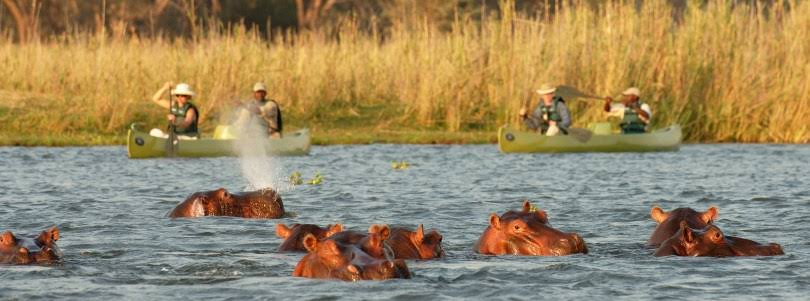
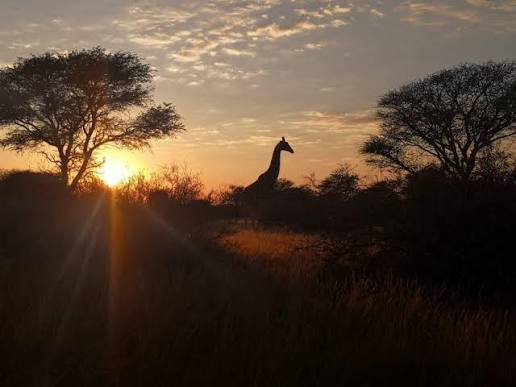
For adventurous overlanders, birders, and travellers seeking solitude, Isangano offers something increasingly rare in Africa-a genuine wilderness without crowds. The park’s seasonal floodplains attract black lechwe, sitatunga, reedbuck, oribi, buffalo, hippo, and crocodiles, while birdwatchers may be rewarded with sightings of the legendary Shoebill Stork, Wattled Crane, Saddle-billed Stork, and numerous migratory species.
This is not a destination for luxury safari lodges or easy game drives. Roads are few, facilities are almost nonexistent, and visitors must be entirely self-sufficient. But for those willing to venture off the beaten path, Isangano offers one of Zambia’s last untouched wetland experiences.

Frequently Asked Questions
1. Is a 4×4 required for Isangano National Park?
Yes. A high-clearance 4×4 is strongly recommended. Many tracks are unmaintained and seasonal flooding can make access extremely difficult.
2. When is the best time to visit?
The dry season from May to October provides the easiest access and best opportunities for wildlife viewing. June to July is particularly good for observing black lechwe and other grazers, while May to August offers the best chance of spotting the rare Shoebill Stork.
3. Is the park accessible during the rainy season?
From November to April, heavy rains and flooding make driving extremely difficult. Game drives become nearly impossible, although canoeing and birdwatching can be exceptional during this period.
4. Where can I pay entrance fees?
Entrance fees are handled through Zambia’s Department of National Parks and Wildlife (DNPW). Travellers should verify current arrangements before departure.
5. Are there campsites or lodges inside the park?
No developed accommodation exists inside the park. Visitors must be completely self-sufficient and should carry all supplies, fuel, food, and camping equipment.
6. Can I see the Big Five?
No. Wildlife densities remain relatively low due to decades of underfunding and poaching. However, visitors may encounter buffalo, hippo, crocodiles, sitatunga, black lechwe, reedbuck, and numerous smaller mammals.
7. Is Isangano suitable for first-time safari visitors?
Not really. Its remoteness and lack of infrastructure make it better suited to experienced overlanders and adventurous travellers.
8. Why is Isangano famous among birdwatchers?
The Bangweulu ecosystem is one of Africa’s premier birding destinations. More than 300 species have been recorded, including the Shoebill Stork, Wattled Crane, African Fish Eagle, Pelicans, Flamingos, and Saddle-billed Storks.
9. Is malaria a concern?
Yes. Northern Zambia is a malaria-risk area, and visitors should consult their doctor regarding prophylactics and use insect repellent and mosquito nets.
10. How do I get there?
The park lies in northern Zambia near the Bangweulu wetlands and can be accessed from the Mpika-Mpulungu road near Chambeshi. Due to poor roads and seasonal flooding, a well-equipped 4×4 and local knowledge are strongly advised.
Accommodation & Rates (2026 Estimates)
Rates are in Zambian Kwacha (ZMW).
| Accommodation | Type | Rate (Estimated) | Notes |
|---|---|---|---|
| Park Entrance (Foreign) | Entry Fee | ZMW 500.00 | Per person, per day |
| Park Entrance (SADC) | Entry Fee | ZMW 250.00 | Per person, per day |
| Wild Camping | Camping | ZMW 300.00 | Self-sufficient camping |
| Mobile Expedition Camps | Camping | ZMW 450.00 | Fully equipped private safari camps |
| Bangweulu Wetlands Lodges | Lodge | ZMW 1,500.00+ pp | Outside the park |
| Kasama Guesthouses | Hotel | ZMW 800.00+ pp | Good stopover option |
Contact Details
Department of National Parks and Wildlife (DNPW)
☎ +260 211 251 347
Zambia Tourism Agency
☎ +260 211 229 087