Seven seats and SUV-inspired style
There’s something quite refreshing about a vehicle that doesn’t try too hard to be something it’s not. The all-new Mitsubishi Destinator doesn’t pretend to be a hardcore off-roader or a luxury flagship. Instead, it focuses on what South African families actually need: space, versatility and comfort, wrapped in a package that looks far more adventurous than your typical people mover.
And let’s be honest, “MPV” isn’t exactly a term that gets the pulse racing. That’s where the Destinator quietly changes the narrative.
SUV looks, MPV thinking

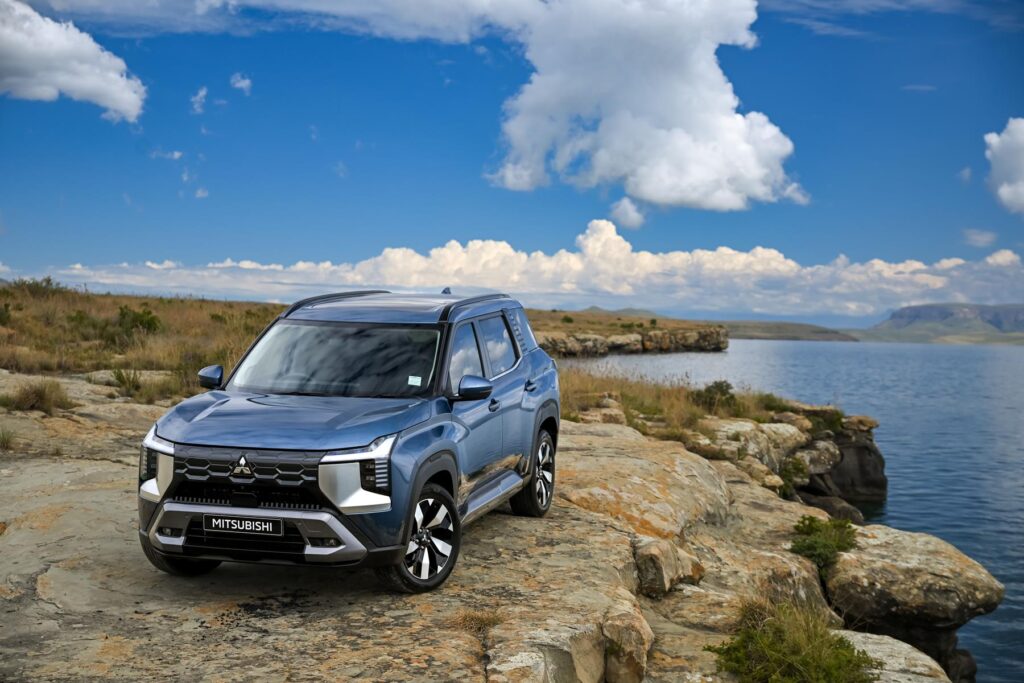
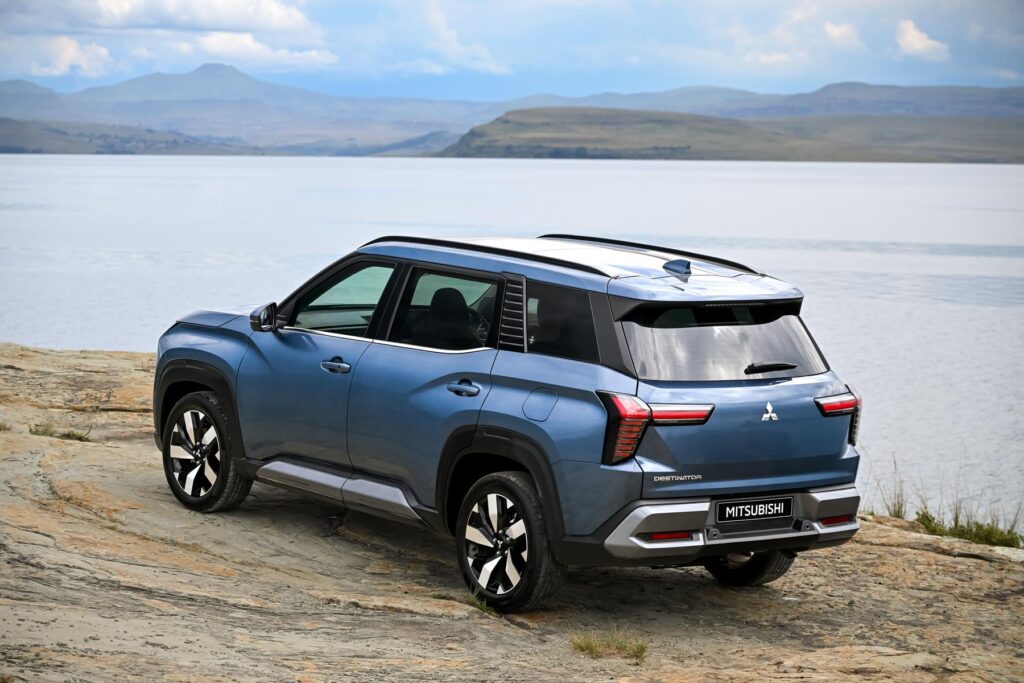
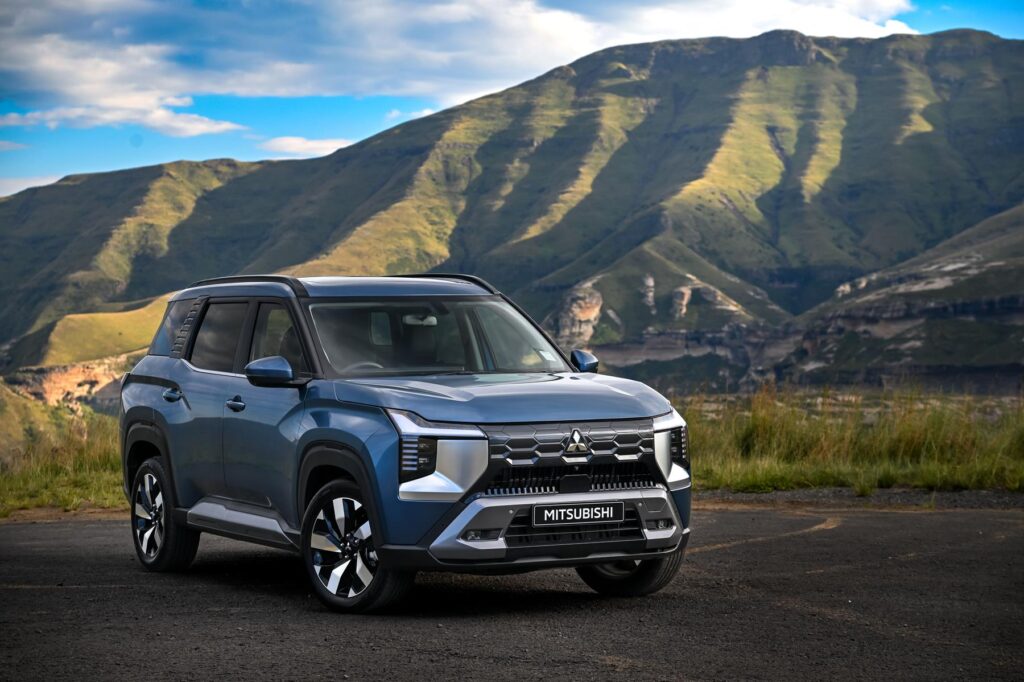
At first glance, the Destinator presents itself with a confident SUV stance, and it does so without looking overstyled or forced. The bold front end, shaped by Mitsubishi’s familiar Dynamic Shield design language, gives it a recognisable identity, while the sculpted bodywork and 18-inch alloy wheels add just enough visual appeal.
There’s also a clear family resemblance to other models in Mitsubishi’s range, which helps it feel immediately familiar rather than experimental. Buyers who already trust the brand will appreciate that continuity.
Spend a bit more time around the vehicle and its purpose becomes clear. The proportions and overall packaging point to a design that prioritises people and practicality above all else. It blends SUV styling with MPV sensibility in a way that feels well judged, offering the best of both worlds without trying to be overly clever about it.
Built for real-world family life
Inside, the Destinator quickly proves that it has been designed with real families in mind, not just brochure headlines. Seven seats are arranged across three rows, and the flexibility offered by the 40:20:40 split second row and 50:50 split third row means you can configure the space to suit just about any scenario.
Whether it’s school runs, weekend sports or packing for a holiday, the cabin adapts without fuss. That sense of practicality is reinforced by the inclusion of 25 storage compartments, which should go a long way towards keeping everyday clutter under control.
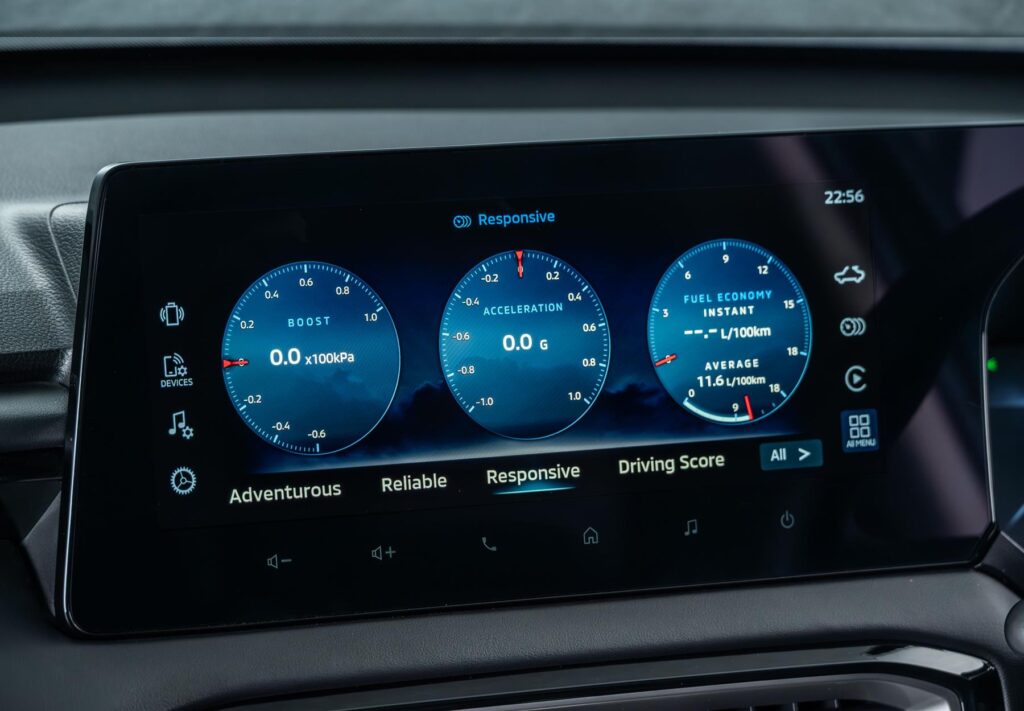
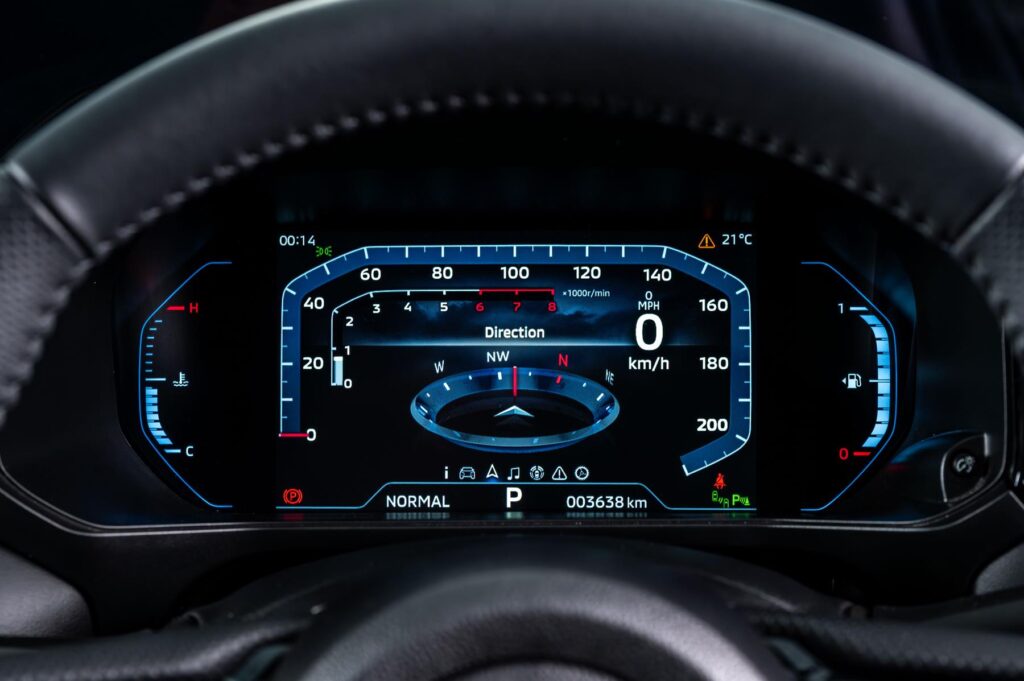
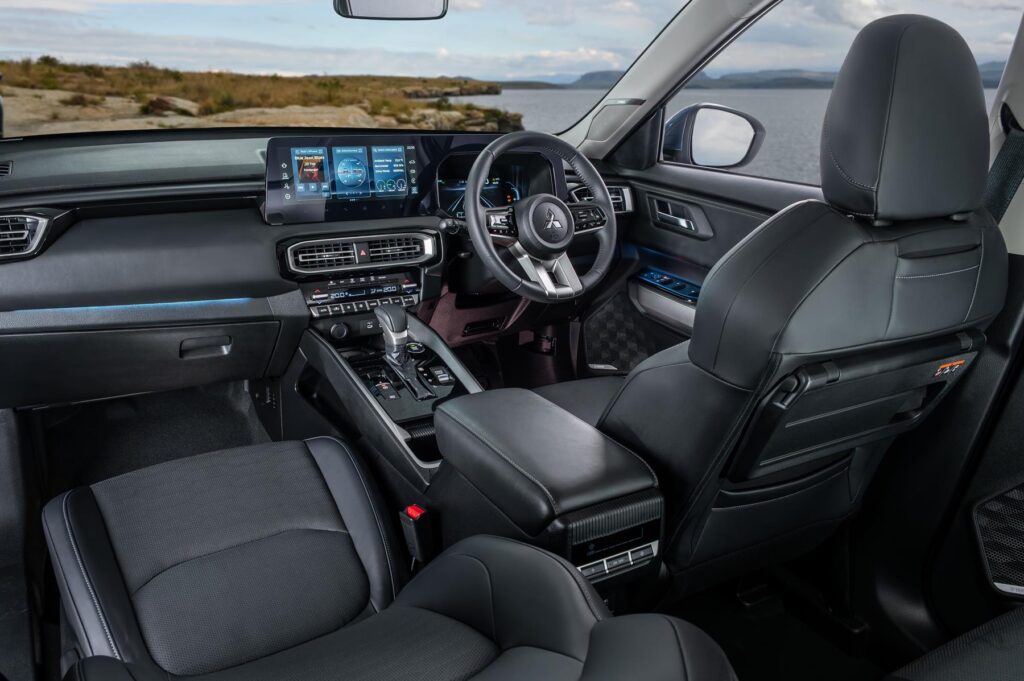
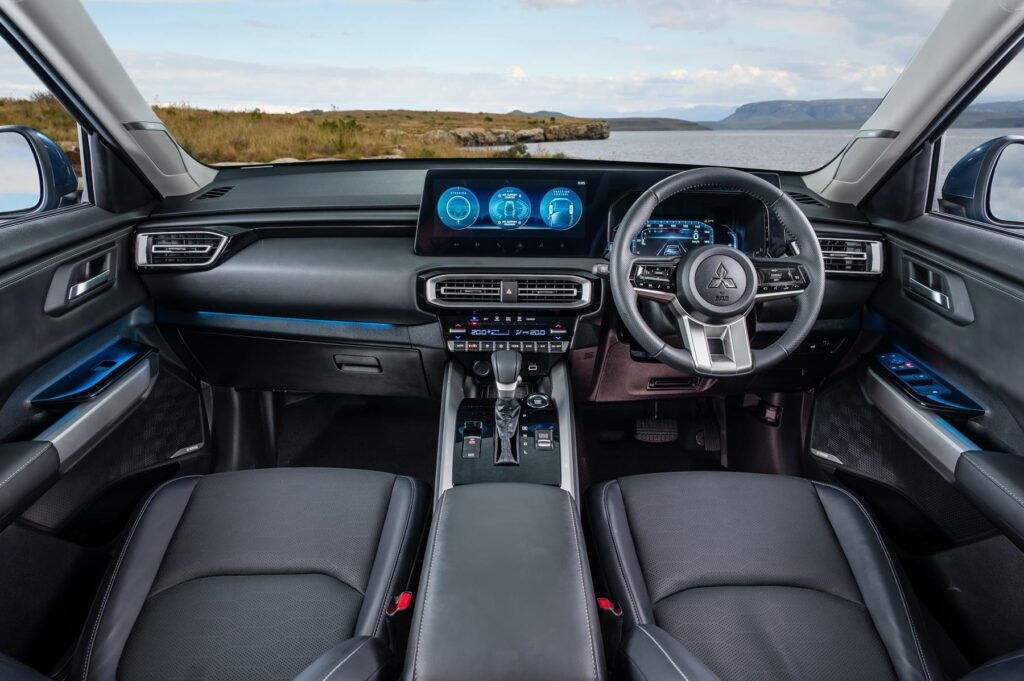
The interior layout is modern and easy to navigate, particularly in higher-spec models where a 12.3-inch infotainment system is paired with an eight-inch digital driver display. The result is a clean, integrated setup that presents information clearly without overwhelming the driver.
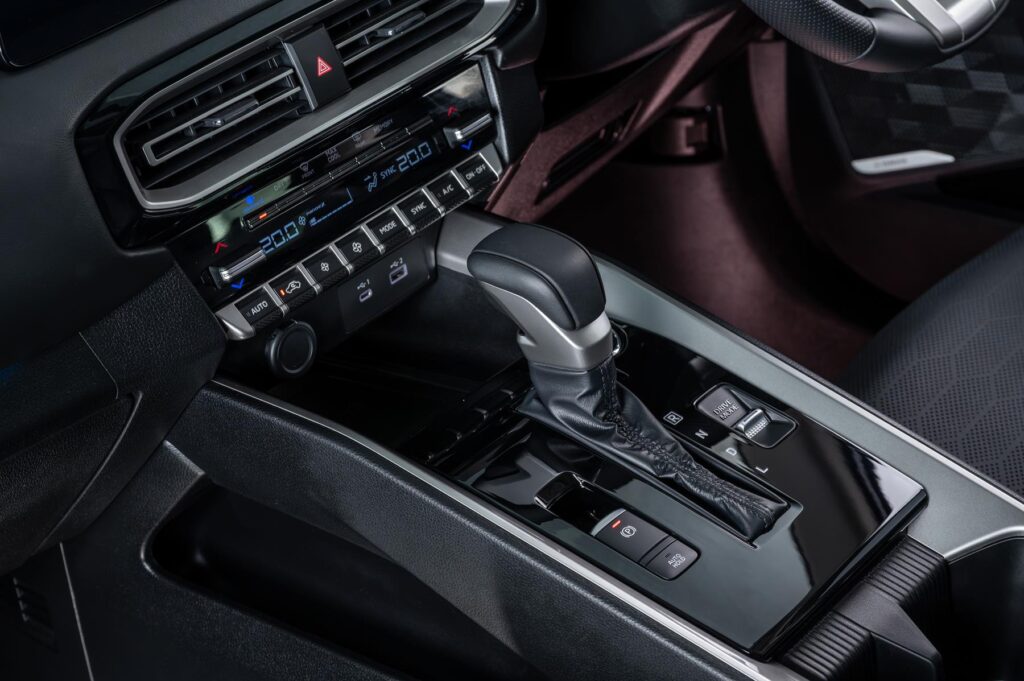
Comfort is another strong point. Dual-zone climate control, a panoramic sunroof and ambient lighting all contribute to a pleasant cabin environment, while thoughtful additions such as a seatback table and wireless charging enhance day-to-day usability. The Yamaha premium sound system fitted to Exceed models rounds things off nicely for those who enjoy a good playlist on the road.
Performance that fits the brief
Power comes from a 1.5-litre turbocharged petrol engine producing 120kW and 250Nm, which is more than adequate for the Destinator’s intended role. It’s not about outright performance, but rather about delivering smooth, predictable power in everyday driving conditions.
The continuously variable transmission deserves a mention here, as it has been particularly well calibrated. It avoids the typical CVT whine that often plagues this type of gearbox, instead offering a more natural driving feel that suits the vehicle’s character.
Fuel consumption is rated at 7.2 litres/100km, which is respectable for a seven-seater, and the 45-litre fuel tank should provide a decent touring range. For those who like to tow the odd trailer or bring along extra gear, the Destinator offers a towing capacity of 750kg, adding another layer of practicality to the package.
More capable than you might expect
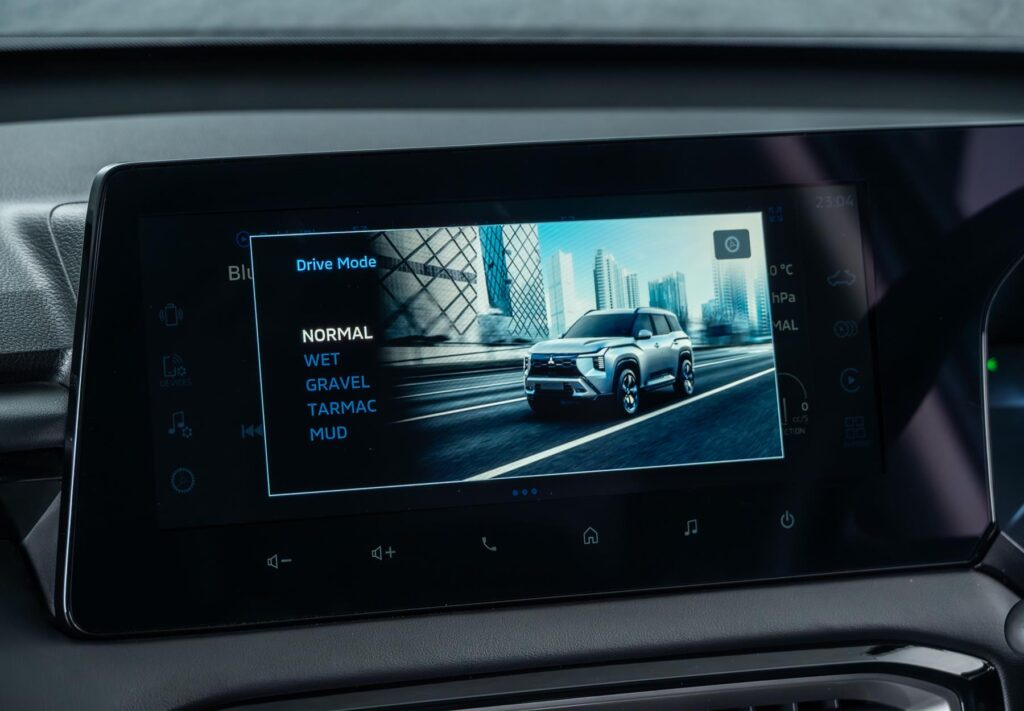
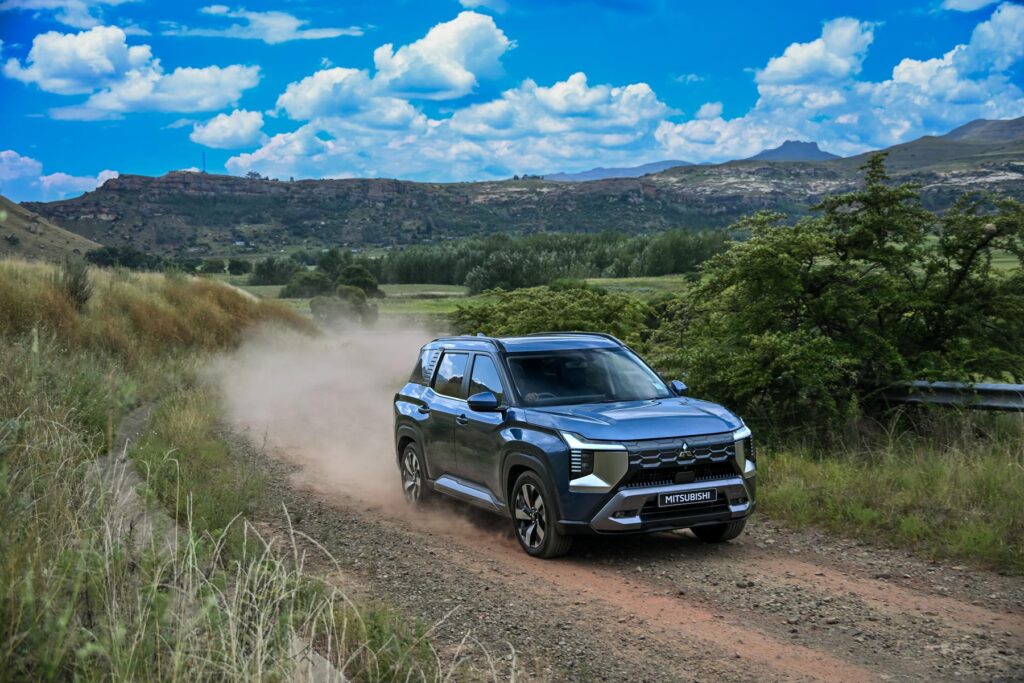
Although the Destinator is not equipped with four-wheel drive, it is far from limited to perfectly maintained tar roads. Mitsubishi has included five selectable driving modes, namely Normal, Wet, Gravel, Mud and Tarmac, which allow the vehicle to adapt its behaviour to different conditions.
This makes a noticeable difference when driving on gravel or in wet weather, where traction and stability become more important. The system has clearly been tuned with real-world conditions in mind, rather than just ticking a specification box.
Ground clearance of 214mm further enhances its usability, giving it the ability to deal with uneven surfaces and the occasional rough patch without drama. Combined with a suspension setup that favours comfort and stability, the Destinator should feel composed on both urban roads and longer trips out of town.
Safety and peace of mind
Families will also appreciate the level of safety on offer, as the Destinator comes equipped with a comprehensive range of active and passive safety systems. Six airbags are fitted as standard, along with a suite of driver assistance features designed to reduce stress and improve awareness.
Features such as Blind Spot Warning, Rear Cross Traffic Alert and a multi-around view monitor on higher-spec models add useful layers of reassurance, particularly in busy traffic or tight parking situations.
The five-star ASEAN NCAP safety rating further reinforces the vehicle’s credentials, indicating a strong overall performance in independent safety testing.
The bottom line
What stands out about the Mitsubishi Destinator is how well it understands its purpose. Rather than trying to be everything to everyone, it focuses on delivering a practical, comfortable and versatile solution for families who need space and flexibility.
The SUV-inspired styling gives it the visual appeal many buyers want, while the interior and driving experience remain firmly rooted in usability. It is this balance that makes the Destinator feel relevant in a market where buyers are often forced to compromise.
For families looking for a capable seven-seater that can handle daily life with ease and still manage the occasional getaway, the Destinator presents a very sensible option.

Model line-up and pricing
- Mitsubishi Destinator GLS: R489 990
- Mitsubishi Destinator Exceed: R569 990
*Pricing includes a 5-year/unlimited mileage warranty and a 5-year/75 000km service plan. Service intervals are scheduled for every 15 000km or 12 months.